This weekly roundup brings you some key climate change stories from the past seven days.
Top stories this week: The economic impacts of heatwaves; Biodiversity's economic potential in South-East Asia; Indigenous solutions to wildfires; Data centres and the circular economy; Californian cost of wildfires.
1. The impact of heatwaves on the economy
Global warming is causing heatwaves to become increasingly common around the world, with Australia recording its hottest day earlier this year with a temperature of 50.7C on its western coast, while the UK did the same just this week.
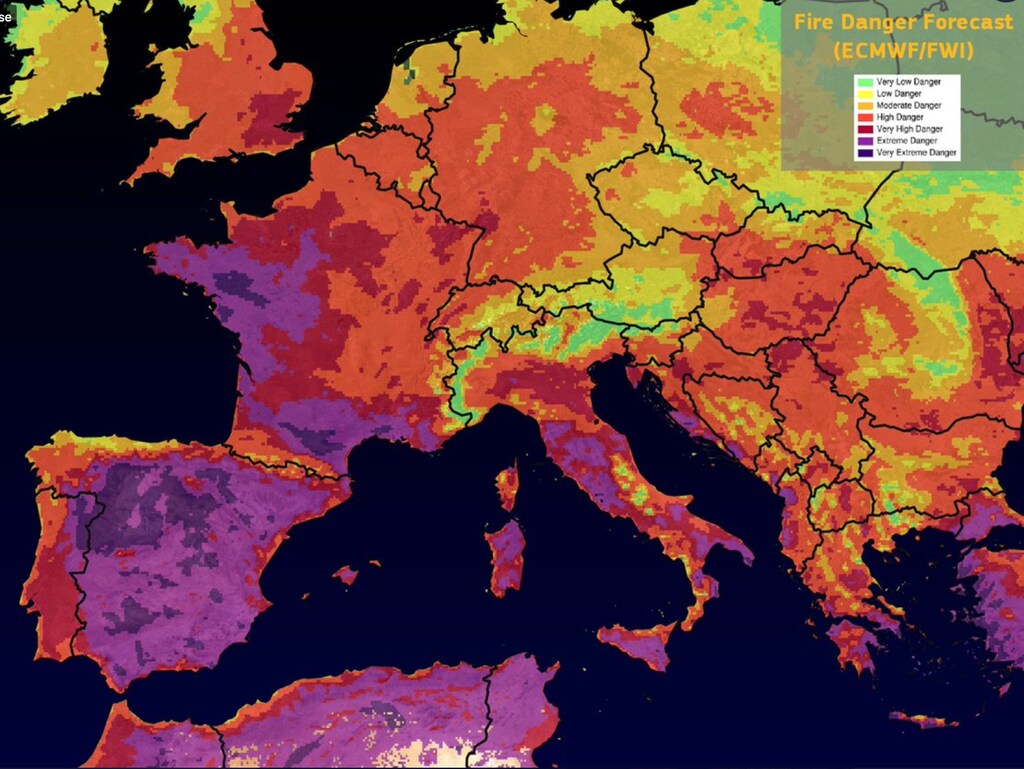
Outside of the health risks to humans, heatwaves can also hurt economies. The International Labour Organization predicts that by 2030, heatwaves could reduce the number of hours worked globally by more than 2%. This translates to a cost of $2.4 trillion to the global economy.
Read more on how heatwaves have an economic impact on the world.
2. How South-East Asia can generate $2 trillion a year by protecting nature
A new study from the Academy of Sciences Malaysia finds that a $10 billion investment in the region's forests and seas today - rising to $46 billion by 2030 - could result in benefits equivalent to $2.19 trillion a year.
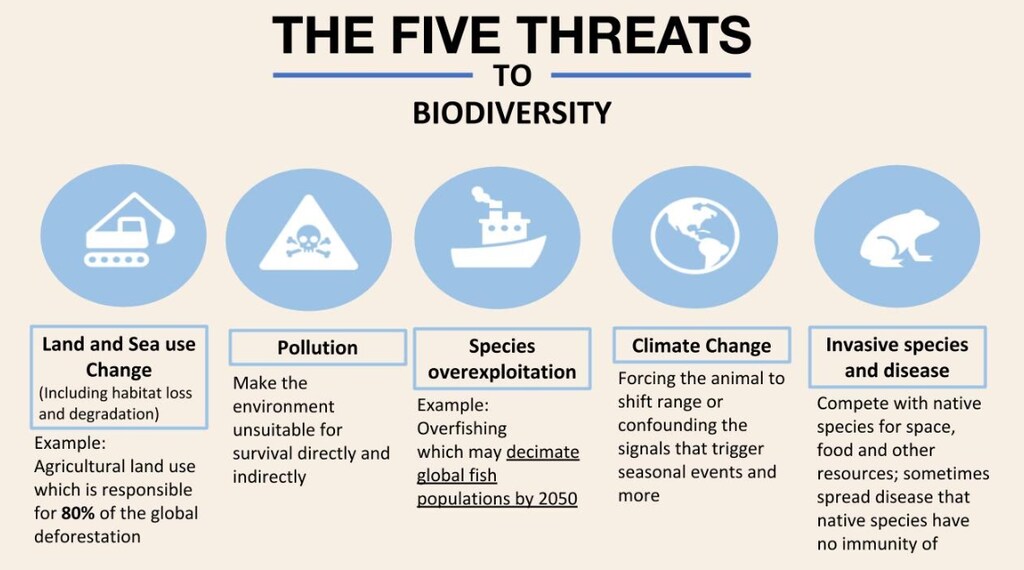
This study comes in time for COP15 – the United Nations Convention on Biological Diversity – which aims to set international targets for preserving biodiversity.
South-East Asia has the potential to be a global role model when it comes to achieving prosperity through conservation. Read more here.
3. Australian fires: How indigenous methods can offer climate solutions
Climate change is driving weather patterns that are causing frequent bushfires, floods and droughts across Australia. Aboriginal burning techniques could help mitigate the risks that bushfires pose to the nation by protecting the biodiversity of Australian forests.
Indigenous knowledge has also illuminated the role of some species of birds in spreading fires. The birds pick up burning branches and drop them in unburned areas to hunt prey.
Explore how Indigenous methods can help inform fire management in Australia and the world.
What is the World Economic Forum doing on natural climate solutions?
The world faces converging environmental crises: the accelerating destruction of nature, and climate change.
Natural climate solutions (NCS) – investment in conservation and land management programmes that increase carbon storage and reduce carbon emissions – offer an important way of addressing both crises and generate additional environmental and social benefits.
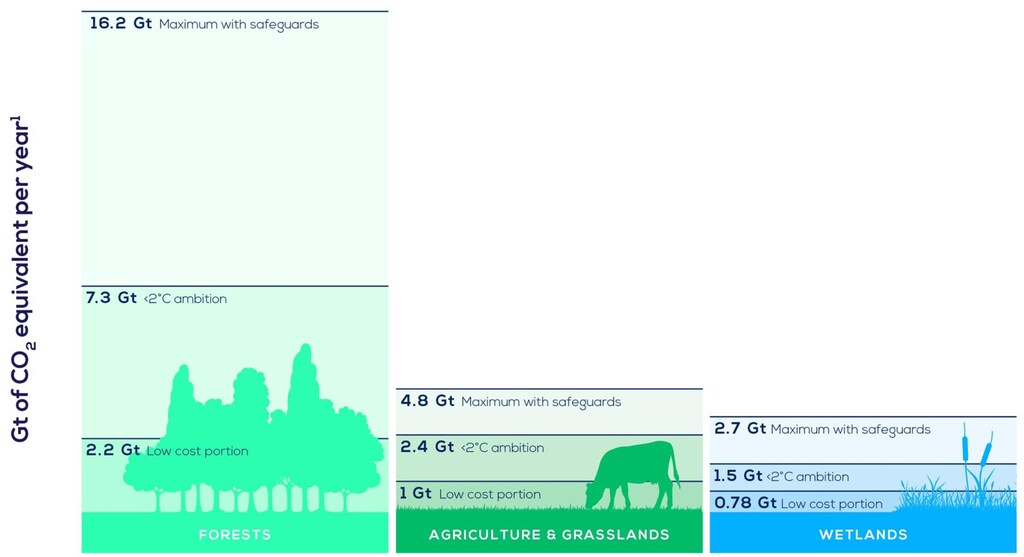
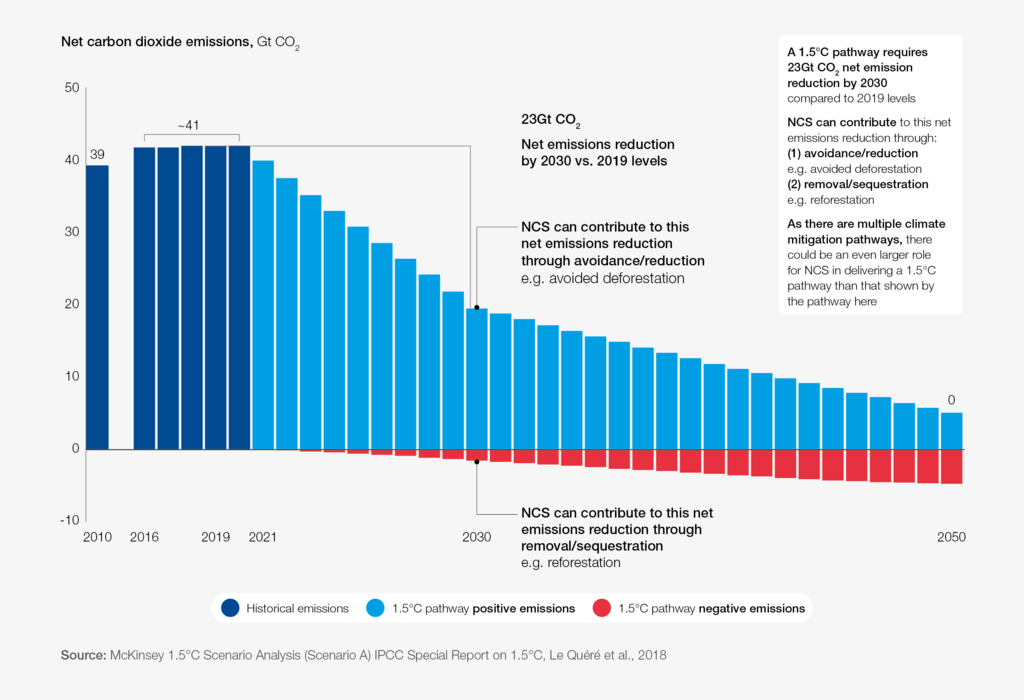
Research conducted for the Forum’s Nature and Net Zero report confirms estimates that NCS can provide one-third of the climate mitigation to reach a 1.5° and 2° pathway by 2030—and at a lower cost than other forms of carbon dioxide removal. This report builds on the recommendations from the Taskforce for Scaling Voluntary Carbon Markets, and identifies six actions to accelerate the scale-up of high-quality NCS and unlock markets through the combined efforts of business leaders, policymakers and civil society.
To foster collaboration, in 2019 the Forum and the World Business Council for Sustainable Development came together to establish the Natural Climate Solutions Alliance to convene public and private stakeholders with the purpose of identifying opportunities and barriers to investment into NCS.
NCS Alliance member organizations provided expert input to develop the Natural Climate Solutions for Corporates, a high-level guide to the credible use of NCS credits by businesses.
Get in touch to join our mission to unleash the power of nature.
4. How data centres can join the circular economy to become greener
Edge-computing investments are expected to grow 15% year on year in 2022, with the energy demands on data centres only set to increase. As a result, businesses need to look to the circular economy to become more sustainable.
The design life of a data centre is only 10-15 years, according to experts.

Learn how data centres can transform into a circular economy and become more sustainable.
5. California’s wildfires are causing more and more damage
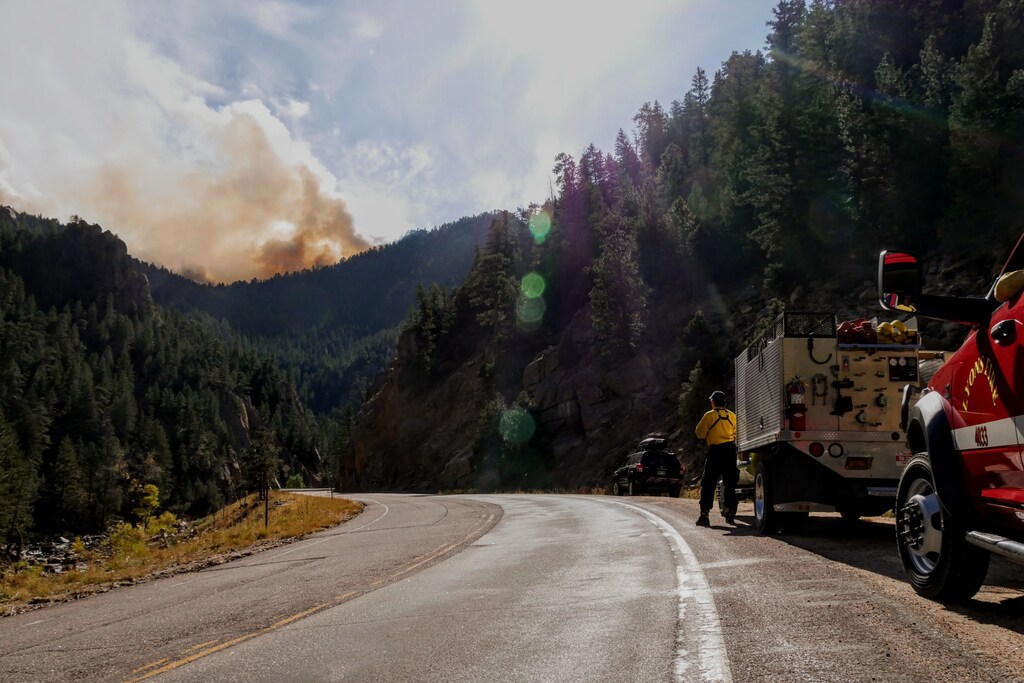
Every year, the amount of land scorched by wildfires in California increases, with the annual cost of mitigation up from $61 million in the 1990s to more than $400 million in the 2010s.
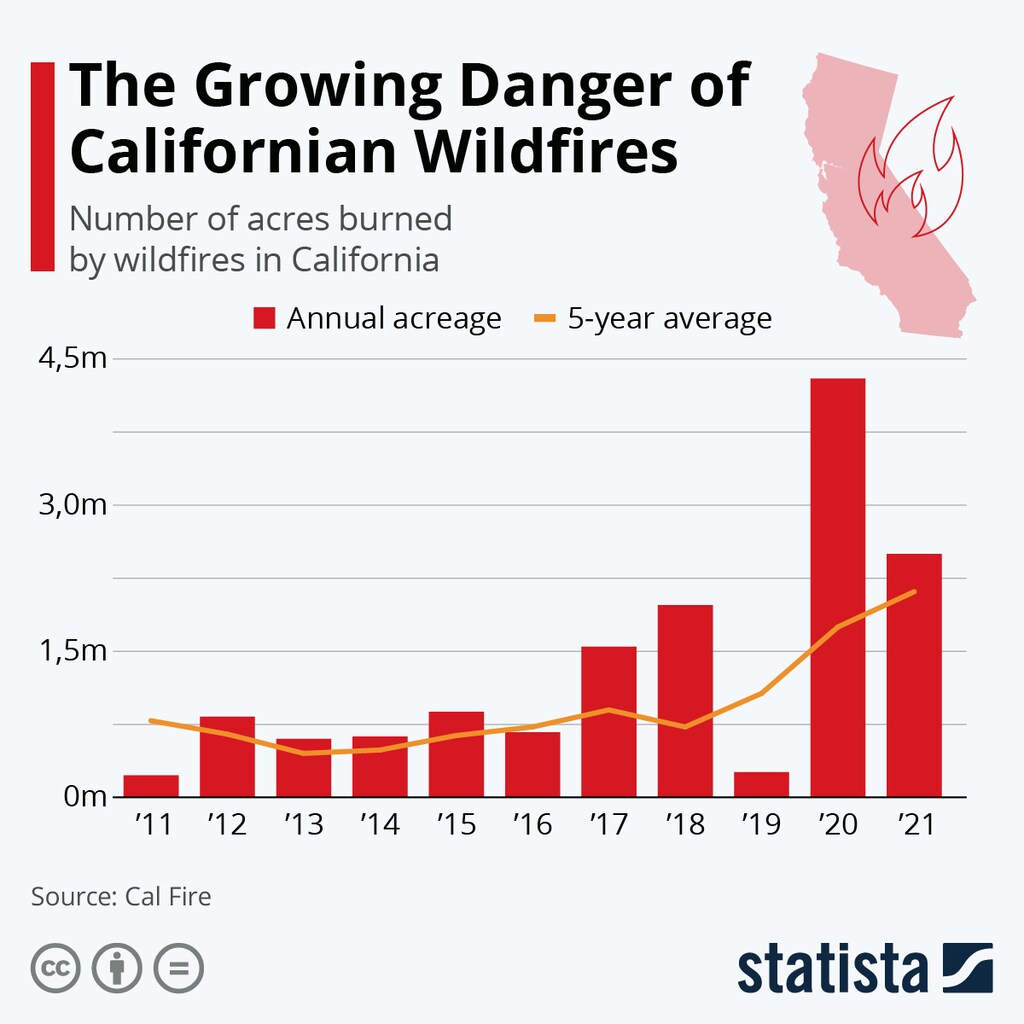
The Washburn Fire has burned at least 1,591 acres of land since 7 July, forcing 1,600 people to evacuate from the area as it heads towards Yosemite National Park’s ancient giant sequoias.
Read more on the impact of Californian wildfires over recent years.