The closure and transformation of a large coal-fired power plant in Victoria, Australia, offers lessons about the complexity of the energy transition and the importance of balancing environmental, economic and community outcomes when redeveloping legacy assets.
Hazelwood was once one of Australia's most significant energy assets. Built progressively from the 1960s, the coal-fired power station eventually comprised eight generating units capable of producing 1,600 megawatts (MW) of electricity. It was supported by a vast coal mine spanning more than 1,200 hectares of a 4,000-hectare site.
Together, the mine and power station became central to the economic and social fabric of the Latrobe Valley in the state of Victoria in Australia. The plant powered Victoria’s economic growth and energy security for more than 50 years, supplying up to 25% of the state's electricity at its peak and employing generations of workers.
But like many coal-fired generators around the world, in recent years Hazelwood was at the centre of debates about climate policy, carbon emissions and the long-term future of fossil fuel energy. The power station and mine closed in 2017. Today, the site is being transformed to become a platform for the next generation of energy infrastructure.
The story of Hazelwood is not simply about the closure of a coal-fired power station, it's about how a site that once fuelled Victoria's prosperity is being reshaped for a low-carbon future. This journey from generation to demolition, and rehabilitation to redevelopment, offers lessons about the complexity of the energy transition and the importance of balancing environmental, economic and community outcomes.
Closure, community impact and a changing energy system
For many years, environmental organizations campaigned for the retirement of Hazelwood, arguing that Australia's ageing coal fleet needed to be replaced with lower-emission alternatives. Growing climate commitments, changing market conditions and the falling cost of renewable energy intensified those debates.
The plant owner, ENGIE, announced the closure of Hazelwood in 2016. After more than 50 years, the plant was working beyond its design life and it would have required hundreds of millions of dollars in upgrades to continue operating safely. More generally, ENGIE had committed to exiting its interests in coal generation worldwide, viewing the environmental, social and economic costs of coal as too high.
Thousands of workers, contractors and businesses were connected to the power station and mine. While ENGIE worked together with governments on a worker redeployment program, placing almost 100 workers with neighbouring power stations, the impact of closure created profound social and economic challenges in the region.
While Hazelwood’s closure tightened electricity supply and contributed to upward pressure on wholesale prices, it was one of several factors driving price volatility across the market at this time. Nevertheless, Hazelwood’s closure became highly politicized and increasingly synonymous with rising power prices and concerns over system security.
At the same time, redeveloping the site presented a unique technical challenge. The former mine, cooling ponds, ash deposits, industrial infrastructure and environmental legacy required a carefully managed, long-term rehabilitation programme capable of delivering a safe, stable, sustainable and non-polluting outcome for future generations.
A mine rehabilitation project
Since closure, ENGIE has commenced the Hazelwood Rehabilitation Project – one of the largest and most complex rehabilitation projects ever undertaken in Australia. The project encompasses demolition, environmental remediation, earthworks, mine rehabilitation and long-term land development.
The objective is to transform the former coal mine into a safe, stable, sustainable and productive landscape. This will involve the creation of a full pit lake, informed by decades of geotechnical and groundwater investigations and consistent with international experience in lignite mine rehabilitation.
Before this rehabilitation, in 2020, the site underwent one of Victoria's largest industrial demolition programmes. This culminated in the controlled explosive felling of eight 137 metre-tall chimney stacks, boiler housings and large mining equipment. These events were completed using best-practice, peer-reviewed safety methods.
Building trust through engagement
Given the scale, visibility and importance of the site, the Hazelwood Rehabilitation Project has required ongoing engagement with local communities, traditional owners, regulators, technical experts, local government, environmental groups and industry stakeholders.
This engagement has been central to the preparation of the project's Environment Effects Statement (EES). The EES process has involved many technical studies and years of detailed scientific analysis to assess environmental, social and economic impacts and inform government decision-making.
This project sits at the intersection of mining regulation, environmental protection, water management, planning controls and community expectations. And it reflects a broader reality for energy transition projects around the world: successful outcomes require engineering excellence, but also robust science, transparent consultation and strong regulatory frameworks.
Lessons from Australia's energy transition
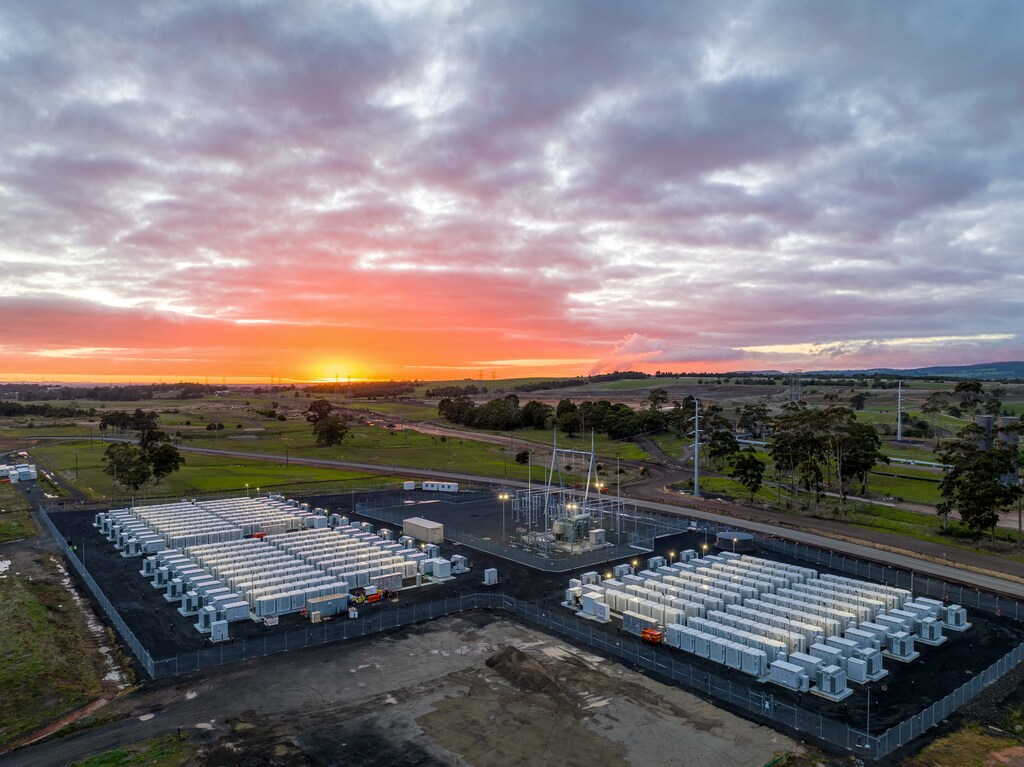
As a result of this rehabilitation project, Hazelwood's future is no longer defined by coal. The site is emerging as a strategic energy hub that can continue supporting Victoria's energy security while enabling decarbonization. The existing grid infrastructure that once exported coal-fired electricity now provides a valuable foundation for new energy technologies, such as the Hazelwood Battery Energy Storage System (HBESS).
As Australia's coal fleet retires, batteries are becoming an essential piece of modern energy infrastructure, providing fast-acting frequency control and grid support services. By responding almost instantly to disturbances on the network, BESS projects help improve system resilience and support the continued growth of renewable energy
The ultimate goal of the rehabilitation project was not to close a chapter, but to create a lasting legacy. The energy transition is about far more than retiring legacy assets. It requires a coordinated approach that balances environmental responsibility, economic opportunity and community outcomes.
Some lessons learned could help other energy transition projects around the world:
The transition away from coal is a multi-decade undertaking
Closure is only the beginning. Rehabilitation, approvals and redevelopment require long-term commitment and investment.
Community trust matters
Large-scale transition projects succeed when local communities are informed, consulted and involved throughout the process.
Strong regulatory frameworks are essential
Complex projects require rigorous environmental assessment and transparent decision-making.
Former fossil fuel assets can create new value
Existing grid connections and industrial land can become foundations for future clean energy investment.
The energy transition is ultimately about renewal
Legacy energy sites can continue contributing to national prosperity in a low-carbon economy.
As Australia accelerates its energy transition, Hazelwood stands as one of the country's most significant examples of how a former coal asset can be responsibly rehabilitated, thoughtfully repurposed and positioned to support the energy system of the future.