Physical, sensory and intellectual disabilities need to be considered in evacuation or other emergency procedures.
Organizations that represent those with disabilities are often excluded from full participation in policy and planning forums on disaster risk management.
A new report on these issues in the Caribbean suggests four ways to change this.
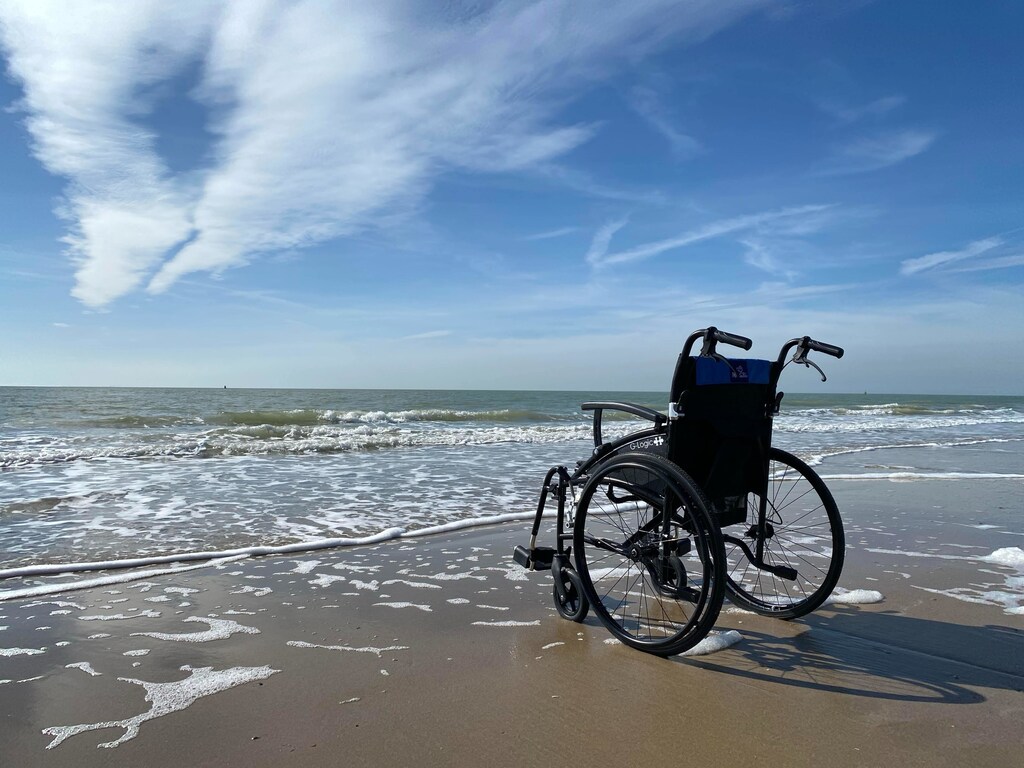
For more than a million people (estimated 15% of the Caribbean population) who have physical, sensory, and intellectual disabilities, disasters are more daunting prospects than usual. Imagine being a wheelchair user and needing to be evacuated during a flood, but there are no wheelchair accessible ramps. Or being deaf and not being able to understand because emergency communications are not translated into sign language. These are the realities for many persons with disabilities. To better respond to these challenges, the unique needs and capacities of persons with disabilities must be better understood, incorporated in planning and translated into tangible outcomes. This can be achieved through meaningful inclusion of persons with disabilities in the decision-making processes.
Unfortunately, those with disabilities, or the organizations that represent them, are often excluded from full participation in policy and planning forums where disaster risk management (DRM) processes and operational practices are established. As a result, planning and agreeing on strategies that will support the needs of persons with disabilities and ensure their safety in times of emergencies are often done on their behalf – FOR them rather than WITH them.
Disabilities and disasters
This is a key finding of a new assessment report “Disability Inclusion in Disaster Risk Management–Assessment in the Caribbean Region”, funded by the Canada-Caribbean Resilience Facility in partnership with the Global Facility for Disaster Reduction and Recovery (GFDRR). The report looks at how disability is currently included in disaster preparedness, response, recovery, and resilience planning and policies at the national level, in the nine Caribbean countries – Antigua and Barbuda, Belize, Dominica, Grenada, Guyana, Jamaica, St. Lucia, St. Vincent and the Grenadines, and Suriname.
But why is this the case? In large part, exclusion stems from stigma that may be rooted in fear or distrust, ignorance (poor understanding), shame, and attitudes toward persons with disabilities that they are helpless. This view shapes the way disability policy is developed and delivered, and how people with disabilities are perceived and valued in their societies.
Encouragingly, we find that disaster risk reduction (DRR) managers and policymakers are well motivated to support disability-inclusive disaster preparedness, response, and recovery planning. All nine countries have laws, policies or constitutional provisions that would support, to some degree, the inclusion of persons with disabilities both in their societies generally and in DRR specifically. However, these policies are often poorly adhered to, and the standards and protocols, particularly those that apply to accessibility for communications, infrastructure, public buildings, and transport networks, are not well applied or enforced. Essential information and meeting venues to engage persons with disabilities are not always accessible, making it difficult for them to fully participate and leaving an impression of being uninvited.
How is the World Economic Forum promoting safer, cleaner and more inclusive transportation systems?
The World Economic Forum’s Platform for Shaping the Future of Mobility works across four industries: aerospace and drones; automotive and new mobility; aviation travel and tourism; and supply chain and transport. It aims to ensure that the future of mobility is safe, clean, and inclusive.
Through the Clean Skies for Tomorrow Coalition, more than 100 companies are working together to power global aviation with 10% sustainable aviation fuel by 2030.
In collaboration with UNICEF, the Forum developed a charter with leading shipping, airlines and logistics to support COVAX in delivering more than 1 billion COVID-19 vaccines to vulnerable communities worldwide.
The Road Freight Zero Project and P4G-Getting to Zero Coalition have led to outcomes demonstrating the rationale, costs and opportunities for accelerating the transition to zero emission freight.
The Medicine from the Sky initiative is using drones to deliver vaccines and medicine to remote areas in India, completing over 300 successful trials.
The Forum’s Target True Zero initiative is working to accelerate the deployment and scaling of zero emission aviation, leveraging electric and hydrogen flight technologies.
In collaboration with the City of Los Angeles, Federal Aviation Administration, and NASA, the Forum developed the Principles of the Urban Sky to help adopt Urban Air Mobility in cities worldwide.
The Forum led the development of the Space Sustainability Rating to incentivize and promote a more safe and sustainable approach to space mission management and debris mitigation in orbit.
The Circular Cars Initiative is informing the automotive circularity policy agenda, following the endorsement from European Commission and Zero Emission Vehicle Transition Council countries, and is now invited to support China’s policy roadmap.
The Moving India network is working with policymakers to advance electric vehicle manufacturing policies, ignite adoption of zero emission road freight vehicles, and finance the transition.
The Urban Mobility Scorecards initiative – led by the Forum’s Global New Mobility Coalition – is bringing together mobility operators and cities to benchmark the transition to sustainable urban mobility systems.
Contact us for more information on how to get involved.
But this can change - the barriers to full inclusion of persons with disabilities in DRM can be removed. Here is what we can do:
1) We improve the data. Governments need to continue to ensure greater availability and accessibility of reliable and suitably disaggregated disability data. At the same time, they need to continue to build and maintain national registries of persons with disabilities that include details of their circumstances, support infrastructure and networks, that can be shared with DRM for planning and operational response purposes.
2) We find ways to understand the needs of those with mental health challenges and intellectual disabilities better and include them in DRR planning.
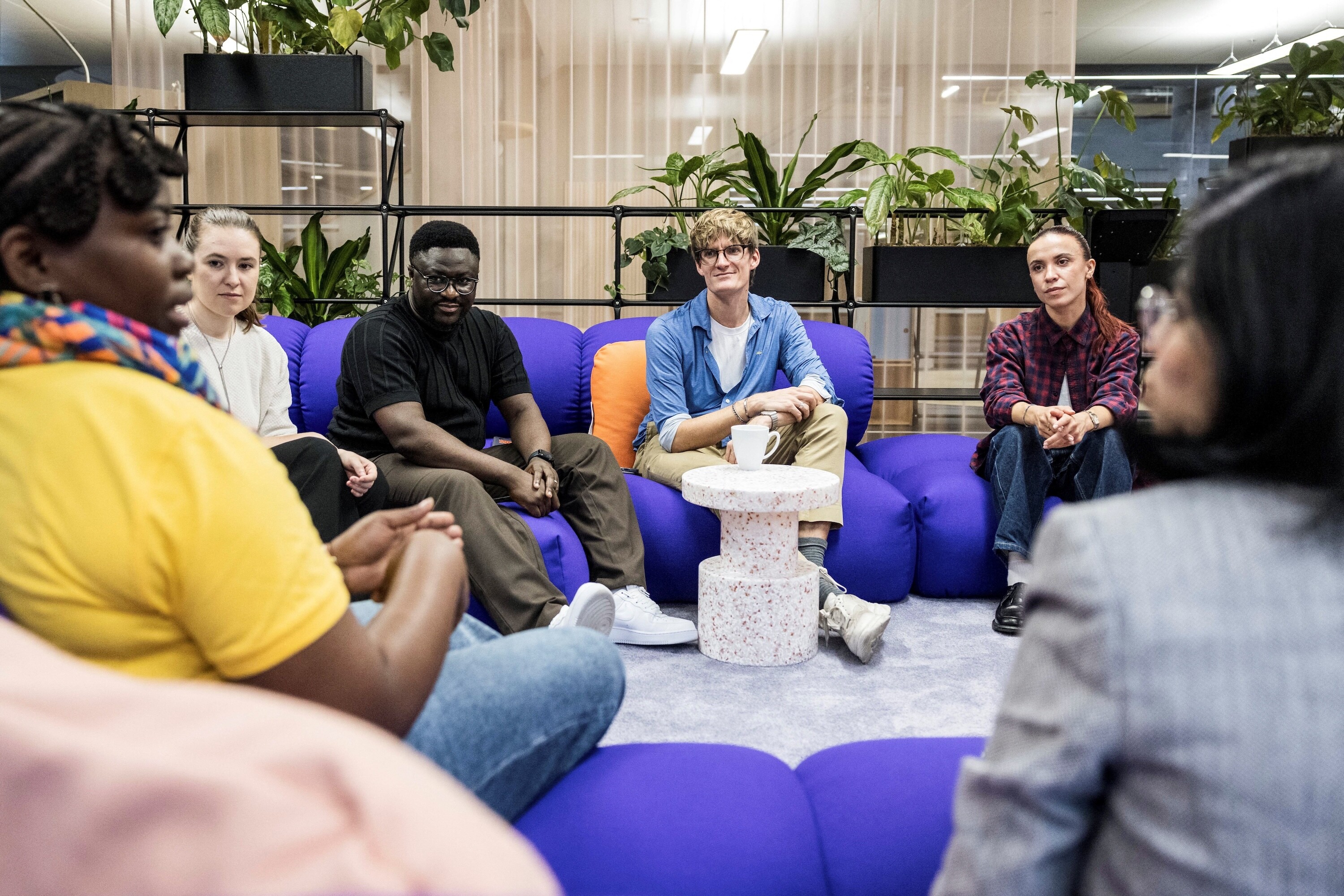
3) We ensure meaningful engagement of persons with disabilities and their representative in all phases of DRM planning through providing welcoming and accessible environments for discussion and providing support for deeper engagement with Organisations of Persons with Disabilities. This may include accommodations like providing sign language interpreters for televised messages; ensuring that there are large-print versions of documents and that they are available in Braille; and providing devices that support voice-to-text and text-to-voice translations.
4) We develop and implement programs that raise public awareness of not only the challenges but also the capacities of persons with disabilities that reduce stigma and attitudes of helplessness.
These recommendations will have an immediate impact in empowering persons with disabilities and changing society’s attitudes towards them. By improving our knowledge and understanding of these marginalized people, we can fully engage with them to improve their access to policy and planning discussions, as well as access to risk information and create an inclusive built environment. This is an opportunity for all of us to build a stronger and more resilient society, which maximizes everyone’s contributions and minimizes future hazard-related losses.