Women live longer than men but spend much more of their lives in poor health. Pain is one of the largest and least addressed drivers of that gap, but a new generation of therapies could help close it and add $1 trillion annually to the global economy.
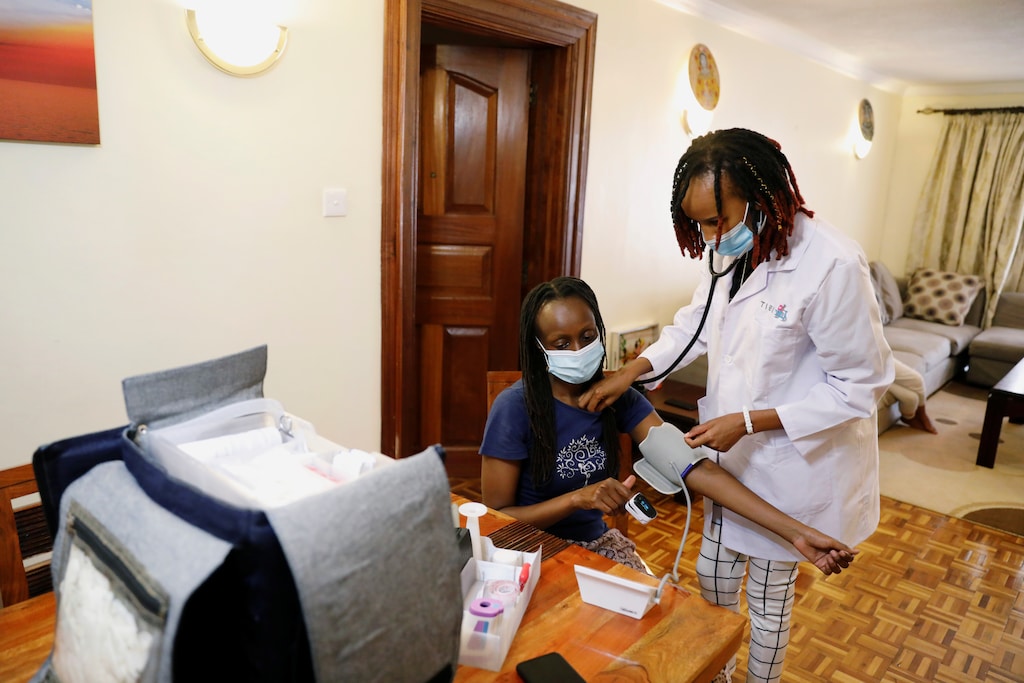
In my clinic, the story arrives in a familiar form. A woman in her forties has seen four physicians in six years. Her pelvic pain has been attributed to stress, to anxiety, to the ordinary burdens of being busy and female. By the time she reaches a pain specialist, she has reorganized her life – her work, her sleep, her family – around a condition that a targeted intervention could have treated years earlier.
This woman is not an outlier. She is the pattern.
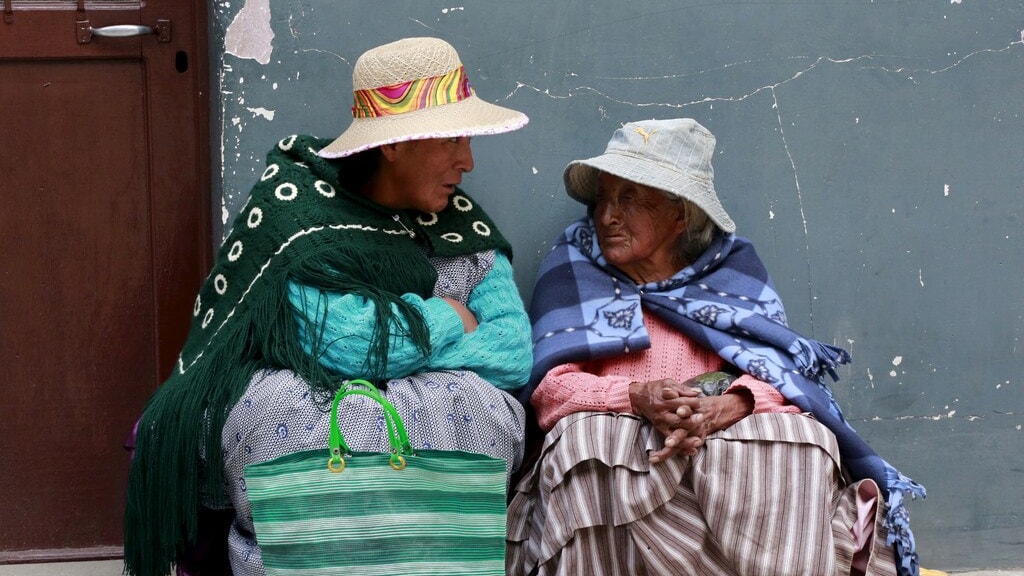
Women live longer than men, but they spend 25% more of their lives in poor health. Pain sits near the centre of that gap. In the US, chronic pain affects nearly a quarter of adults, and its most disabling form, high-impact chronic pain, falls more heavily on women.
Endometriosis alone affects an estimated 1 in 10 women of reproductive age, and the average delay before it is diagnosed runs to about 7 to 10 years. Studies of emergency care have found that women wait about 30 minutes longer than men for treatment of the same pain, and are less likely to be prescribed pain relief.
The message these patients absorb is consistent: their pain is doubted first and investigated later.
Funding for women’s health
This is not only a failure of empathy, it is a failure of innovation – and it follows the money. Less than 9% of US National Institutes of Health grant spending between 2013 and 2023 went to women's health research. Roughly 1% of healthcare research and development funding worldwide addresses female-specific conditions beyond oncology.
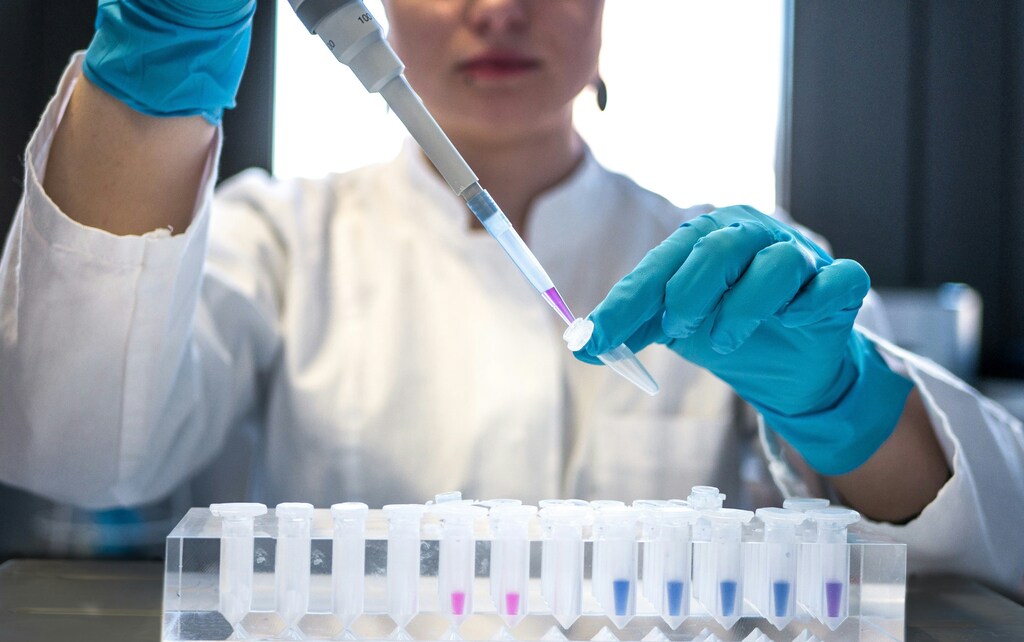
When research is not funded, trials are not run. And when trials are not run, therapies are not developed. For decades, women were underrepresented in the studies that set dosing and endpoints for treatments. Conditions that predominantly affect women – from endometriosis to fibromyalgia to chronic pelvic pain – were also treated as niche concerns rather than the population-scale problems they are.
As a consequence, pain medicine leaned on a single class of drugs for a generation. The opioid crisis is, in part, what happens when a therapeutic area stops innovating – clinicians reach for the only tool on the shelf. Women, who receive a large share of those prescriptions and who progress to dependence through pathways medicine has studied too little, paid a particular price.
But there are now signs this situation is changing.
New treatments to manage pain
This month, the US Food and Drug Administration approved the first new treatment for fibromyalgia – which affects women at roughly two times the rate of men – in more than 15 years. This non-opioid therapy is designed to address both pain and the broken sleep that drives it. A first-in-class non-opioid analgesic for acute pain approved last year shows that such entirely new mechanisms can clear the regulatory bar.
Philanthropy is also beginning to move at scale. The Gates Foundation has committed $2.5 billion to women's health innovation through 2030. Even that landmark agenda names research priorities in contraception, maternal health and infectious disease, however. Pain – the complaint women raise most and are believed about least – remains largely absent.
Closing that absence is where the next decade of progress on women's health will be won or lost. Interventional pain medicine offers a working model that involves precise diagnosis of the pain source, targeted procedures from nerve blocks to neuromodulation and non-opioid pharmacology. All of this is assembled around the patient rather than defaulted to a prescription pad.
As with every neglected field, this one needs research funding that treats women's pain as the major economic and human burden it is. It needs trials designed with women in them and endpoints that measure what women report, whether it’s function, sleep or the ability to return to work. Regulatory and payment pathways must also reward new mechanisms instead of reimbursing only the cheapest old ones. And a clinical culture, taught early, should treat a woman's report of pain as data.
Closing the women’s health innovation gap
The economic case is not in doubt. The World Economic Forum and the McKinsey Health Institute estimate that closing the women's health gap could add $1 trillion annually to the global economy by 2040. This would largely come about by returning healthy years to women in their prime working lives.
The moral case is much simpler. Half the world should not have to persuade medical professionals that their pain is real before they get to work on treating it.
Innovation follows attention, and attention is finally arriving. The task now is to ensure the resulting treatments reach the place where women have been waiting longest: the exam room where, women are finally being believed the first time they report pain.