The correlation is simple: Job creation is the hinge at the center of economic development by improving living standards, increasing productivity and building social cohesion. Promoting access to the labor market for all, including traditionally marginalized groups, is therefore paramount to achieving real, sustainable growth.
Following the success story of “Women, Business and the Law,” which focuses on legislative gender discrimination and its impact on the economy, the World Bank Group is now launching a new initiative that will develop a set of indicators measuring discriminatory legislation on the basis of race or ethnic origin, religion and sexual orientation. The project was presented externally for the first time on November 11 by Federica Saliola, Program Manager and Task Team Leader of the project, speaking at Sexural Orientation and Gender Identity & Development: International Human and Economic Development, LGBT Rights and Related Fields conference, organized by The Williams Institute.
In her speech, Ms. Saliola reminded the audience that, despite the rapid growth in emerging economies, not all sectors of societies have benefitted equally, income inequality has risen, and 1 billion people are still left under the poverty line. In the coming three years, the new project will thus expand the knowledge base of laws, regulations and institutions that discriminate against ethnic, racial, religious and sexual minorities and will collect data across a number of economies covered by the Global Indicators Group.
Collecting cross-country, comparable, and reliable data is the first step to promoting inclusive growth and, as Ms. Saliola persuasively put it: “Comparison is what triggers government action.”
As this new project gains momentum, it will reinforce the idea that real economic growth goes hand-in-hand with equality of opportunity for all. Inclusive growth is certainly the most effective and equitable way to ensure sustainable development.
This post first appeared on the World Bank Blog
Author: Elaine Panter is a consultant in the Special Initiatives Group, working on the Equal Opportunity in Global Prosperity project.
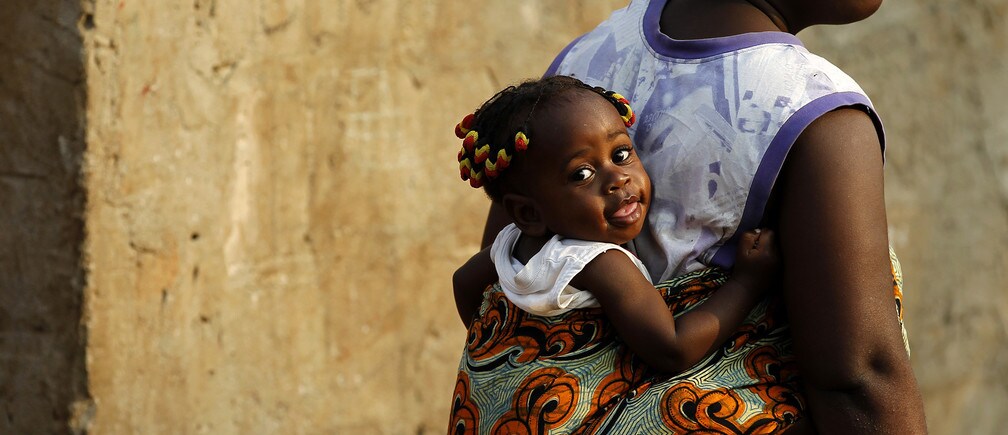
Image: A woman with a baby on her back looks on at an informal settlement in the capital Luanda, August 30, 2012. REUTERS.