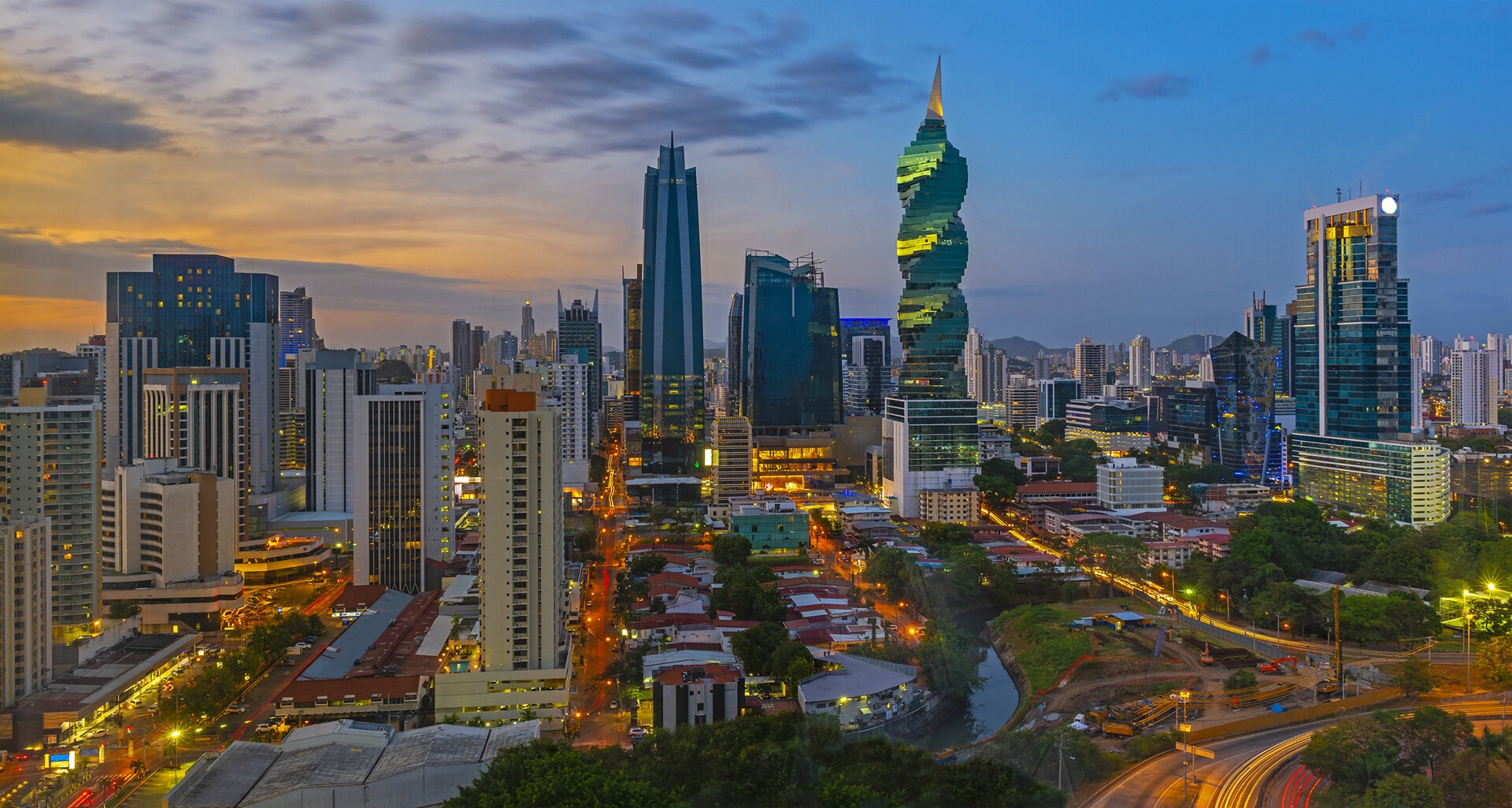
Stakeholder Capitalism dives into some of the main issues raised in the book by Klaus Schwab and Peter Vanham.
Each episode sets out a particular problem with capitalism and globalization - the metric of GDP - and looks at potential solutions.
The episode is available to watch as a video and listen to as a podcast.
Can capitalism be made to work for all of us - and to improve rather than destroy the state of the planet?
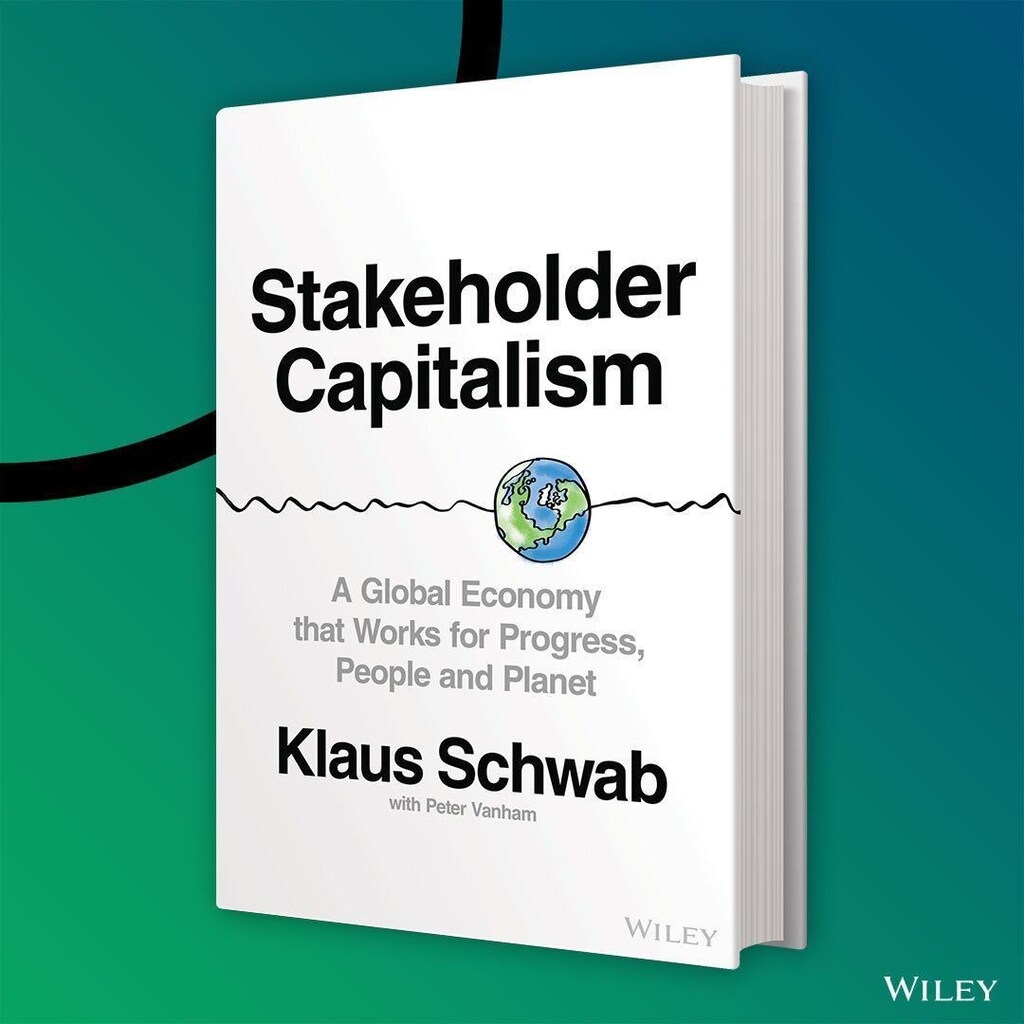
These are the questions asked in the book Stakeholder Capitalism written by World Economic Forum Founder and Executive Chairman Klaus Schwab and Peter Vanham, Head of Communications, Chairman’s Office at the Forum.
Stakeholder Capitalism
On this podcast, Peter Vanham and co-host Natalie Pierce look at one particular aspect of the book in each episode.
In the first half they interview an expert witness who sets out a particular problem with capitalism, and in the second half another expert proposes a potential solution that could help create an economy that works for progress, people and the planet.
Episode 1: Beyond GDP - measuring what matters
Audio podcast:
Video podcast:
Transcript:
Data visualisation:
Presenters
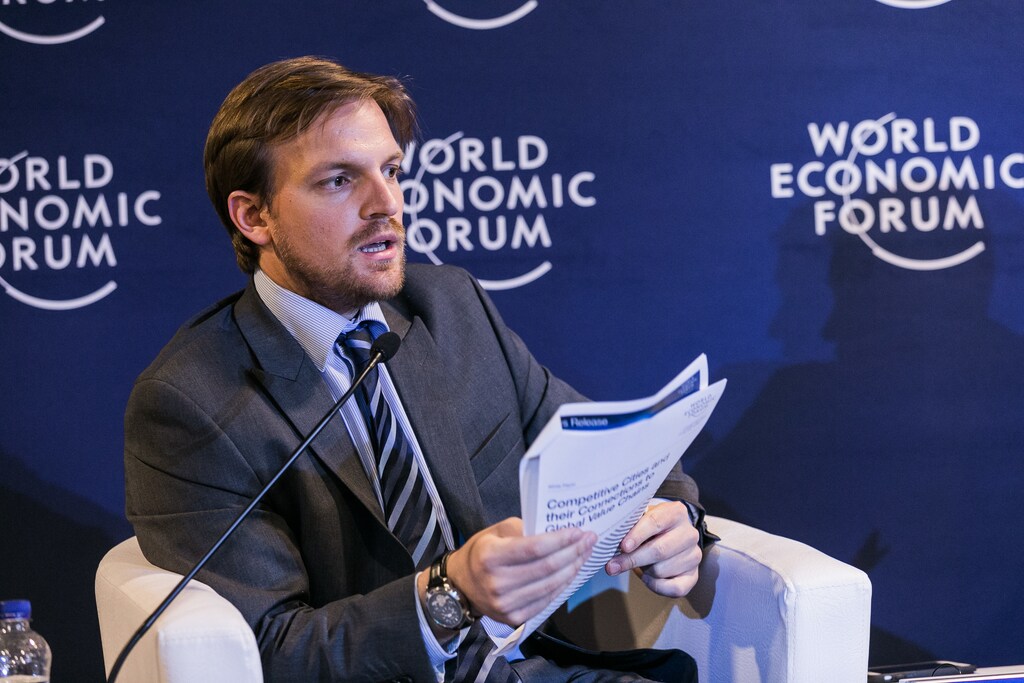
Peter Vanham
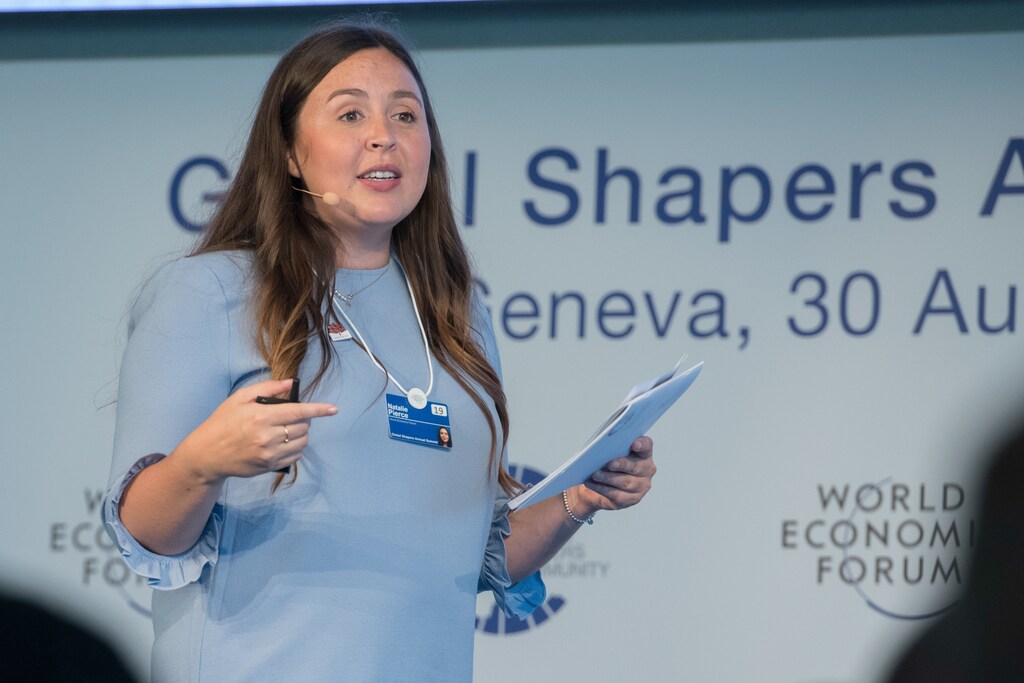
Natalie Pierce
Stakeholder Capitalism: podcast trailer
Find all our podcasts here.
Subscribe: Radio Davos; Meet the Leader; Book Club; Agenda Dialogues.
Join the World Economic Forum Podcast Club on Facebook.