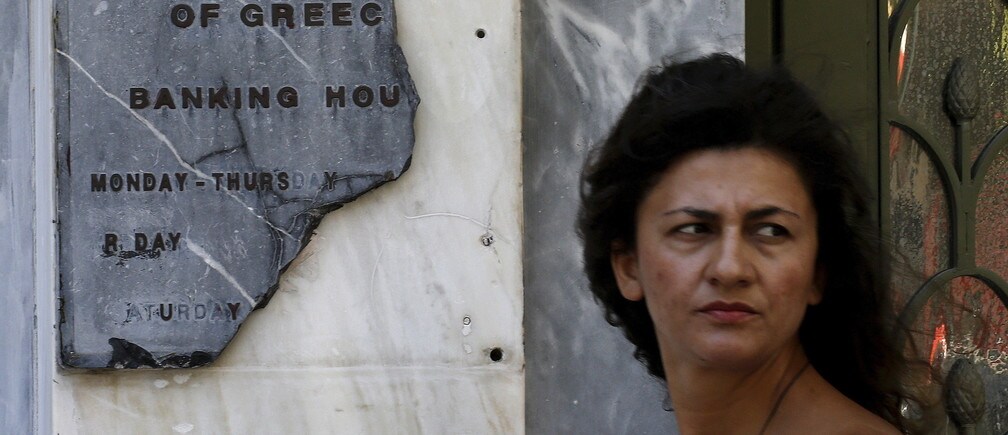
The Greek government is entering a crucial period as it negotiates a last-ditch effort to reach agreement with its creditors over a new bailout package following months of unsuccessful talks. The situation on the ground is difficult with Greek banks closed after the European Central Bank (ECB) froze emergency assistance and withdrawals from cashpoints limited.
The next few days will be crucial if Athens is to secure a deal that will allow it to meet its hefty debt repayment schedule and, in the longer term, to remain part of the Eurozone. The Greek government submitted its latest proposals on Thursday that effectively conceded to creditor demands for pension and labour market reforms, VAT increases and a primary surplus target of 3.5% by 2018
Below are the key political deadlines for the Greek Government:
Saturday July 11: The Eurogroup, consisting of European finance ministers, meets to discuss the details of the proposals and to decide whether they can form the basis of an agreement.
Sunday July 12: Representatives of the EU’s 28 members meet to decide how best to proceed with Greece.
Monday July 20: Greece is due to repay €3.5 billion to the ECB. If it misses this payment the central bank could cut the country’s banks off from emergency liquidity assistance that has been keeping them afloat as depositors have withdrawn funds.
And these are the key debt repayment dates:

To keep up with the Agenda subscribe to our weekly newsletter.
Author: Tomas Hirst is editorial director and co-founder of Pieria magazine and was previously commissioning editor, digital content at the World Economic Forum. His work has been featured in The Times, the Guardian, Prospect Magazine, the Financial Times and Quartz.
Image: A Greek woman pauses by a broken marble National Bank sign outside a branch in Athens. REUTERS/Yannis Behrakis