In this daily round-up, we'll bring you a selection of the latest news updates on the COVID-19 coronavirus pandemic, as well as tips and tools to help you stay informed and protected.
Today's big stories: China cases may have been four-times official figure; 1.2 billion passenger decline predicted for air travel industry; Egypt modifies emergency laws.
1. How COVID-19 is affecting the globe
Confirmed cases of the COVID-19 coronavirus are now over 2.6 million worldwide, according to the latest figures from Johns Hopkins University. Over 183,000 people are known to have died from the virus. More than 714,000 have recovered.
More than 232,000 people in mainland China may have contracted coronavirus during its first wave, compared with the then-official total of 55,000, according to a study by Hong Kong University’s school of public health.
After a monastery outbreak, Ukrainian authorities sealed off the town.
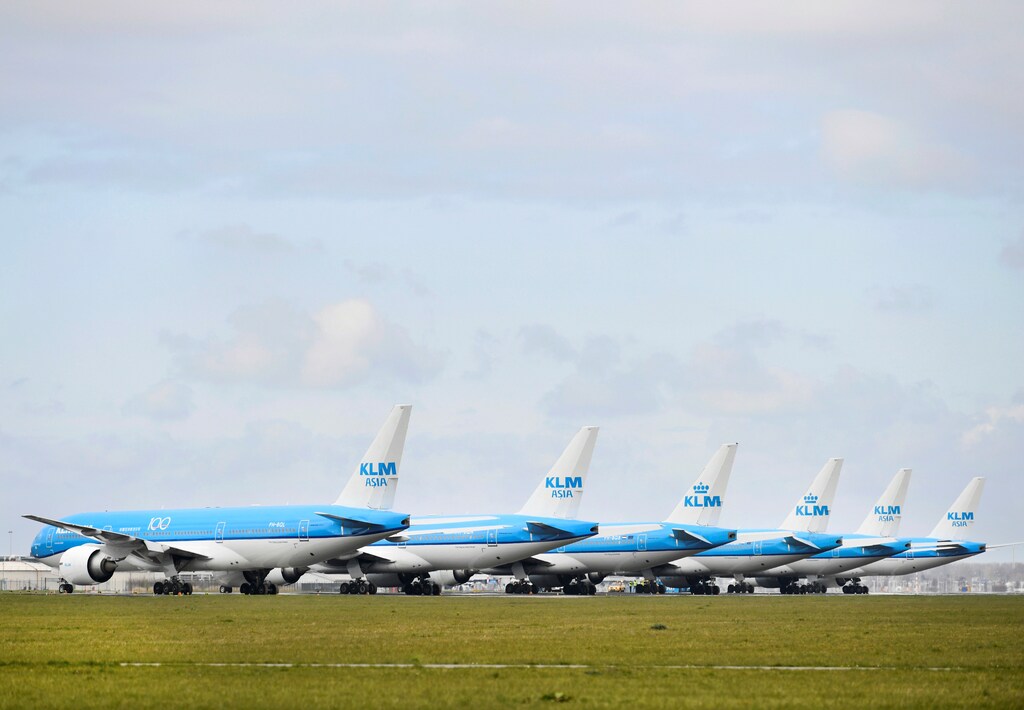
Air travel could see a 1.2 billion passenger decline.
2. 'Make no mistake: we have a long way to go' - WHO COVID-19 briefing
Coronavirus will be with us for some time to come, according to Dr Tedros Adhanom Ghebreyesus, Director-General of the World Health Organization (WHO).
Some countries are seeing a case resurgence and WHO data has revealed that not all countries have elements such as tracing or preparedness plans in place. “This virus remains dangerous”, the Director-General said at COVID-19 briefing on Wednesday. “Most of the world remains susceptible”.
"If we’re able to reopen the economy over the summer, you’re going to see a big rebound in the third and fourth quarter in the US," Treasury Secretary Steven Mnuchin said during a digital meeting of the World Economic Forum's COVID Action Platform on Wednesday.
Launched last month, the Forum's platform brings together the business community for collective action to protect people’s livelihoods, facilitate business continuity and mobilize support for a global response to the COVID-19 pandemic. To date, more than 1,300 companies, organizations and individuals have joined the platform.
4. Key milestones in the spread of the coronavirus pandemic
A new timeline on Agenda compiles decisive moments that have occurred since the coronavirus outbreak began. Included in the timeline is the initial tweet from the WHO on 4 January alerting followers on social media to a cluster of pneumonia cases in Wuhan, China. By 30 January, international experts agreed the outbreak met the criteria to be declared a Public Health Emergency of International Concern, the highest possible alert. At this point in the outbreak there were just 82 confirmed cases outside China (including 10 in Europe) and zero deaths recorded outside China.
5. How COVID-19 could change office design
Though many office workers are currently at home, the world they return to might be markedly different thanks to safety measures employers could enact to maintain social distancing standards. Some architects predict that open office plans will yield to cubicles while desks expand to help keep workers six feet apart from each other. Contactless technologies might be applied to everything from office doors to coffee machines.