This weekly round-up brings you some of the key environment stories from the past seven days.
Top stories: Germany to diversify energy supply, delaying exit from coal and nuclear; UN finalizes roadmap on global plastics treaty; corporate climate disclosures inadequate – CDP.
1. Environment and climate change stories to read this week
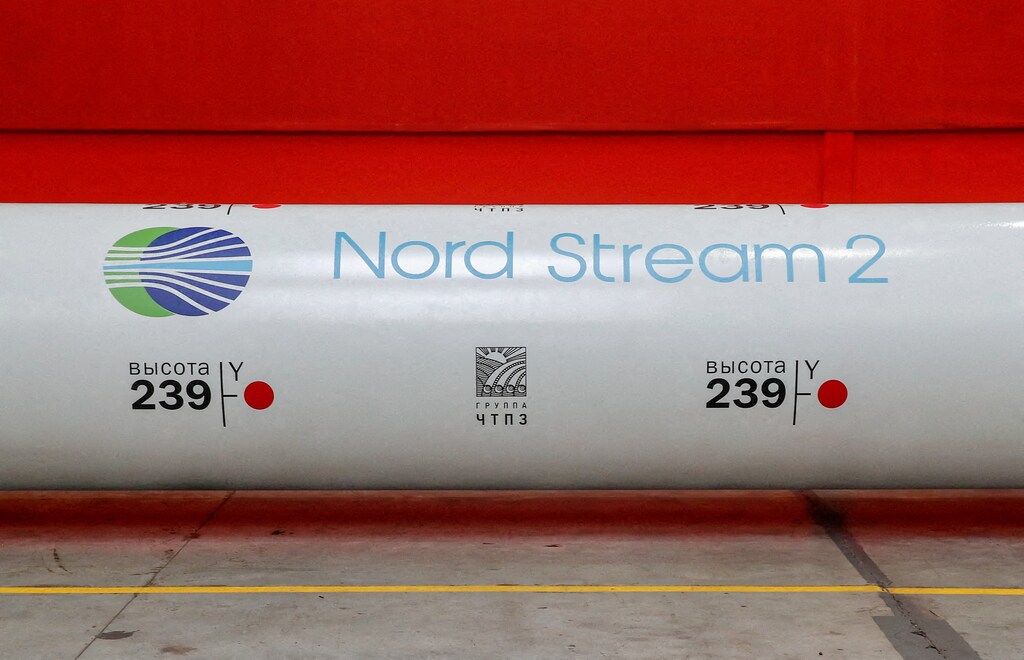
Germany is taking steps to diversify its energy supplies in a bid to cut dependence on key supplier Russia. The move is the latest sign of how Russia's invasion of Ukraine has upended Germany's planned transition toward carbon neutrality, forcing the government to reconsider its planned nuclear and coal exits.
Russia is the largest gas provider to Germany, accounting for 38% of supplies, according to data on the German economy ministry's website. Coal and gas jointly accounted for 43% of Germany's gross power production last year.
Ford says it will boost spending on electric vehicles (EVs) to $50 billion, up from $30 billion, through 2026 and run its EV unit separately from its legacy combustion-engine business.
US insurer American International Group (AIG) said it will no longer provide underwriting services and investments for the construction of new coal-fired power plants, thermal coal mines or oil sands projects. AIG also said it will stop providing insurance cover and investments for any new Arctic energy exploration activities.
Authorities in Australia issued more orders on 3 March for people to leave their homes, after heavy rain triggered flash floods in the country's largest city. Officials are warning of worse to come, with 500,000 people likely to face orders to evacuate.
Philippine President Rodrigo Duterte has signed an executive order to include nuclear power in the country's energy mix, as authorities prepare for the phasing out of coal-fired power plants and after earlier efforts failed due to safety concerns.
Terraformation, a forest restoration start-up founded by the former boss of technology company Reddit, is looking to raise $100 million for a fund focused on early-stage projects in developing countries. The as-yet unnamed fund will blend private, public and concessional capital in a mix of equity and debt, and aims to launch later this year.
An Atlas V rocket has blasted off from Cape Canaveral, Florida, carrying into orbit an advanced satellite designed to provide round-the-clock tracking of weather, wildfires and climate change over Earth's western hemisphere. Operated by the National Oceanic and Atmospheric Administration, the GOES-T spacecraft is the third in the latest series of advanced geostationary satellites, credited with revolutionizing real-time weather forecasting, environmental monitoring and hazard detections from space.

2. 'Biggest green deal since Paris': UN to approve plastic treaty roadmap
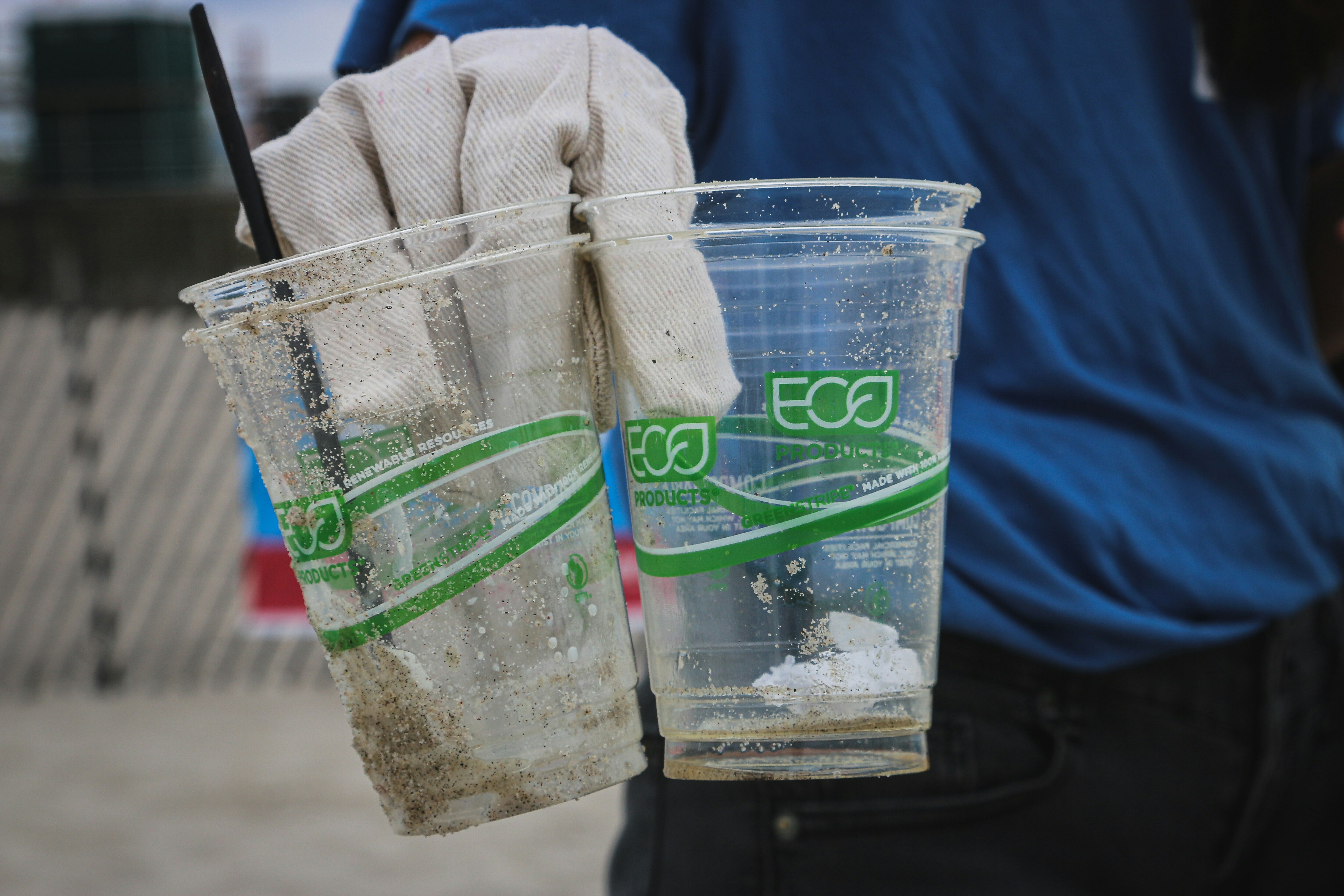
The United Nations (UN) has approved a plan to create the world's first global plastic pollution treaty, describing it as the most significant green deal since the 2015 Paris climate agreement.
Member states held talks for more than a week to agree the outline of a pact to rein in soaring plastic pollution – an environmental crisis that extends from ocean trenches to mountain tops.
Government officials approved a resolution laying out the broad terms for a treaty that should be finalized by the end of 2024.
"This is a historic moment," UN Environment Programme Executive Director Inger Andersen said, warning that the success of any agreement would depend on the final terms that are still to be negotiated.
"As we embark on this journey, let us be clear that the agreement will only truly count if it has clear provisions that are legally binding."
Any treaty that puts restrictions on plastic production, use or design would impact oil and chemicals companies that make raw plastic, as well as consumer goods giants that sell thousands of products in single-use packaging.
3. Almost all climate-related corporate disclosures are inadequate, CDP says
Just 1% of companies who submit climate change-related data to non-profit environmental disclosure platform CDP provide investors with the information they need to assess whether they have a credible plan for the transition to a low-carbon economy.
The new data, provided to Reuters, underscores the wide gap between companies announcing ambitious plans to help tackle climate change, and their limited follow-up with a detailed plan that is needed for them to have any chance of meeting their targets.
CDP has emerged as the world's biggest repository of environmental data submitted on a voluntary basis by companies, which are under pressure from shareholders to disclose how they plan to navigate the transition to a lower-carbon future. The firms' climate plans and CDP's assessment of them are kept private, unless companies choose to publish them.
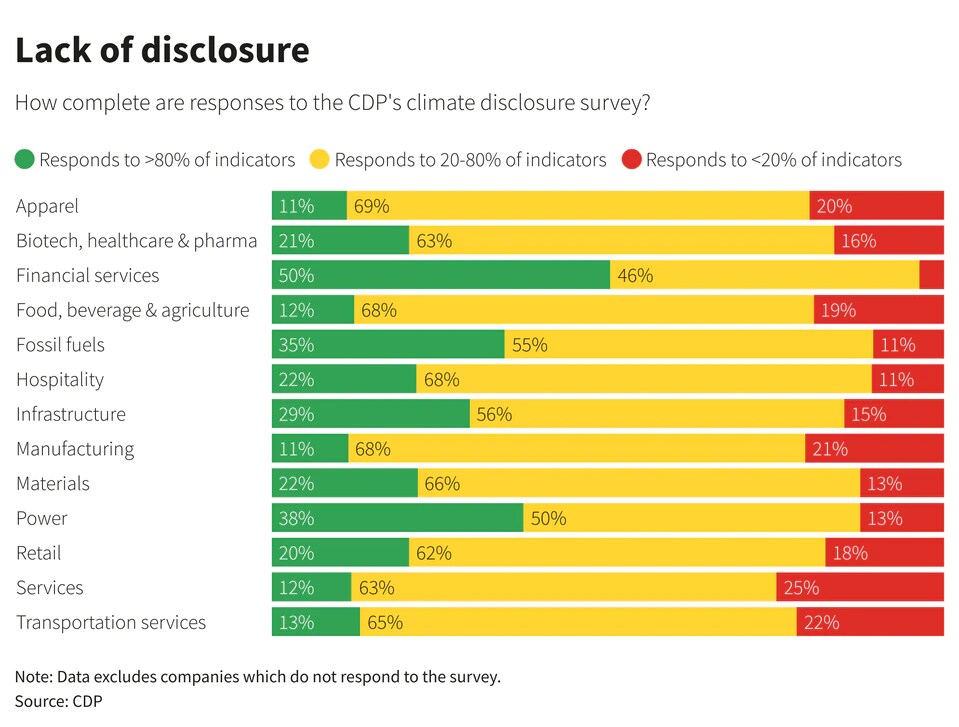
The worst-performing sectors for disclosure globally are transport and apparel, both of which have less than 0.3% of companies disclosing against all the indicators.
CDP analyzed submissions from 13,120 companies, representing 64% of the world's market capitalization, and found that just 135 companies met the grade of disclosing information for all 24 key indicators that CDP has judged as vital for a credible plan.
What is the World Economic Forum doing on natural climate solutions?
The world faces converging environmental crises: the accelerating destruction of nature, and climate change.
Natural climate solutions (NCS) – investment in conservation and land management programmes that increase carbon storage and reduce carbon emissions – offer an important way of addressing both crises and generate additional environmental and social benefits.
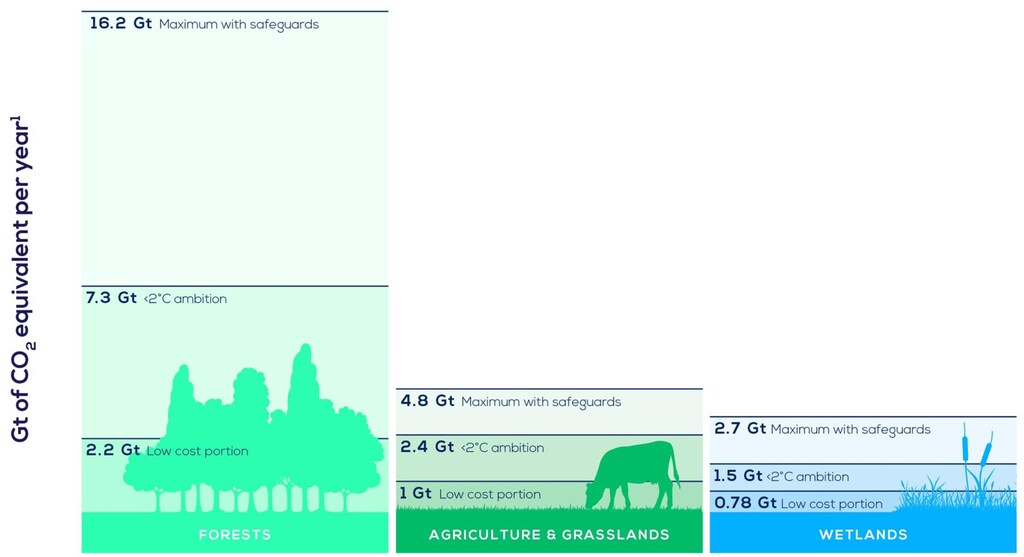
Research conducted for the Forum’s Nature and Net Zero report confirms estimates that NCS can provide one-third of the climate mitigation to reach a 1.5° and 2° pathway by 2030—and at a lower cost than other forms of carbon dioxide removal. This report builds on the recommendations from the Taskforce for Scaling Voluntary Carbon Markets, and identifies six actions to accelerate the scale-up of high-quality NCS and unlock markets through the combined efforts of business leaders, policymakers and civil society.
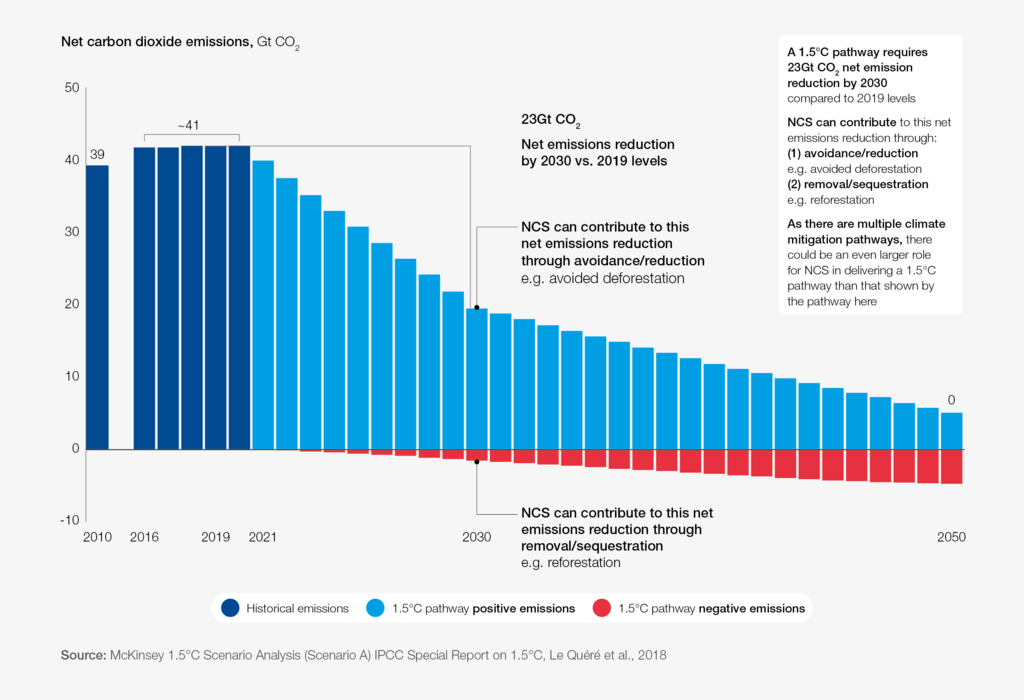
To foster collaboration, in 2019 the Forum and the World Business Council for Sustainable Development came together to establish the Natural Climate Solutions Alliance to convene public and private stakeholders with the purpose of identifying opportunities and barriers to investment into NCS.
NCS Alliance member organizations provided expert input to develop the Natural Climate Solutions for Corporates, a high-level guide to the credible use of NCS credits by businesses.
Get in touch to join our mission to unleash the power of nature.