As vast amounts of money are pumped into building artificial intelligence, the knowledge embedded in the natural world remains underfunded and under-observed.
Why are we spending vast sums trying to create artificial general intelligence while destroying the natural general intelligence that already exists?
The UN Environment Programme’s (UNEP) State of Finance for Nature 2026 report found that for every $1 invested in nature-based solutions, more than $30 went into nature-damaging activities in 2023, equalling $7.3 trillion versus just $220 billion.
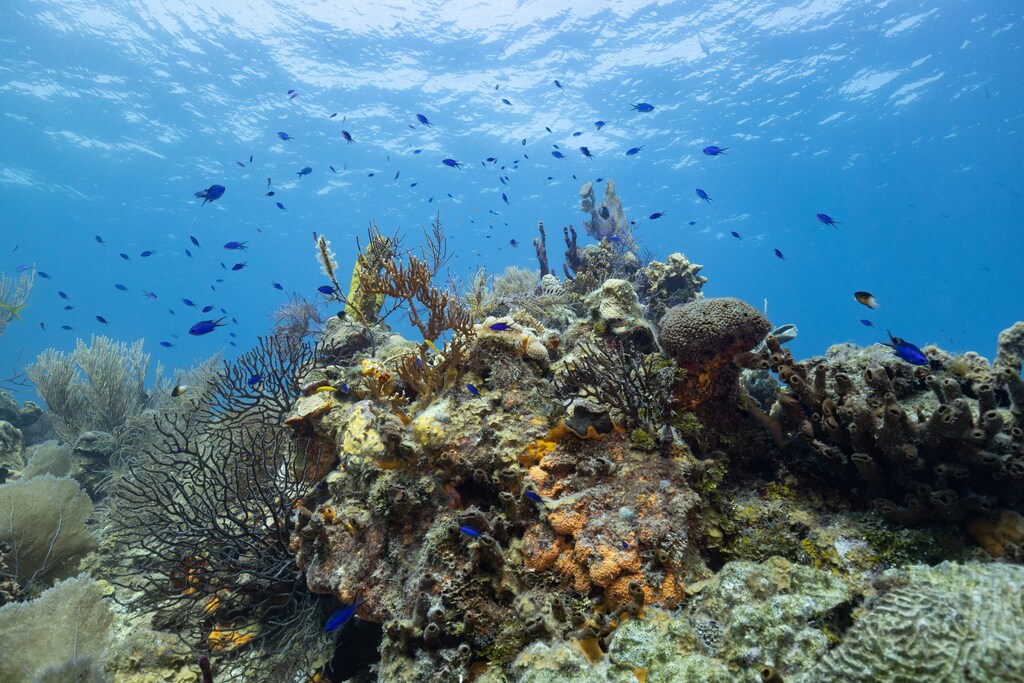
But nature is more than a collection of species and landscapes; it is a library of cognitive solutions refined over billions of years.
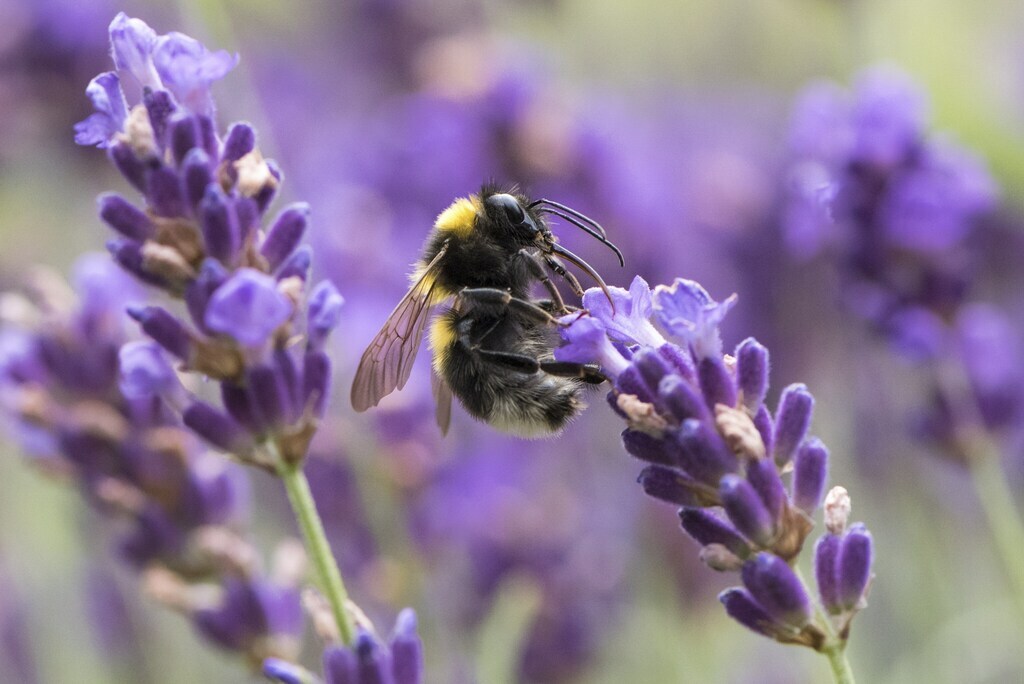
Consider the honeybee. Its brain contains about one million neurons. A colony of tens of thousands of bees acts as a distributed intelligence, collectively evaluating food sources, navigating complex landscapes and communicating precise information through movement.
On the ground, mycorrhizal fungal networks connect forests, carrying nutrients and warning signals between trees, and a tree under attack can trigger defensive responses in neighbouring trees before the threat arrives.
Meanwhile, the monarch butterfly, weighing less than a gram, travels thousands of miles across North America to reach the same small area of forest in Mexico generation after generation, guided by natural systems we are still trying to understand.
What can biodiversity teach us about collective intelligence and resilience?
These behaviours can be called “natural general intelligence” – diverse, adaptive ways of sensing, learning and responding to the world – which consequently, is immensely valuable.
Nature underpins economies, societies and human wellbeing. PwC modelling published in January 2026 suggests that unchecked nature loss could erode as much as 17% of gross domestic product (GDP) and put approximately $11 trillion of stock market value at risk across four major economies within the next 15 years.
A 2025 study modelled a $729 billion global economic welfare loss if animal pollinators were to collapse completely. Nature is not an amenity or a commodity, it is infrastructure.
Yet our investment priorities tell a very different story.
In February 2026, OpenAI announced $110 billion in new investment, nearly eight times that invested privately in nature worldwide in 2025 (just over $14 billion), according to The Nature Conservancy (TNC) and Forest Trends.
At the same time, World Wide Fund for Nature’s (WWF) October 2026 Living Planet Report records a 73% average decline in monitored vertebrate wildlife population sizes from 1970 to 2022. This is extremely worrying.

How biodiversity and natural intelligence can strengthen prosperity
This loss in biodiversity comes with the disappearing biological knowledge accumulated over evolutionary timescales and encoded in living systems; with every species we lose, a unique way of understanding and interacting with the world goes with it.
However, unlike many global challenges, we know a great deal about how to protect and restore nature. Governments, Indigenous Peoples, local communities, scientists, investors and organizations such as TNC have spent decades developing and testing approaches that work.
Large-scale marine protection, innovative conservation finance, community-led stewardship and sustainable land and water management are already delivering results across the world.
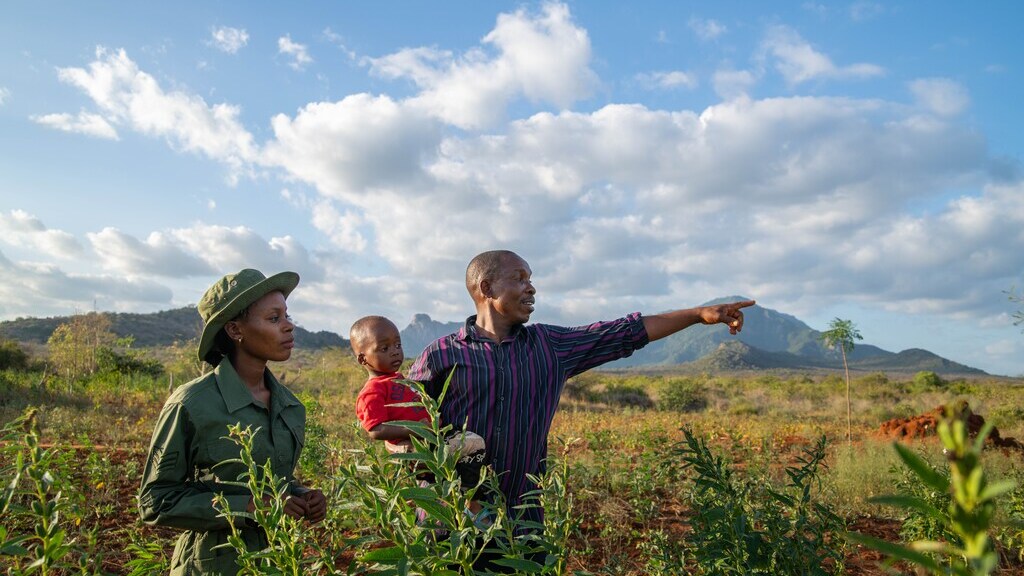
In Kenya, TNC and its partners have launched Thamani Asili, a 10-year nature finance initiative designed to mobilize $160 million for conservation, replacing short-term conservation funding with sustained investment.
The initiative will help conserve 17.3 million hectares and directly benefit around 1.6 million people, placing these communities at the heart of managing Kenya’s natural resources. New economic opportunities are endeavoured through ecotourism, sustainable grazing, carbon programmes and other nature-based businesses.
Attention and investment are what's lacking. If even a small fraction of the capital, ingenuity and ambition currently devoted to building artificial intelligence (AI) were directed towards understanding and protecting natural intelligence we could unlock entirely new solutions to some of our greatest challenges, from climate resilience and food security to human health, while protecting the living systems on which our economies and societies depend.
We have already seen AI at work with electronic monitoring of fishing fleets and cattle tagging in Brazil, to protect against overfishing or deforestation.
Why is investing in natural intelligence an economic imperative?
We don’t need to choose between AI and nature – we need both. AI is helping us monitor ecosystems, track biodiversity and improve conservation outcomes, which can allow us to harness the power of combining human innovation with nature’s accumulated wisdom.
While global markets run on increasingly sophisticated intelligence systems, the natural systems that sustain our economies remain dramatically under-observed and underfunded. Closing this intelligence investment gap is an economic imperative.
UNEP says nature-based solutions need $571 billion a year by 2030 to meet global targets – around twice as much as current investment but just 0.5% of global GDP.
For investors and philanthropists, this is a moment to help build the infrastructure that nature, communities and markets all depend upon.
By investing in the technologies, data systems and partnerships that make nature visible, measurable and actionable, we can equip decision-makers with the intelligence needed to manage risk, unlock opportunity and safeguard the resources on which every economy depends.
We must place as much value on the intelligence nature has spent billions of years developing, as we do on the AI we are racing to create.