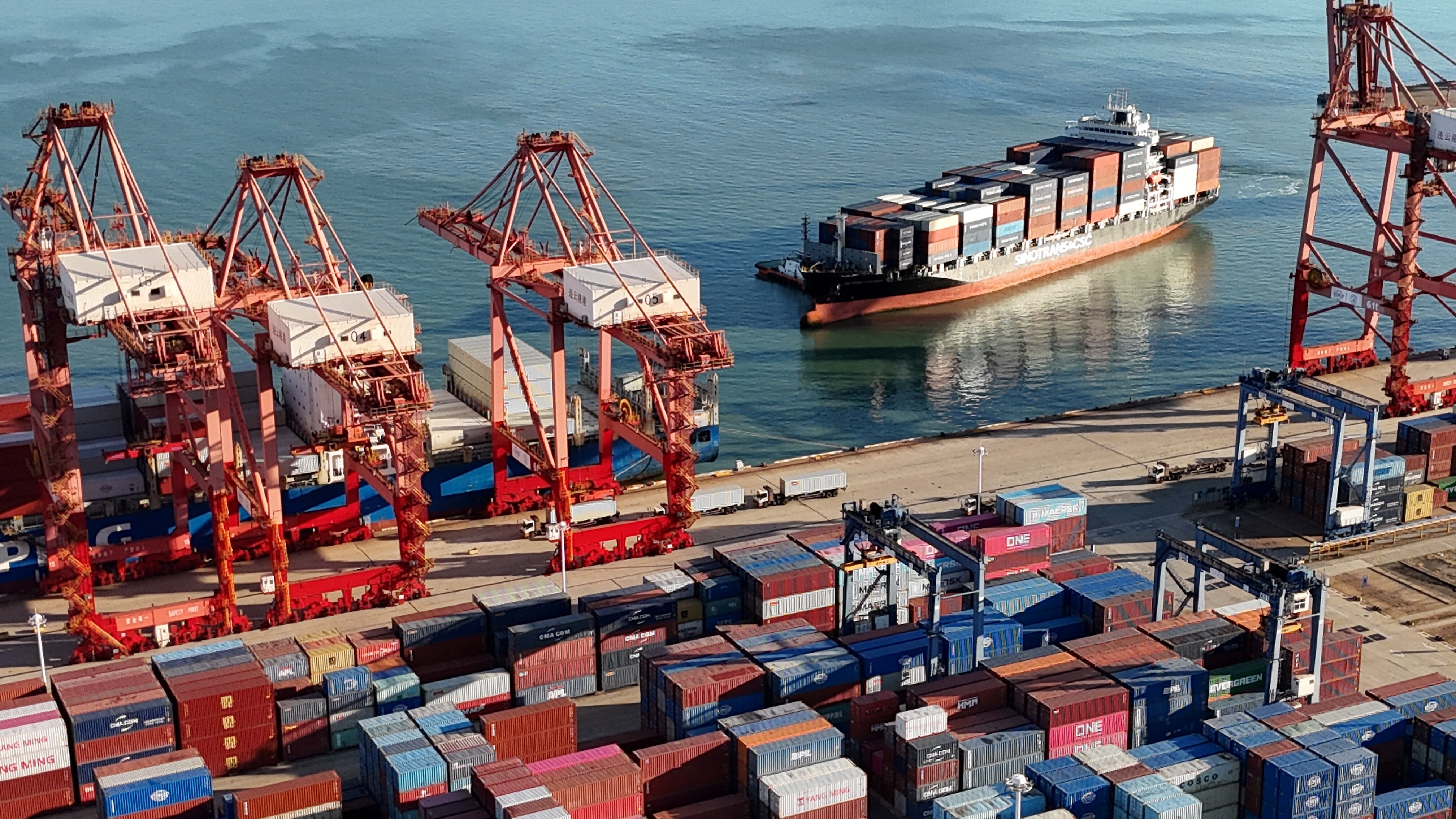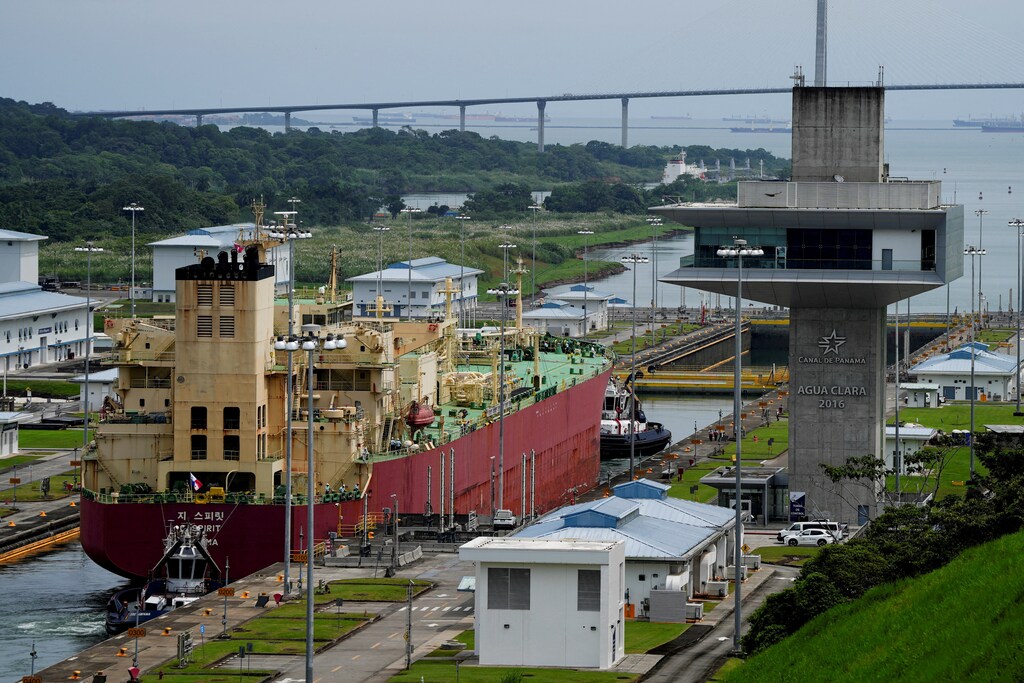
On the Isthmus of Panama, just 80 kilometers separate the Atlantic and Pacific Oceans. Through that narrow span, the Panama Canal connects 180 maritime routes, 1,920 ports and 170 countries, facilitating approximately 5% of global trade.
That reach is both an advantage and a source of exposure as the conditions surrounding global trade become less predictable. Geopolitical tensions, policy shifts and regulatory complexity are changing how companies think about sourcing, manufacturing and market access. For Panama, these shifts make the continued strengthening of its Canal, ports, logistics zones and industrial clusters even more central.
For business, effectively navigating trade trends should involve looking not only at where goods are moving, but also at the trade rules and agreements that shape those movements.
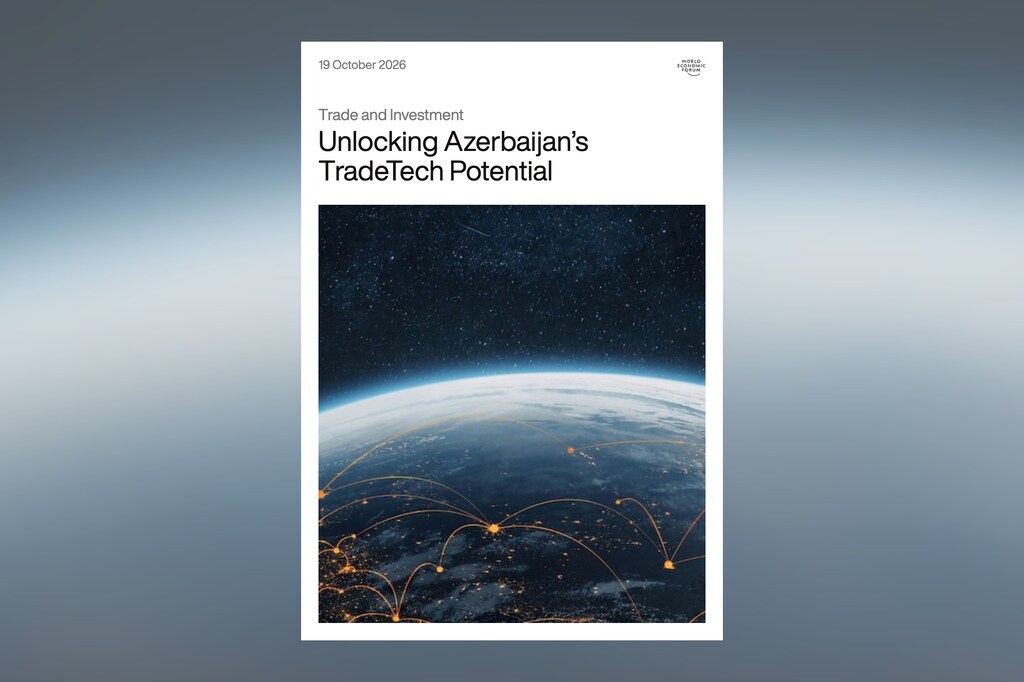
A new World Economic Forum and PwC briefing paper, explores how the use of preferential trade agreements (PTAs) can provide businesses with more than tariff savings. By using PTAs, companies can gain greater flexibility across sourcing, manufacturing and market access at a time when the global trade environment is becoming harder to predict.
Creating options, not just savings
PTAs have traditionally been associated with reducing tariffs and facilitating cross-border commerce. Newer agreements increasingly extend into areas including services, digital trade, data flows, sustainability and energy cooperation, making them relevant to a much broader set of business decisions.
Companies making sourcing and investment decisions typically consider labour, logistics, infrastructure and tax. Looking at trade agreements alongside these factors introduces another lens: how different locations connect to suppliers and customer markets, what rules of origin apply, and how digital-trade commitments, export controls, data governance and regulatory interoperability could affect a business case.
Yet opportunities are still being missed. WTO analysis shows that around 4% of global merchandise trade is eligible for preferential treatment but continues to take place under most-favoured-nation terms. One example shared by experts consulted for the new briefing saw a company save more than $16 million in just over a year by switching to PTA preferences.
The opportunity, however, goes beyond recovering tariff costs.

Using trade agreements to build resilience
As an earlier Forum and PwC paper on trade compliance highlighted, stronger trade data, governance and cross-functional collaboration can help businesses navigate a more complex global trading environment. Those same capabilities can also help companies identify where trade agreements create opportunities across their wider business networks.
Companies cannot know where the next disruption will occur, nor can they establish new suppliers, production footprints or customer markets overnight. But assessing alternative trade corridors and PTA opportunities in advance can improve their ability to switch suppliers, adjust routes, preserve customer access or maintain business continuity when conditions change.
This matters as friendshoring and economic-security considerations contribute to a growing network of bilateral, regional and sector-specific agreements. Rather than viewing sourcing, manufacturing and market entry as fixed constraints, businesses can map their networks against existing and emerging agreements to understand where alternative suppliers, production locations, routes or markets might be available.
The strategic question is therefore not simply whether a company can benefit from a trade agreement today, but where its network of agreements could create greater flexibility tomorrow.
Building options before they are needed
Making the shift towards increased flexibility starts with understanding how much eligible trade currently claims preferential treatment and where benefits may be going unused. It also means assessing agreements alongside suppliers, production locations, routes and customer markets, supported by reliable origin and value-chain data.
For executive teams, the opportunity is to bring this analysis into sourcing, manufacturing, investment and market-entry decisions rather than considering trade agreements only after those decisions have been made.
Panama’s position at the crossroads of global commerce offers a useful illustration. Physical connectivity can open routes to markets. Trade agreements can help businesses make more strategic use of those connections.
Companies cannot predict every geopolitical shift, policy change or supply chain shock. But they can expand their room to respond when conditions change.