A list of some of the week’s most interesting stories on economic growth and social inclusion.
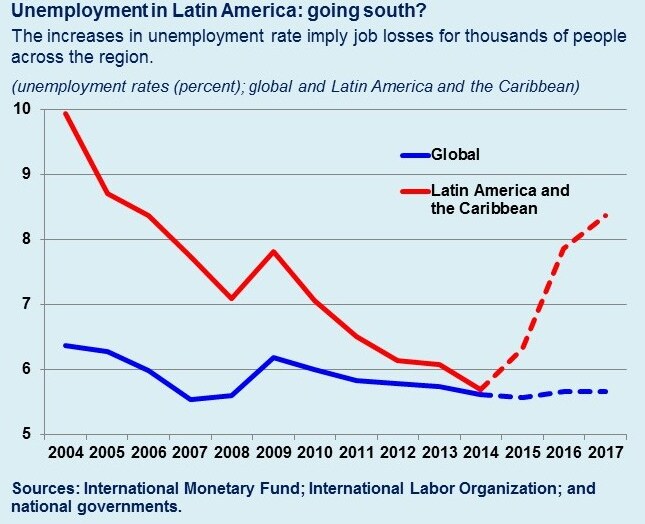
1. Unemployment is expected to increase strongly in Latin America. What needs to be done in particular, besides boosting growth in general? (iMFdirect)
2. Which emerging markets save most, which least – and why? (Financial Times)
3. The IMF warned about rising inequality in India and China, mostly driven by rural-urban differences. (Live Mint)
4. To strengthen US growth, the country needs a legal and regulatory simplification, writes John Cochrane. (The Wall Street Journal)
5. Young families are struggling to generate economic security in the US. Even in cases where women’s hours increased, declining male earnings are playing a part in reduced incomes of young families. (Washington Center for Equitable Growth)
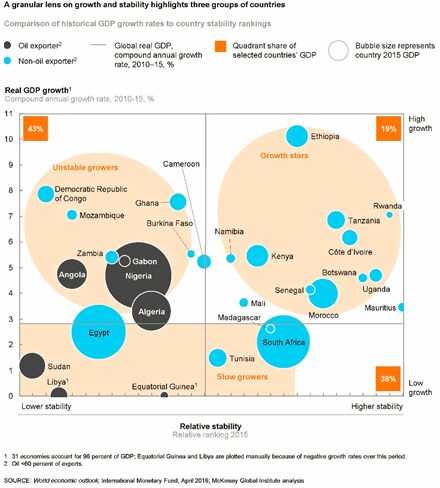
6. McKinsey research suggests three reasons to be upbeat about Africa’s economic prospects – and where to expect stable growth to happen in the region. (World Economic Forum)
7. The Economist examines crony capitalism around the world – a critical issue for the inclusive growth debate. (The Economist)
8. Nigeria’s high economic growth has failed to go hand in hand with a lower poverty incidence and inequality levels. Why? (Brookings Institution)
9. In his book, Mervyn King explains that the core problems that caused the 2008 global financial crisis have not yet been dealt with – and suggests solutions. (Bloomberg View)
10. Three solutions to fix the productivity slump: re-allocating capital to productive uses, boosting employment and enhancing government efficiency. (The Washington Post)