How Asia can reverse rising inequality in its cities
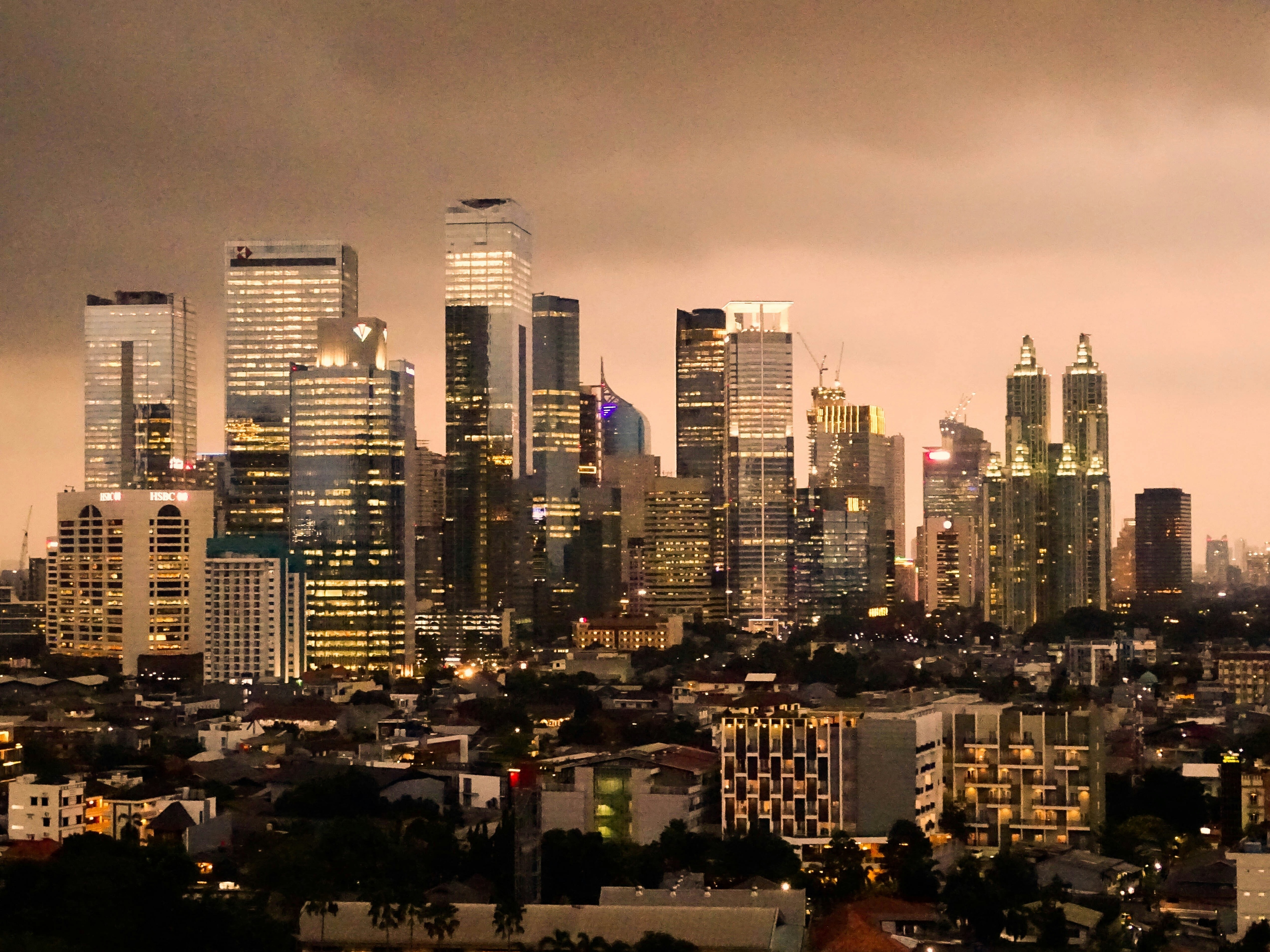
Susceptible to shocks … megacities like Jakarta are places of opportunity and vulnerability. Image: Unsplash/
Armida Salsiah Alisjahbana
Executive Secretary, United Nations Economic and Social Commission for Asia and the Pacific (UNESCAP)Kanni Wignaraja
UN Assistant Secretary-General and UNDP Regional Director for Asia and the Pacific, United Nations Development Programme (UNDP)- Asia-Pacific's fast-growing cities are also incubating deep urban inequality that impacts underserved and disadvantaged populations.
- Well-governed cities mitigate these social and economic pressures and foster inclusive and resilient development.
- A new UNDP report details best practices and case studies from across the region, showing how to create liveable cities that benefit all citizens.
Asia and the Pacific is urbanizing faster than any other region. By 2050, its cities will be home to 3.4 billion people, up from 2.2 billion today – the equivalent of adding around two Delhi-sized cities every year. The region’s future will depend on how this urban expansion is managed – whether it delivers shared prosperity and well-being, or deepens exclusion and vulnerability.
Rising skylines across the region reflect expanding economic might and wealth. Yet deep urban inequality is growing in the shadows of these cityscapes, leaving cities socially divided, politically fragile and increasingly exposed to unsafe and illegal activity.
Today, nearly 700 million urban residents in Asia and the Pacific live in slums and informal settlements, while more than 65% of urban workers are in informal employment. Moreover, 2.3 billion people are breathing unsafe air, unmanaged waste is growing, and climate risks are escalating.
These pressures fall most heavily on those already underserved and disadvantaged, including migrants, persons with disabilities, low-income households headed by women, older persons, and youth without a steady income.
Unequal cities are also fragile cities. When crises hit, those already struggling are often pushed deeper into poverty and despair, slowing recovery for everyone. In turn, this can erode social cohesion and weaken trust in institutions, making it harder to cope with shocks.
Recent geopolitical tensions and economic volatility have shown how swiftly global shocks can shake stability, with cities in the region often bearing the brunt. The situation in the Middle East, for example, is affecting many urban communities through rising energy and food prices, disrupted supply chains, remittances and jobs.
Across Asia and the Pacific, the impacts are acute: Economic losses are estimated to range from $97-299 billion, fiscal pressures are mounting, small businesses are going under, and an estimated 8.8 million people are at risk of falling into poverty, according to estimates by UNDP.
Inflation hits low-income households hardest, workers in insecure jobs are often the first to lose livelihoods, and communities living on city margins with less access to overstretched services feel such pressures most. In unequal urban spaces, even temporary disruptions can create lasting setbacks.
But this is not inevitable. Cities have the opportunity to shape a different future. Well-governed cities are hubs of innovation, investment and opportunity that can drive more inclusive and resilient development.
Our 2026 Asia-Pacific SDG Partnership Report highlights demonstrated practice and strategic choices that drive improvements to housing, basic services, jobs and environmental management, showing how urban resilience can be enhanced through connected approaches supported by policy and regulations, strategic investments and implementation capacity.
A housing programme across 75 provinces in Thailand, for example, combines government planning with community-led action to help low-income households access secure land tenure, better housing, essential services and livelihood support, with strong local ownership enhancing its effectiveness and sustainability.
Similarly, in Mongolia, communities and local authorities are working together to strengthen flood resilience in Ulaanbaatar’s ger (nomadic tent) areas. Initiatives integrating climate-informed urban planning, green infrastructure and cleaner energy solutions aim to reduce environmental risks and improve living conditions, particularly for residents most exposed to flooding and air pollution.
Meanwhile, women in informal employment in some Indian cities are receiving support to cope with rising temperatures through early warning systems, protective equipment and microinsurance that provides payouts during periods of extreme heat to offset lost income.
By placing the needs and experiences of vulnerable communities at the centre of urban planning, such initiatives are already delivering results. However, isolated successes cannot address the scale and complexity of urban inequality across the region.
Technology and bold policy choices can bridge that gap, alongside stronger coordination across sectors and levels of government. Better use of connected data systems and digital monitoring tools can identify and support those most at risk; and innovative financing mechanisms, as well as stronger partnerships with the private sector, can extend support and services to the underserved.
What is the World Economic Forum doing to promote sustainable urban development?
Policy and investment choices made today will not only shape city skylines. They will determine whether the region’s growing urban population can live safely, work productively, withstand shocks and fulfil its potential.
Global experience shows that most liveable cities are safer, cleaner and provide livelihood opportunities for their inhabitants. By putting the needs of the vulnerable at the centre of urban planning, cities can be defined not just by their stunning skylines but by the quality of life they deliver.
Don't miss any update on this topic
Create a free account and access your personalized content collection with our latest publications and analyses.
License and Republishing
World Economic Forum articles may be republished in accordance with the Creative Commons Attribution-NonCommercial-NoDerivatives 4.0 International Public License, and in accordance with our Terms of Use.
The views expressed in this article are those of the author alone and not the World Economic Forum.
Stay up to date:
Cities and Urbanization
Related topics:


Forum Stories newsletter
Bringing you weekly curated insights and analysis on the global issues that matter.
More on Economic GrowthSee all

Ramya Krishnaswamy and Tony Simpson
October 1, 2026


