Reliable energy and trusted digital infrastructure could help Egypt turn its strategic position into productive investment, industrial competitiveness and regional growth.
Egypt's next economic chapter will depend on how effectively it converts two strategic assets into engines of growth: reliable energy and trusted digital infrastructure. Connecting Africa, the Middle East and Europe, the country is well positioned to attract investment in industries increasingly dependent on both.
Egypt is approaching an important economic turning point, allowing it to translate its strategic advantages into productive investment, competitive exports and employment, while strengthening longer-term resilience.
Two developments could accelerate this transition: expanding energy resilience to support industrial growth and developing trusted digital infrastructure to unlock artificial intelligence (AI).
How Egypt can leverage its strategic advantages
1. Energy resilience: Powering industrial competitiveness
Reliable, affordable energy is fundamental to economic competitiveness. For Egypt, diversifying energy supplies, expanding renewable generation and investing in resilient infrastructure can reduce exposure to external shocks while supporting industrial development.
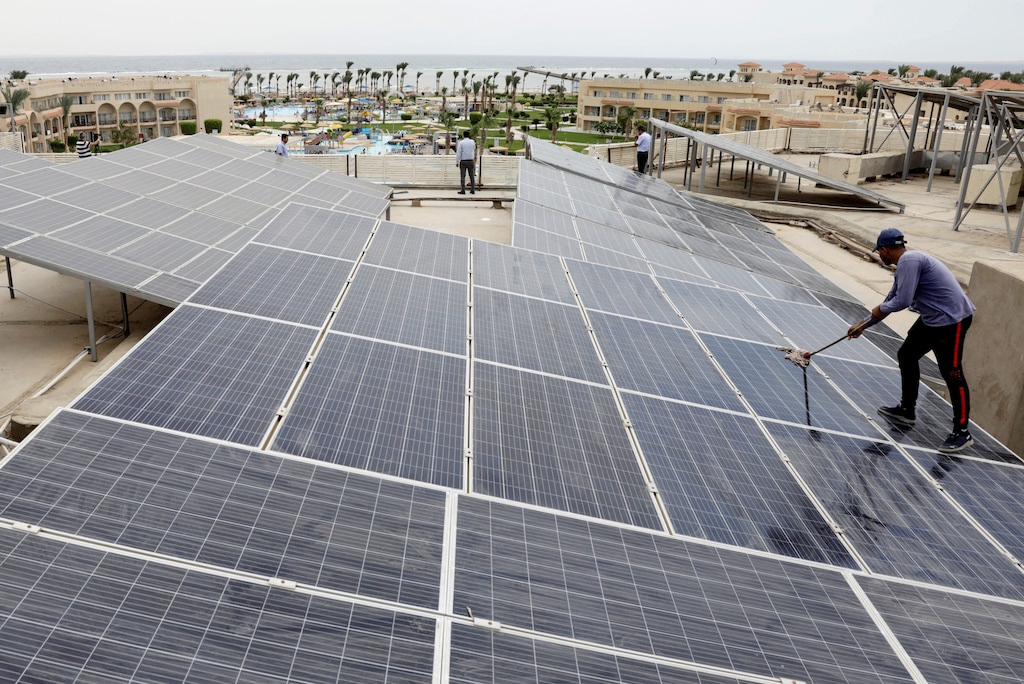
The ambition to generate 42% of electricity from renewable sources by 2030 is central to this strategy. Projects such as the Benban Solar Park demonstrate Egypt's capacity to develop renewable infrastructure at scale. The Dandara solar project in Qena illustrates how the energy transition can directly support industrial competitiveness.
The $650 million project, involving Norway's Scatec and three multilateral development banks, will combine one gigawatt of solar generation with 200 megawatt-hours of battery storage. It is designed to supply approximately one-third of Egypt Aluminium's electricity requirements, potentially reducing emissions while strengthening the competitiveness of Egyptian products.
More broadly, energy infrastructure could underpin industrial development. Reliable power supports manufacturing, logistics, and export-oriented industries, while diversified energy supplies reduce vulnerability to fuel price volatility and regional disruption, which is particularly important as digital infrastructure expands.
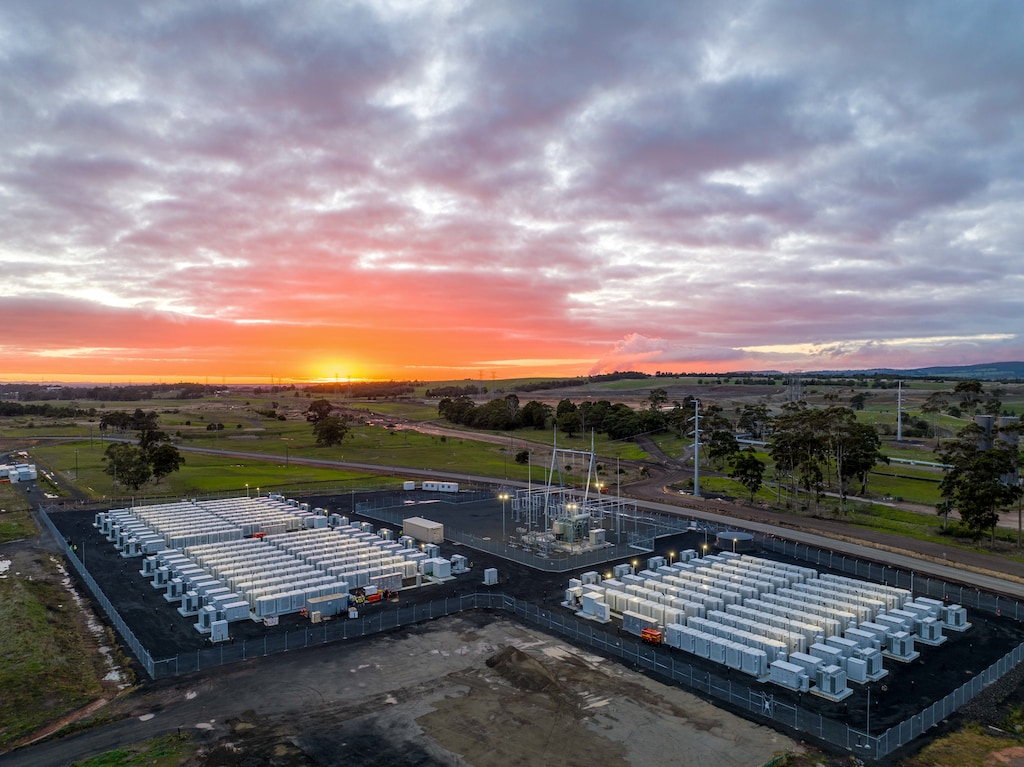
AI data centres, advanced computing facilities and modern manufacturing require substantial amounts of dependable electricity. Meeting these needs requires renewable generation, storage, grid investment and innovative power solutions.
Egypt's ability to develop suitable sites and independent power generation models could attract investment in next-generation data centres, connecting the energy transition with ambitions to become a regional digital hub.
AI can also improve the efficiency and resilience of existing energy systems. Advanced computational tools offer opportunities to optimise industrial processes, improve resource efficiency and reduce operational costs, supporting productivity across manufacturing and energy.
Egypt's strategic geography, between Africa, Europe and the Middle East, reinforces this agenda with opportunities for regional energy cooperation. Meanwhile, Red Sea shipping disruptions demonstrate the importance of resilient infrastructure and diversified supply chains.

2. Technology sovereignty: Turning connectivity into economic value
Egypt's digital infrastructure is another strategic asset. Its submarine cable networks carry approximately 13% of global internet traffic and around 90% of international data flows between Europe, Asia and Africa. This connectivity creates opportunities to attract investment in data centres, AI infrastructure and advanced computing.
However, technological competitiveness isn’t dependent only on connectivity as infrastructure can be turned into domestic capabilities, locally developed applications and higher-value economic activity.
Egypt's information, communications and technology sector provides a strong foundation, growing approximately 14-16% annually and contributing around 6% of domestic production, while technology exports have reached $7.4 billion. Expanding digital services, electronics manufacturing and outsourcing could strengthen productivity, create skilled employment and diversify the economy.
Developing domestic AI capabilities is another component of this ambition. The launch of Karnak Chat and Loghat in September 2026 reflects Egypt's efforts to develop locally relevant AI applications, support Arabic-language capabilities and protect national data.
These initiatives complement plans to expand digital public services, strengthen cybersecurity, accelerate smartphone manufacturing and outsourcing.
Data sovereignty is particularly important as AI adoption accelerates. For Egypt, developing trusted infrastructure and ensuring sensitive information can be managed securely are essential to protecting national interests and building confidence among citizens, businesses and international investors.
Partnerships combining international expertise with local talent and investment can accelerate this process. Discussions with Egyptian stakeholders have highlighted opportunities to facilitate infrastructure deployment through ready-to-develop sites near submarine cable connections, with pre-approved locations and specifications reducing implementation timelines and latency.
Such approaches could attract institutional capital into AI infrastructure while supporting applications across healthcare, energy, banking, media and trade, including those that can be developed locally and scaled across regional markets.
Cybersecurity will be essential. As digital systems become more integrated into critical infrastructure and government services, protecting sensitive data and preparing for emerging technological risks will become increasingly important. Trusted digital infrastructure can strengthen investor confidence while enabling governments and businesses to adopt AI securely.
Connecting energy, AI and investment to fuel growth
Energy resilience and technology sovereignty are closely connected. Reliable power enables advanced computing and digital infrastructure, while AI can improve energy efficiency and industrial productivity. Secure digital systems strengthen investment confidence and enable more sophisticated economic activity.
For Egypt, bringing these priorities together could support a growth strategy centred on productive investment, exports and employment. This requires continued reforms, effective public-private collaboration and partnerships combining international capital and expertise with domestic innovation.
The World Economic Forum Country Strategy Meeting in Cairo provides an important platform to advance this agenda. Bringing Egyptian leaders and international business and technology partners together can identify practical opportunities to accelerate investment, strengthen capabilities and deepen regional cooperation.
For global businesses, Egypt offers more than a large domestic market as its strategic infrastructure, growing talent base and regional connectivity create opportunities to develop emerging industries and reach markets across Africa, the Middle East and Europe.
The next chapter of Egypt's economic development will depend on how effectively it mobilises these advantages.
If we can turn energy resilience into industrial competitiveness and trusted digital infrastructure into innovation, investment and shared growth, it could strengthen Egypt's economic foundations while reinforcing its role as a strategic hub connecting three significant regions.