Egypt's green transition is a leading example of why renewable energy is both an environmental imperative and a viable long-term economic strategy.
At a time when countries are seeking to strengthen energy security, boost competitiveness and accelerate climate action, Egypt is showing how these objectives can reinforce one another.
Over the past decade, the country has transformed its power sector through policy reform, infrastructure investment and private sector participation. Rapidly growing electricity demand, evolving fuel market dynamics and macroeconomic resilience objectives have positioned renewable energy at the heart of Egypt's economic development strategy.
As Egypt advances towards its target of sourcing 42% of its electricity from renewables by 2030 and 65% by 2040, it is demonstrating how clean energy can support economic resilience and sustainable growth alongside decarbonization.
Egypt has some of the region’s best solar and wind resources, particularly along the Gulf of Suez and Red Sea coast. Combined with declining technology costs and a supportive investment framework, these advantages have created the foundations for one of the most dynamic renewable energy markets in the Middle East and North Africa.
Moving from ambition to implementation
Egypt’s renewables journey reflects a broader lesson for emerging markets: ambitious targets must be matched by an environment capable of attracting investment at scale.
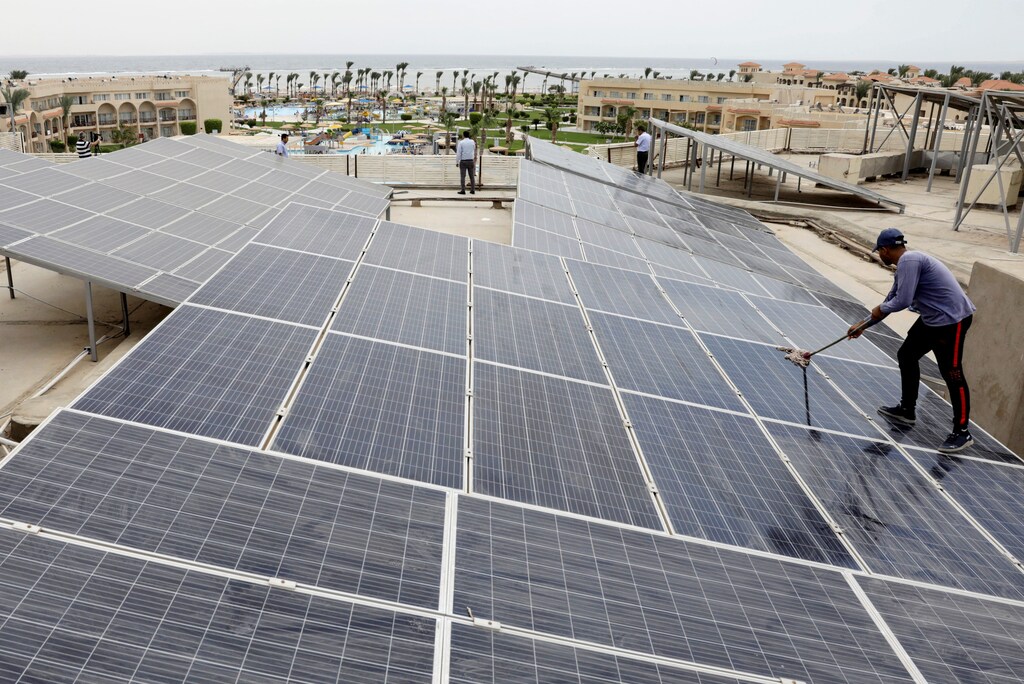
Over the past decade, reforms have opened the electricity sector to private participation, strengthened regulatory frameworks and supported large-scale renewable energy development. Flagship projects such as the Benban Solar Park demonstrated that utility-scale renewables could be developed competitively while attracting substantial international investment.
Today, Egypt is pursuing a system-wide transformation encompassing renewable generation, transmission infrastructure, energy storage and regional interconnections.
The economics are increasingly compelling. Renewable energy is now among the most competitive sources of new power generation in Egypt, reducing dependence on conventional fuels while helping meet rising electricity demand at lower long-term cost.
For Egypt, renewable energy is about more than decarbonization. Renewables can lower fuel costs, reduce exposure to commodity price volatility, preserve valuable foreign-exchange resources, and strengthen economic resilience.
These benefits matter all the more in an uncertain global environment where energy security and economic stability are critical priorities.
Mobilizing private capital for green energy
A defining feature of Egypt’s progress has been its ability to mobilize private investment. Abundant resources alone are not enough: attracting capital also requires clear regulation, bankable frameworks and confidence in long-term policy direction.
Partnership between government, development finance institutions, commercial lenders and private developers has therefore been central to Egypt’s progress.
The European Bank for Reconstruction and Development (EBRD) has played a catalytic role. Since 2012, it has become one of the country’s leading institutional investors and helped shape its renewables market through financing, policy engagement and technical expertise.
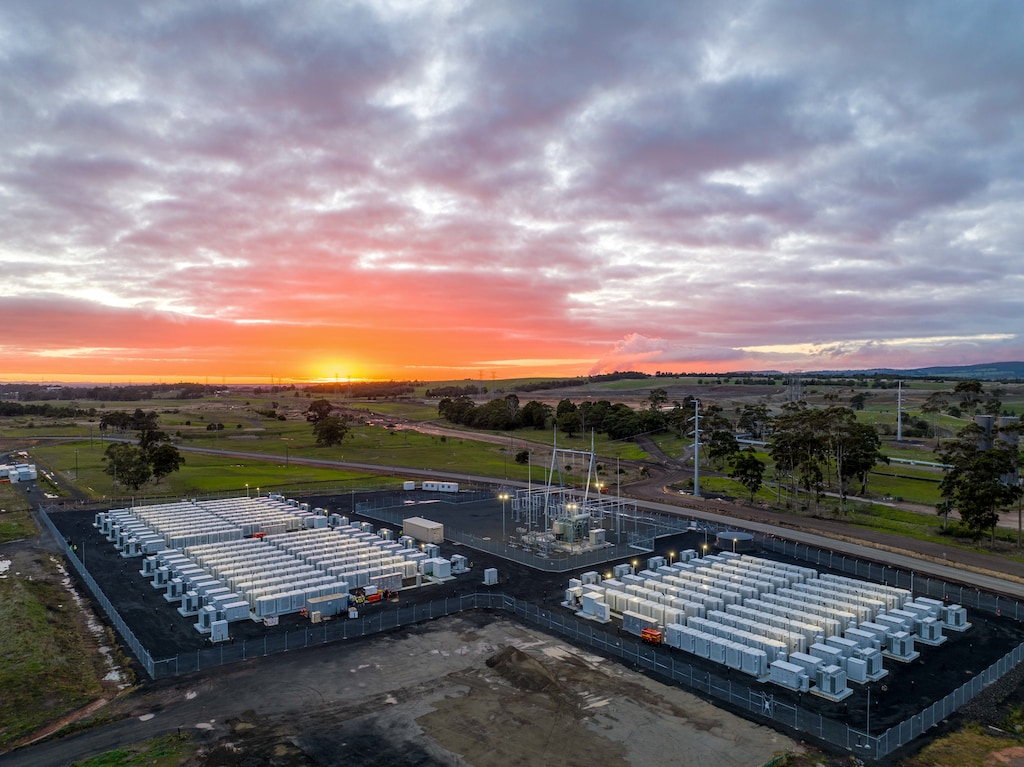
The EBRD has committed more than $2.3 billion to Egypt’s renewable energy sector, financing projects comprising nearly 9.3 GW of solar photovoltaic capacity, more than 3.6 GW of wind capacity and over 6.4 GWh of battery energy storage capacity, and it has helped mobilize capital at scale.
The bank’s contribution extends beyond financing. Since the early stages of Egypt’s RE market reforms in 2016-17, the EBRD has worked with the Egyptian Electric Utility and Consumer Protection Regulatory Agency (EgyptERA), New & Renewable Energy Authority (NREA) and the Egyptian Electricity Transmission Company (EETC) on developing the regulatory framework and enhancing the bankability of power purchase arrangements.
The EBRD has also supported the gradual liberalization of Egypt’s traditionally state-dominated electricity sector, including efforts to enable greater private-to-private participation.
As lead partner of the energy pillar under Egypt’s Nexus of Water, Food and Energy (NWFE) programme, the EBRD has worked with the Egyptian authorities and development partners to accelerate renewable energy deployment and mobilize private investment, demonstrating the power of multilateral institutions to help bridge the gap between policy and implementation.
It has also supported investment in grid infrastructure, battery storage and the retirement of inefficient thermal generation, helping build a more competitive, resilient and low-carbon power system.
Building the energy system of the future
The next phase of Egypt’s green transition will depend not only on renewable generation but also on the infrastructure needed to support it.
As larger volumes of solar and wind enter the grid, investment in transmission networks, system flexibility and battery storage will become increasingly important to maintaining reliability and maximizing the value of renewable resources.
In addition, Egypt’s strategic location at the crossroads of Africa, the Middle East and Europe creates opportunities beyond its domestic market. As economies seek clean energy and low-carbon supply chains, countries with abundant renewable resources and supportive investment environments will be well placed to attract new industries and strengthen their position in regional energy markets.
The transition is also expanding beyond renewable electricity, with Egypt positioning itself to capture new opportunities in areas such as renewable and low-carbon hydrogen.
The EBRD financed Egypt’s low-carbon hydrogen feasibility study and has worked with national stakeholders on the development of the country’s low-carbon hydrogen strategy. Combined with continued investment in renewable generation, storage and networks, these efforts could help establish Egypt as a regional hub for clean energy and low-carbon industrial development.
A model for emerging markets
Egypt’s transformation has lessons beyond its borders.
The central challenge facing the global energy transition is no longer simply whether renewable technologies work. It is whether countries can mobilize the investment, infrastructure and partnerships required to deploy them at scale.
Egypt shows what can happen when policy ambition, private capital and international cooperation align. Clean energy deployment can accelerate while strengthening energy security and economic competitiveness.
As the global debate increasingly focuses on resilience, competitiveness and sustainable development, Egypt offers a broader lesson: the most successful energy transitions create economic value alongside environmental benefits.
Clean, renewable energy is not simply an environmental imperative. For Egypt, it is also a long-term economic strategy.