How we build workforce preparedness for the industries that shape the future
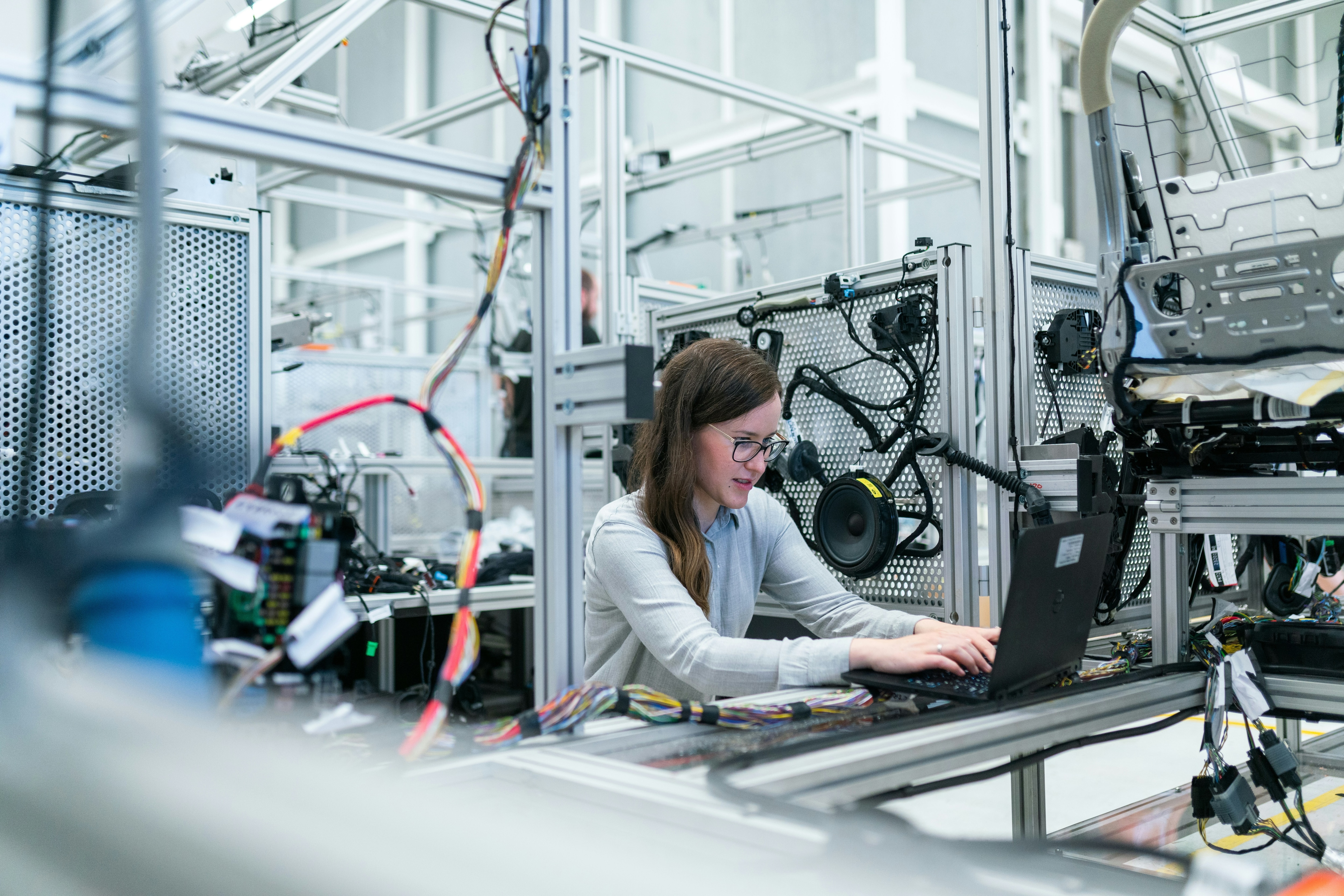
Workforce preparedness means connecting learning to real workplaces Image: Unsplash/ThisisEngineering
- Workforce preparedness is becoming a strategic priority as workplace technology advances and skills needs change; employers can help people participate in that growth, rather than adapt to disruption.
- Skills development is most valuable when it connects directly to real jobs, with initiatives that provide clearer pathways between learning and employment.
- Young people need better visibility into emerging careers, the skills those careers require and the routes available to reach them.
Helping people prepare for meaningful work is one of the most important investments we can make in the future. Work builds confidence, creates opportunity and strengthens communities. It also gives people the ability to adapt as industries evolve and new technologies reshape the world around them.
Today, that ability to adapt is becoming increasingly important. Artificial intelligence (AI) is changing how work gets done and creating new possibilities for productivity and growth. At the same time, advanced manufacturing, semiconductors, energy infrastructure and other high-growth sectors are creating demand for new skills and capabilities.
The opportunity is not simply to help people keep pace with change. It is to help them build the confidence, experience and skills needed to participate in the opportunities that change creates.
More workers use AI daily but many feel less confident in their ability to use it effectively. Closing that gap is one of the greatest opportunities employers have today. Employers can help people use new technology with confidence while developing the specific capabilities industries need.
Strong hiring demand creates an opportunity to act
The latest ManpowerGroup Employment Outlook Survey shows that employers remain focused on growth. For the fourth quarter of 2026, 43% expect to increase staffing and hiring intentions improved from the previous quarter and the same period last year. Employers across industries also report increased hiring of entry-level workers compared with 2025.
Employers still report shortages of qualified candidates and mismatches between experience and job requirements. Among those reducing entry-level hiring, the need for experienced candidates who can contribute immediately ranks ahead of AI-driven automation as a reason for pulling back.
These findings present real opportunity. Employers need skilled talent and people need careers where they can keep learning and growing. Connecting learning more directly to employment can give people relevant experience while helping industries develop the capabilities they need.
Workers need a clear understanding of how their roles are changing and how new skills can strengthen their employability.
”Skills development has greater value when it leads somewhere
Effective skills development begins with real workforce demand. In advanced manufacturing, that means preparing people to work with robotics and automation as production environments change.
For example, semiconductor growth requires technical talent across fabrication, engineering, field service, software and operations. Energy infrastructure and data centres are creating demand for specialized capabilities.
The ManpowerGroup Global Manufacturing Outlook found that 72% of industrial manufacturers are struggling to find skilled talent as robotics and smart manufacturing reshape workforce needs. At the same time, 45% of manufacturing workers worry that AI and automation could replace their roles within two years.
Employers must build confidence and capability together
Workers need a clear understanding of how their roles are changing and how new skills can strengthen their employability. Employers can share what they are seeing, support practical learning and make the route from training to employment easier to understand.
Manpower’s MyPath shows how that connection can work in practice. The programme uses workforce intelligence to identify how jobs are changing, translate emerging demand into targeted training and help workers understand where opportunities are moving.
More than 332,000 participants and alumni have engaged with MyPath globally. In the second quarter of 2026, 40.4% of participants completed training, while 67% of hard-skills training focused on industrial disciplines.
Those figures represent people making tangible career moves. For instance, an electrical engineering graduate used this training to strengthen the skills needed for a testing and validation engineering role at Stellantis. The outcome shows what workforce preparedness can mean in practical terms. Learning was connected to a specific role, an employer's need and a realistic next step.
Career preparation must begin earlier
Young people need to know where opportunities are emerging and what those careers involve. They also need to understand the routes available to reach them.
The World Economic Forum’s SmartStart initiative aims to prepare 1 million young people for future-focused jobs in manufacturing and supply chains by 2035. It brings industry, education and workforce partners together to build practical skills for technical, digital and sustainability-related jobs.
SmartStart connects classroom learning with hands-on experience, industry-recognized credentials and mentorship while making technical careers more visible to students and their families.
Manufacturing careers increasingly involve AI and robotics, along with automation and data analytics.
When students understand how these technologies are used and which skills employers value, they can make informed choices about education and credentials. They can also see more clearly how those choices connect to a career.
Have you read?
Semiconductor growth depends on targeted talent pathways
Each industry has distinct workforce needs, so skills development must be tied to the roles and capabilities in demand. The semiconductor industry offers a useful example of how this approach can work in practice.
Semiconductors support AI and cloud infrastructure. They are also essential to electric vehicles, data centres, hospitals and advanced manufacturing. Continued growth depends on skilled people across the full value chain.
Through SEMI’s K-12 initiatives and Junior Achievement programmes, students gain early exposure to semiconductor careers and learn about the technical skills those roles require. Several routes can lead into the industry, including options that do not require a four-year degree.
People already in the workforce also need opportunities to move into growing roles. Intel’s Quick Start semiconductor workforce initiative has supported hundreds of people through training, career transitions and upskilling.
This work depends on shared commitment. Employers provide insight into the capabilities they need. Educators turn those needs into relevant learning. Industry and community partners expand awareness and access. Workforce organizations help connect training with employment.
Keeping people at the centre while advancing innovation responsibly can help more people participate in the industries shaping the future.
”Preparedness expands opportunity
Creating talent is becoming as important as finding it, particularly in industries where demand is growing faster than traditional talent pipelines can respond.
The approach will differ across countries and industries. People should be able to see how the skills they develop connect to meaningful careers. Employers and educators share responsibility for making that connection clearer, with support from workforce partners.
MyPath shows what preparedness can mean for someone already building a career. SmartStart begins that work earlier, before young people make critical choices about education and employment. The semiconductor initiatives show how targeted learning can respond to the needs of a specific industry.
Keeping people at the centre while advancing innovation responsibly can help more people participate in the industries shaping the future. It can also give those industries the talent they need to grow.
Don't miss any update on this topic
Create a free account and access your personalized content collection with our latest publications and analyses.
License and Republishing
World Economic Forum articles may be republished in accordance with the Creative Commons Attribution-NonCommercial-NoDerivatives 4.0 International Public License, and in accordance with our Terms of Use.
The views expressed in this article are those of the author alone and not the World Economic Forum.
Stay up to date:
Future of Work


Forum Stories newsletter
Bringing you weekly curated insights and analysis on the global issues that matter.