This weekly roundup brings you top reads for the weekend from Agenda.
Take this: Our virtual selves are here to stay and we need a framework to navigate the ethical dilemmas.
And in the numbers: One out of every 23 people now need some form of humanitarian relief and more than 333 million people faced food insecurity in 2023. Find out why women are key to humanitarian efforts.
Look beyond the headline noise for these thoughtful expert insights and one-of-a-kind features that put the world's biggest changes into fresh context. This week: our digital identities have a legacy that we need to think about; sea levels are rising and the humble sand motor could help (it's not really a motor, though); conflict is disrupting efforts to decarbonize trade; and women are key to humanitarian aid efforts.
The take
Me, myself and my digital self
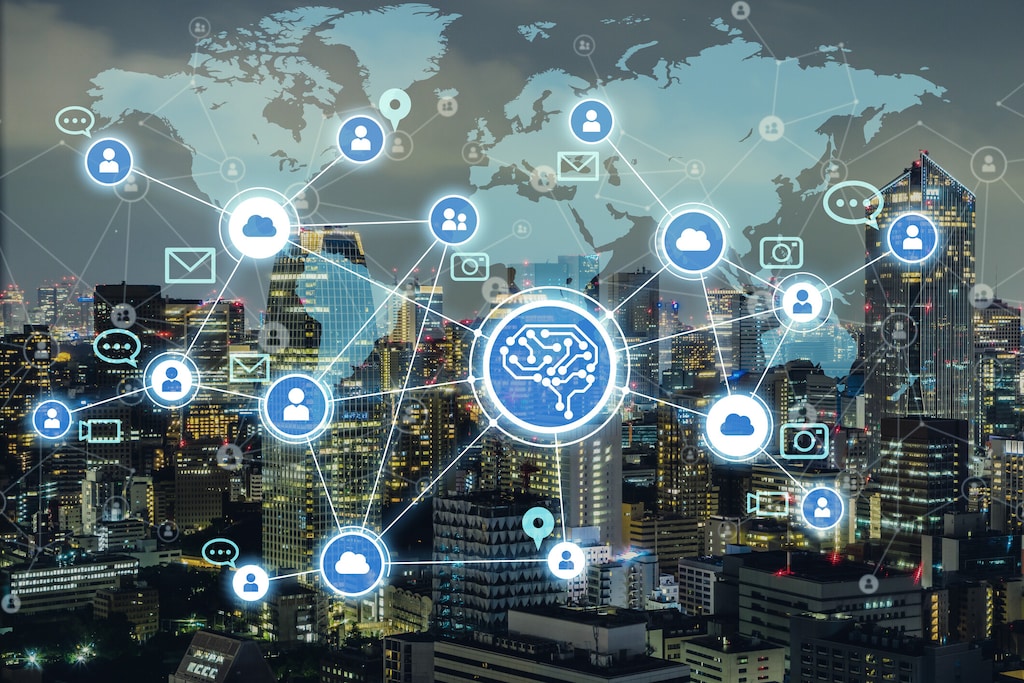
'Everyone online today has a metaverse identity'. The challenge is to think about identity, legacy, consent and community in the context of our virtual selves alongside the real thing. It's a job for a new legal and technical framework.
How to navigate the ethical dilemmas posed by the future of digital identity
The metaverse is still a thing, and it's not just for gamers. Radio Davos spoke to HTC's Pearly Chen on the potential for metaverse applications for healthcare, social care and education.
The shift
Sand motors and rising sea levels
Sand motors are a Dutch invention which can help control coastal erosion. It's not actually a motor, though. It's a nature-based solution to coastal erosion that works in harmony with the movement of seawater.
Confused?
Then read: What is a sand motor and how can it protect against rising sea levels?
Failing to adapt to coastal threats loomed large in the Global Risks Report 2024.

The opportunity
Conflict and carbon
'The Red Sea disruption and Russia's war against Ukraine have revealed the fragility of the global supply chain, particularly at critical choke points, all leading to higher costs, greater operational challenges and negative impacts for the climate.' But there's an opportunity for leaders to adapt and reconfigure global trade and climate strategies.
4 ways geopolitical tensions are increasing carbon emissions
More on how nations find ways to prioritize collective efforts and collaboration in the Global Cooperation Barometer.
The stat
Women and humanitarian efforts
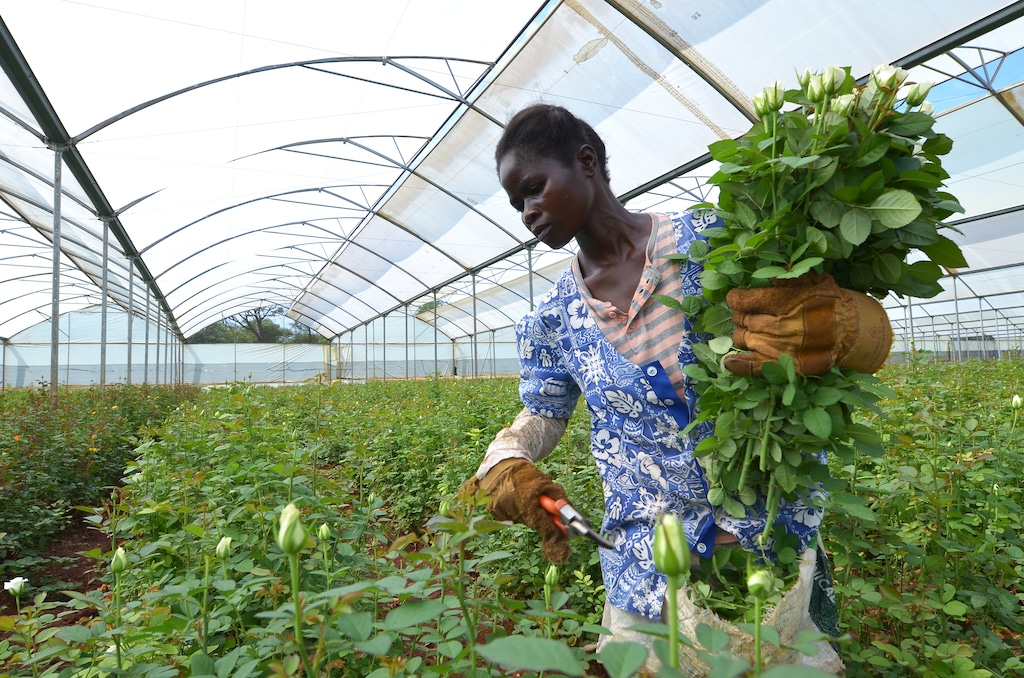
One out of every 23 people now need some form of humanitarian relief. 'Conflict, climate extremes and economic shocks all contributed to the more than 333 million people facing food insecurity in 2023 — a 200 million person increase from pre-COVID levels.' Women are key to getting aid to where it's needed.
How amplifying women's voices could boost humanitarian and development aid efforts
Hear why the number of refugees could double in the next decade from the head of UNHCR.