This industrial hub proves gender parity in manufacturing is possible
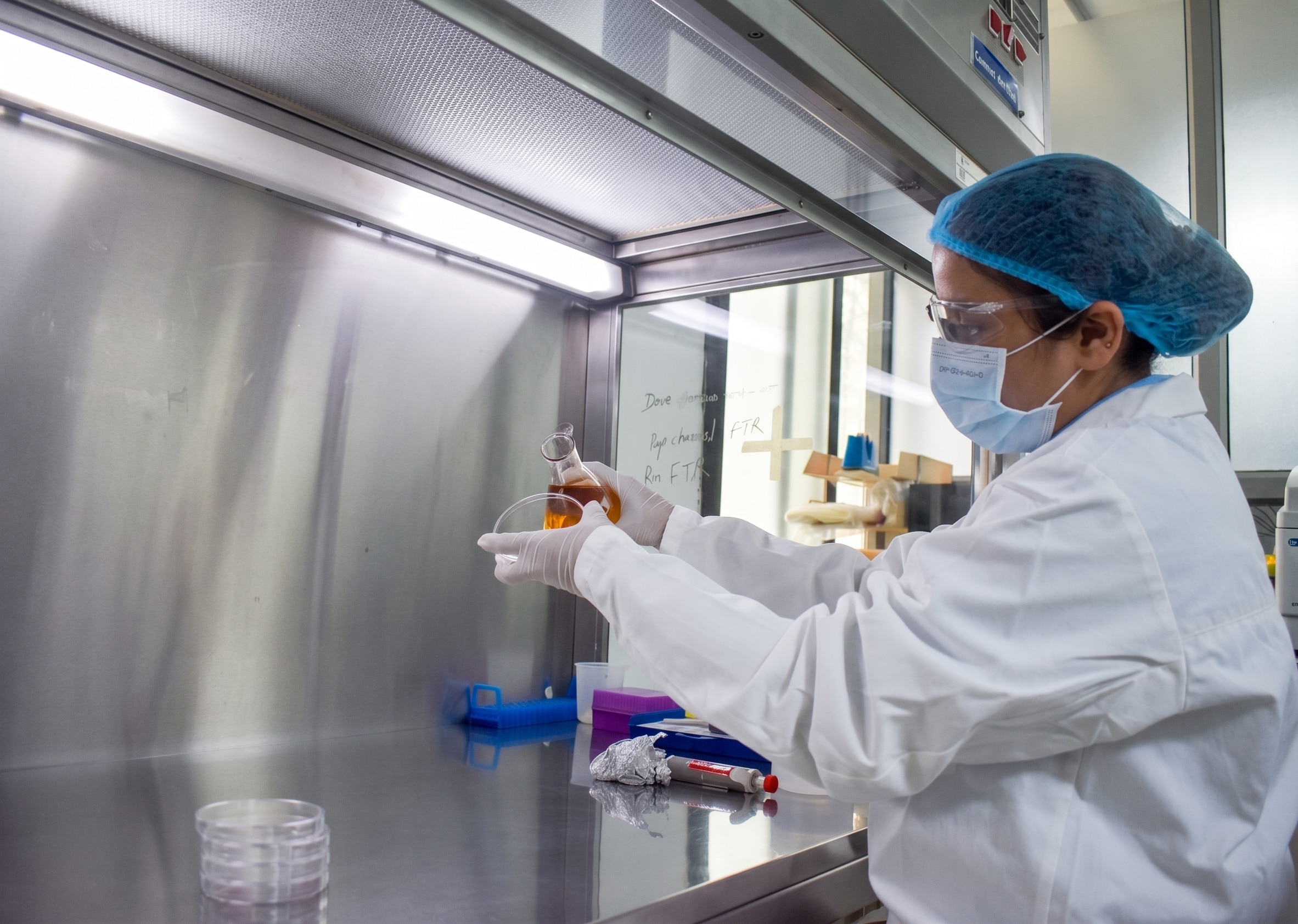
Closing manufacturing's gender gap doesn't have to take generations. Image: Unilever
Aarushi Singhania
Initiatives Lead, People Centric Pillar, Advanced Manufacturing, World Economic Forum- Women account for just over a third of the workforce in manufacturing and supply chains, and less than a quarter in C-suite roles.
- One factory cluster in India shows how targeted site pilots can rapidly close this gap while boosting efficiency.
- Shifting from physical labour to digital systems offers a major window of opportunity to accelerate women participation in factories of future.
The manufacturing and supply chain sectors continue to face severe talent shortages, with companies and countries failing to fill critical jobs across the industry. Women account for just over a third of the workforce in manufacturing and supply chains, and less than a quarter in C-suite roles. Closing this participation and leadership gap at all levels is essential to ensure long-term competitiveness and industrial growth.
While full global gender parity remains an estimated 120 years away, closing the gap across plant operations and leadership can happen far more quickly at the factory level. The key is combining targeted local talent development, safer infrastructure and structured technical pathways – a blueprint Hindustan Unilever (HUL) put to the test across its Haridwar manufacturing cluster, while simultaneously driving business efficiency.
Recognized by the World Economic Forum as a Global Lighthouse for end-to-end supply chains, HUL’s Haridwar cluster comprises seven beauty and personal care plants. What began in 2015 as a single pilot – a women-run nail-polish unit with 30 employees – has transformed the entire site. Today, the cluster operates near gender parity, with women occupying over 60% of leadership positions.
Three levers for gender parity in manufacturing
How did HUL achieve near gender parity while scaling operational efficiency and automation? While every manufacturing facility, and indeed industry, faces unique challenges, the Haridwar cluster highlights three transferable strategies other companies can adopt to build an inclusive, future-ready workforce:
1. Start with a site-level pilot
In 2008, the site commissioned a nail polish plant as part of its beauty segment. At the time, operations across the cluster were almost entirely male-dominated. In 2015, leadership launched a targeted pilot: recruiting and training 30 local women to run the nail polish plant. The move was driven by a clear operational need – nail polish manufacturing requires exceptional precision, dexterity and quality control, making untapped local talent a natural fit.
Recruited for core capabilities and trained on-site, the team delivered a 90% overall equipment effectiveness rate with zero quality defects. This initial performance proved the business case, giving leadership the proof point and confidence needed to expand hiring more women across the entire site.
The lesson? Don’t wait for a site-wide or company-wide overhaul. Prove the business case first with a targeted, high-precision pilot that establishes clear performance metrics and builds institutional confidence.
2. Address the systemic friction points that limit female participation
A major factor influencing women’s entry into industrial work is perceived safety. To address this, the Haridwar site partnered with local government leaders to improve public infrastructure and regional transport safety. The team conducted dedicated outreach sessions with police officers, local hospitals and healthcare centres to strengthen community safety and support networks for female workers.
Transportation support evolved from basic GPS-enabled services to an AI- and QR-code-enabled system providing door-to-door pick-up and drop-off. At the facility itself, the cluster invested in brighter lighting, on-site childcare, appropriate personal protective equipment and ergonomic adjustments tailored to a diverse workforce.
For business leaders across any sector, the broader takeaway is clear: achieving gender balance requires looking beyond internal HR policies to identify and dismantle the specific structural barriers – whether physical, cultural or logistical – that artificially restrict female talent from entering or remaining in the workforce.
3. Build structured pathways from frontline roles into leadership
Women across the Haridwar cluster now work in roles ranging from factory engineers and digital transformation leads to factory directors, with strong representation across maintenance, quality, supply chain planning, safety and engineering.
This mobility was driven by HUL Haridwar’s upskilling model – a multi-tier architecture designed not just to bring women onto the factory floor, but to help them grow into technical and leadership roles over time:
- Frontline technical and digital upskilling: Operators receive cross-factory training in partnership with equipment manufacturers to build multi-machine capability. Alongside core operations, structured digital programmes build fluency in digital factory operating systems, statistical process control, robotics and automated machinery, instrumentation and custom factory apps.
- Frontline leadership progression: As operators advance, they transition into supervisory roles through factory secondments, communication workshops and cross-functional project leadership. Broader capability initiatives focus on blending foundational supply chain management with behavioural leadership traits and digital engineering skills.
- Executive and strategic networks: At the management level, female leaders connect through cross-factory forums to collaborate on career development and peer mentorship. Emerging leaders are matched directly with C-suite and external coaches to lead high-visibility strategic projects.
For other supply chain organizations, the lesson should be this: getting women onto the production floor is only the starting point. Sustaining long-term parity requires an intentional learning infrastructure that systematically converts entry-level operational experience into technical expertise and executive leadership.
What comes next for the Haridwar cluster?
Over the next two to three years, HUL plans to further strengthen entry pathways across its Haridwar site through expanded campus partnerships, local institute engagement and community-level outreach. The cluster is also deepening its focus on long-term retention – refining safe mobility, physical ergonomics, life-stage support and workplace accessibility while expanding women’s progression into specialized technical and senior management roles.
Its broader ambition is to make gender balance an operational standard across India’s consumer goods sector, positioning the site as a reference model for human-centred, future-ready manufacturing.
A crucial window for the factories of the future
HUL’s experience points to a broader transformation taking place across global supply chains. As manufacturing becomes increasingly automated and data-driven, the nature of industrial work is undergoing a fundamental shift. According to the World Economic Forum’s Human–Machine Collaboration Framework, 41% of the skills required in future factories are new or emerging – pivoting away from pure physical labour towards digital and AI fluency, governing AI and autonomous systems, advanced judgement, real-time data analysis, and adaptive team coaching.
This technological evolution creates an unprecedented window of opportunity for industrial leaders. As physical demands decrease and automated systems take centre stage, the traditional barriers to careers in manufacturing fall away. By aligning digital transformation with strong female participation in frontline, technical and leadership roles, manufacturers can dismantle long-standing sector biases and ensure that the next generation of factory leadership is both technologically advanced and gender balanced.
Don't miss any update on this topic
Create a free account and access your personalized content collection with our latest publications and analyses.
License and Republishing
World Economic Forum articles may be republished in accordance with the Creative Commons Attribution-NonCommercial-NoDerivatives 4.0 International Public License, and in accordance with our Terms of Use.
The views expressed in this article are those of the author alone and not the World Economic Forum.
Stay up to date:
Gender Parity

Forum Stories newsletter
Bringing you weekly curated insights and analysis on the global issues that matter.
More on Equity, Diversity and InclusionSee all

Kate Whiting
September 17, 2026