This monthly round-up brings you a selection of news and updates on the latest geopolitical developments. Top stories include election outcomes in the US, Israel and Brazil; renewed negotiations to end the war in Ukraine; and rising US military spending.
1. Critical elections held worldwide
The US midterm election results were one of three consequential elections in recent weeks, alongside votes in Israel and Brazil. Each election has left major questions unresolved, from the future of Gaza and Israel’s regional strategy to Brazil’s political polarization.
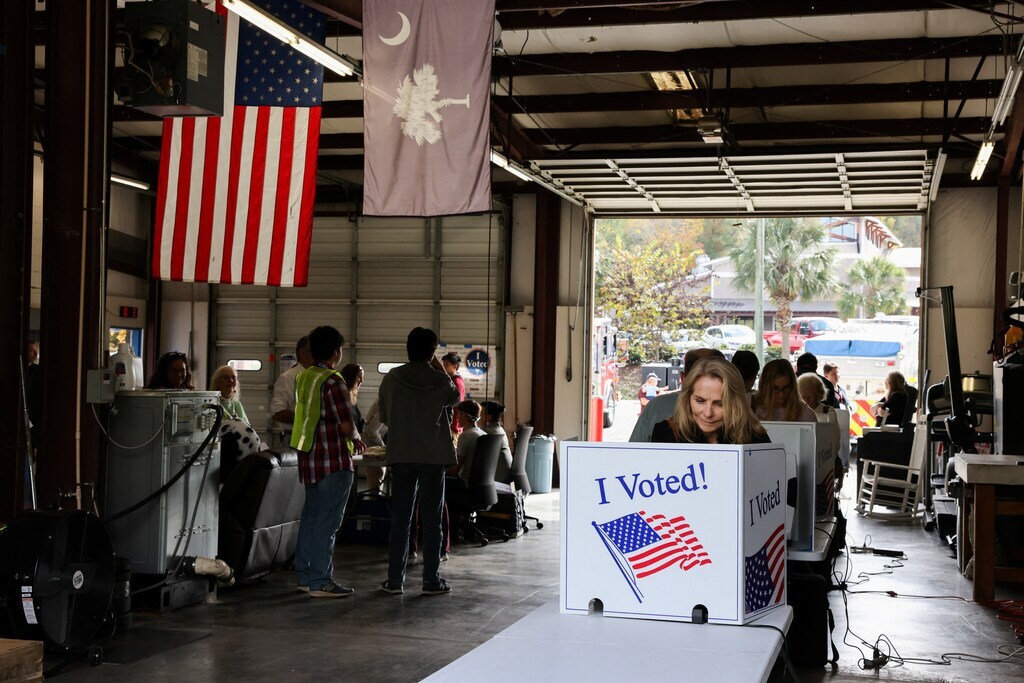
In the US, Democrats seized control of both the House and Senate in a sweeping repudiation of President Donald Trump. Preliminary estimates suggest that approximately 124 million people voted, representing 49.4% of the voting-eligible population and making this the second-highest-turnout midterm since 1914. Democrats also made significant gains in traditionally Republican territory, including the states of Kansas and South Carolina.
For Trump, the outcome is likely to make his final two years more confrontational as Democrats will be able to block or reshape legislation and use oversight to scrutinize his administration, though Trump will retain substantial executive authority. Current US foreign policy may therefore become harder to fund or sustain politically, particularly regarding military operations and international agreements. US Secretary of State Marco Rubio, however, has said that the administration’s foreign policy direction will not change.
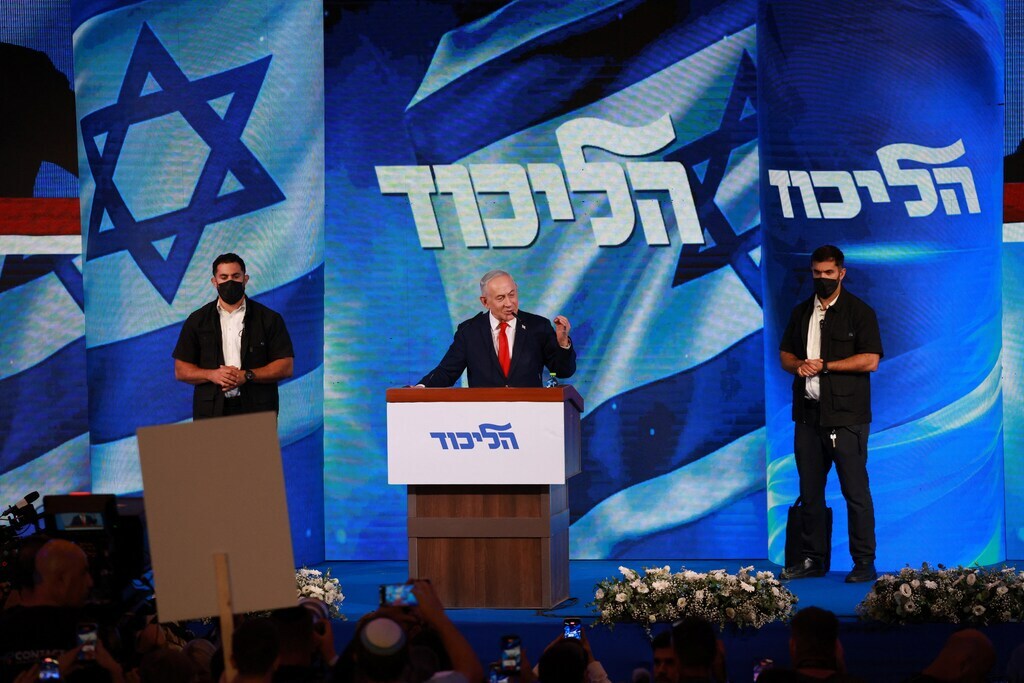
Meanwhile, in Israel, parliamentary elections pitted current Prime Minister Benjamin Netanyahu of the nationalist Likud party against Gadi Eisenkot, the leader of the centrist Yashar! Party. Yet, neither side secured a clear path to a governing majority, largely because Arab-led parties delivered a record performance, capturing almost 15% of the vote.
Netanyahu, Israel’s longest-serving prime minister, has governed the country through a period of significant security, political and social challenges, including the war in Gaza. Eisenkot served a full four-year term as military chief of staff under Netanyahu from 2015 to 2019. While positioning himself as a moderate alternative for voters, he is still expected to take a hard line on dealing with militant attacks.
The election has disrupted Israel’s political balance but not produced an alternative government, which will now depend on who can form a coalition. Under Israel’s parliamentary system, Israel's president will consult with elected parties before assigning a lawmaker the task of forming a government, making the presidency potentially decisive if no clear coalition emerges. This means smaller groupings like Arab and ultra-Orthodox parties could be decisive in the forming of a future coalition.
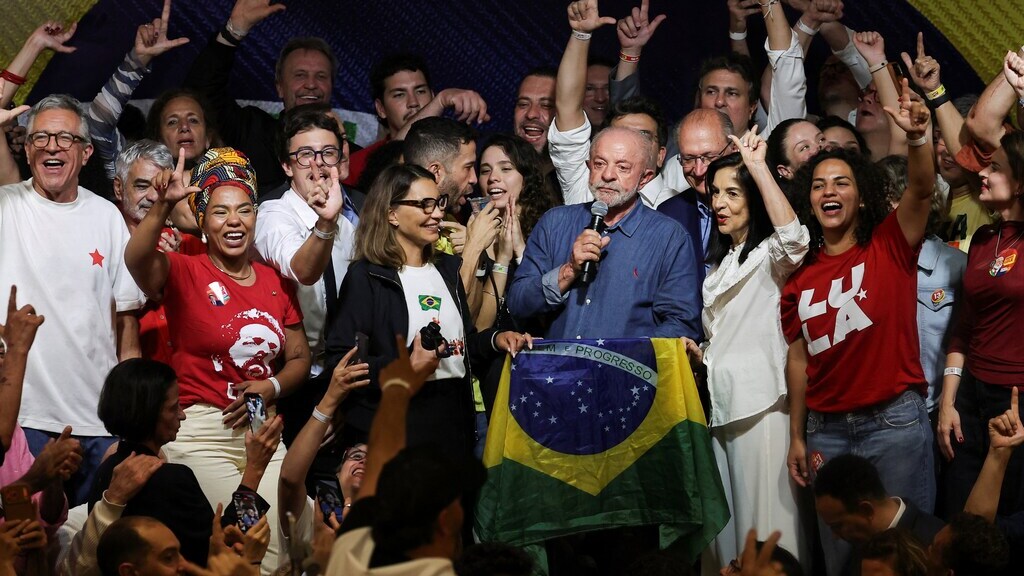
And in Brazil, Luiz Inácio Lula da Silva unexpectedly defeated his opponent, Flávio Bolsonaro, son of former populist President Jair Bolsonaro, in a run-off to retain the Brazilian presidency. Bolsonaro had won the previous voting round. The result means Brazil retains its left-led government after the Bolsonaro family attempts to regain power.
Like his father in the 2022 election, Flávio Bolsonaro has questioned the result and stated he would challenge the election. However, he has since chosen to follow in his father’s footsteps and flee to the US. For the region, this means that momentum for right-wing parties aligned with the Trump administration has slowed, though the new government is still expected to struggle to govern against a conservative Congress, rising debt and continued Bolsonaro influence.
2. Ukraine's future depends on external forces
Momentum for peace talks to end the war in Ukraine restarted as US envoy Steve Witkoff met with President Zelenskyy and European leaders before travelling to Russia to speak with Vladimir Putin.
Russia agreed to resume three-way negotiations with Washington and Kyiv in Abu Dhabi from November 10-11, after previous meetings in Geneva achieved little progress. Both sides have maintained their positions. Russia is demanding Ukrainian forces leave part of the Donetsk region it controls, and that the country curb its military and abandon its bid to join NATO. President Zelenskyy, in turn, has repeatedly demanded a ceasefire before negotiations continue.
However, Foreign Policy has argued that the pressure from Washington is increasingly on Ukraine rather than Moscow. In addition to verbal support for Putin from the US President, the Pentagon has delayed the transfer of Patriot missile interceptors to Ukraine and SpaceX has slowed its military-grade version of the Starlink satellite service that Ukraine has relied on in its defence against Russia.
The Atlantic highlighted that the next decisions regarding Ukraine will be driven by external forces, with the country itself on the sidelines of decision-making. One concern is that, following the Democrats’ victory in the US midterm elections, the Trump administration may use its remaining influence in Congress to take a tougher stance on Ukraine before losing control. Another factor is a forthcoming meeting between presidents Trump and Xi, which Vladimir Putin plans to join to discuss how to end the war. Finally, there's the G20 summit in December, where Trump is reportedly keen to have a peace deal signed.
The risk is that a rushed settlement could cement a new sphere of influence and weaken Ukraine's sovereignty while leaving the global security implications unresolved.
3. News in brief: Geopolitical developments from around the world
As the conflict between the US, Israel and Iran continues, the US military has spent more than $47 billion to date, a quarter more than the US Department of War's previous estimate. Reuters reports that $29 billion will be needed just to replenish munitions, while more than $6 billion will be required to replace military equipment. With the impact of the Iran war a key factor in the midterm elections, The Atlantic attributes the drawn-out conflict to strategic miscalculations, such as underestimating Iran's recovery capabilities and the role of Russia and China, as well as a lack of preparation to keep the Strait of Hormuz open, including alienating European allies.
Meanwhile, the UK has expanded military support for Saudi Arabia against the Houthis in Yemen. It will provide fast jets for defensive counter-air operations over the kingdom to protect cities and critical infrastructure. It will also support Saudi Arabia with transport aircraft, air-to-air refuelling support and military advisors. While the UK says the jets will not conduct strikes against the Houthis, the country's commitment further underlines that the conflict is spreading beyond Yemen's borders, raising the risk of a broader regional confrontation, especially as Egypt has also announced military assistance.
The war in Sudan further intensified with drone attacks on a market in Abyei, a border region disputed by Sudan and South Sudan. More than 150 people have been killed, with local officials blaming Sudan's military, which claimed the operation had aimed to stop fuel tankers taking supplies to the Rapid Support Forces fighting the military since 2023. International support is poorly aligned with the crisis, the African Security Analysis argues. Most of the nearly 1,600 sanctions imposed by the Security Council focused on the Darfur region when fighting and drone attacks are expanding into other Sudanese regions, with weapons for both sides coming from external supply networks.
4. More on geopolitics on Forum Stories
As governments place greater emphasis on sovereignty and resilience, international cooperation is changing rather than simply retreating. Smaller, more flexible coalitions are gaining ground, even as established multilateral institutions face mounting pressure. How can countries adapt cooperation to new national priorities while continuing to address shared challenges?
Europe’s reliance on foreign technology is raising questions about its digital sovereignty and global competitiveness. Building homegrown technology champions will require more than technological excellence: streamlined regulation, stronger growth funding and investment in computing, cloud and energy infrastructure could help European innovators scale and to close the continent's technology gap.
Geopolitical tensions and shifting trade rules are changing how businesses approach sourcing, manufacturing and market access. Preferential trade agreements can offer more than tariff savings, helping companies diversify suppliers, production locations and trade routes. A new briefing from the World Economic Forum and PwC explores how businesses can build those options before the next disruption occurs.
How the Forum helps leaders make sense of regional, trade and geopolitical shifts
The Centre for Regions, Trade and Geopolitics provides a trusted space for leaders to understand evolving trade dynamics, regional developments and geopolitical fragmentation.
By fostering dialogue across sectors and regions, the Centre helps partners navigate uncertainty and explore cooperative approaches to shared challenges.