3 affordable investments that would help people age well
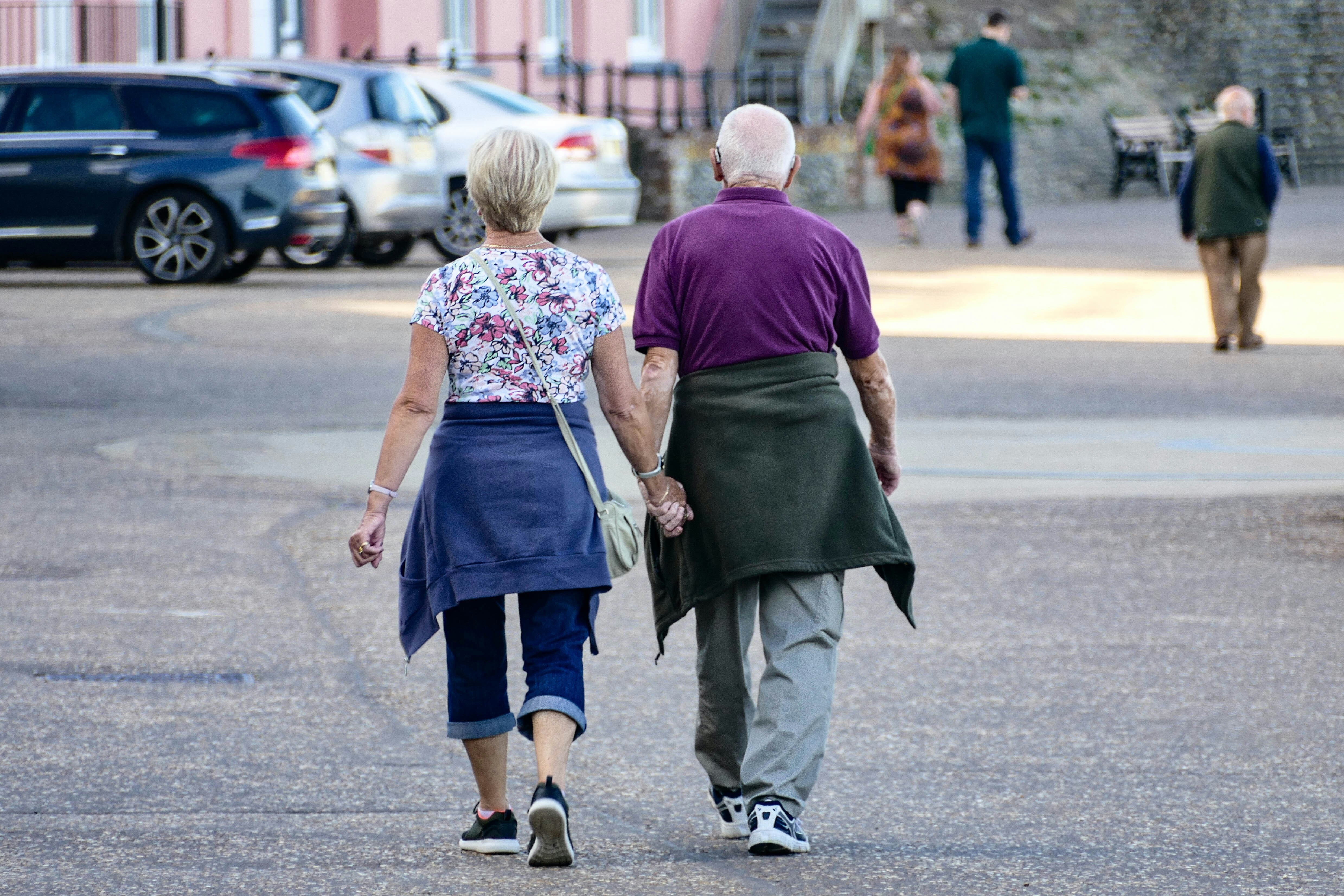
Creating the conditions for people to age well is one of the single best investments a country can make for its future. Image: Mark Timberlake/Unsplash
- Affordable preventive care interventions like fall prevention save lives and reduce health costs.
- Just two hours of weekly physical activity can prevent millions of type 2 diabetes cases worldwide.
- Addressing hearing loss protects cognitive health and helps older adults maintain independence.
Too often, we think of healthy ageing as a personal goal that falls on the shoulders of individuals. But we believe it’s one of the smartest investments we can make as a society.
When we are supported to stay healthy as we age, we stay independent longer, continue to work or volunteer, remain connected to our communities, and avoid costly healthcare. That’s good for families, and good for economies, because everyone wants to age with dignity.
Promoting healthy ageing doesn’t have to be expensive. In fact, it could be a cost-saver. A recent World Economic Forum report, The Longevity Dividend: The Business Case for Linking Health and Wealth, identifies three practical, affordable ways to help people age well: preventing falls, promoting physical activity and expanding access to hearing aids. With the world’s over-65 population set to double in the coming decades, the report offers an actionable roadmap for scaling low-cost, high-impact health interventions.
Preventing falls
Globally, falls represent one of the greatest threats to healthy ageing. In the US alone, non-fatal falls cost the healthcare system $80 billion annually, and falls are the leading cause of fatal and nonfatal injuries for older Americans. Preventing these injuries saves lives, protects independence, and frees up crucial healthcare resources.
Research from the National Council on Aging has found that investing $45 million over a decade in evidence-based falls prevention programs such as Tai Chi or A Matter of Balance can save the US health care system $1 billion. Few public health investments deliver that kind of dividend.
Since the majority of falls happen at home, sometimes the simplest improvements make the biggest difference. Grab bars, better lighting, ramps and safer walkways help people remain independent as they age while dramatically reducing the risk of a fall. We are encouraged that the newly enacted 21st Century ROAD to Housing Act provides a framework in the US for funding the installation of grab bars, handrails, lifting devices, ramps, sidewalk repairs and doorway widening – offering a practical model that other nations can adapt to support their own ageing populations.
The Florida Department of Elder Affairs has shown how this investment pays off in real time. It contracted with a Florida-based company to install grab bars, motion sensor lighting, and ramps for wheelchairs in 700 homes, at a cost of $6,000 per home. Over the past six years, this initiative has helped prevent more than 56,000 falls while increasing safety in underserved communities.
Promoting physical activity
Walking. Dancing. Swimming. Cycling. Strength training. Moving our bodies is one of the most effective – and affordable – ways to stay healthy as we age. Beyond maintaining mobility, regular exercise directly targets chronic conditions like type 2 diabetes, which currently affects over 560 million people globally and severely compromises health and independence in later life.
Creating the conditions for people to age well is not just a moral imperative – it is one of the single best investments a country can make for its future.
”Increasing moderate physical activity by just two hours a week could prevent 8.5 million new cases of type 2 diabetes worldwide by 2040. In China alone, this simple shift could prevent 3.2 million cases, alongside 1.6 million in India and nearly 260,000 in Japan. At a global implementation cost of $68 billion, this single intervention would generate over $85 billion in direct healthcare savings and unlock more than $120 billion in economic productivity as populations age.
The benefits to healthy ageing don’t stop there. Physical exercise also prevents falls because it helps people maintain or increase their strength, balance and mobility. And it promotes mental health and provides opportunities to socialize, which are especially important as we age.
Expanding access to hearing aids
Research has firmly established the link between unaddressed heading loss and dementia. And yet, while the World Health Organization estimates that over 430 million people globally require hearing rehabilitation or devices, access remains severely limited. In the US, for example, about 29 million adults who could benefit from hearing aids don’t have them.
Hearing aids help us maintain social connections and independence, which saves money by avoiding costly assisted living and nursing homes. But today, they are still too expensive for millions of older adults with limited incomes.
In the US, the recent introduction of government‑regulated over‑the‑counter hearing aids is a major step forward. However, many consumers still don’t know these lower‑cost options exist. Increasing public awareness, simplifying product comparisons, and offering trusted guidance can help older adults choose devices that meet their needs at a fraction of the traditional cost.
Insurance coverage is also critical. In the US, Medicare covers diagnostic hearing exams, but expanding coverage to include hearing aids themselves would make these devices far more affordable. These systemic changes would help ensure that hearing aids are treated as essential health tools rather than luxury products.
Making healthy ageing a public priority
These solutions may not be flashy. But we know they work, and they are easy to implement and scale.
At the National Council on Aging, our work in the United States demonstrates that expanding access to these simple interventions requires deliberate coordination between national and local governments, community organizations and the private sector. While implementation details will naturally vary across regions, the underlying principle remains universal: investing in preventative care for older adults reduces the long-term strain on healthcare infrastructure and yields substantial economic returns.
Ageing is living. Creating the conditions for people to age well is not just a moral imperative – it is one of the single best investments a country can make for its future.
Don't miss any update on this topic
Create a free account and access your personalized content collection with our latest publications and analyses.
License and Republishing
World Economic Forum articles may be republished in accordance with the Creative Commons Attribution-NonCommercial-NoDerivatives 4.0 International Public License, and in accordance with our Terms of Use.
The views expressed in this article are those of the author alone and not the World Economic Forum.
Stay up to date:
Longevity Economy


Forum Stories newsletter
Bringing you weekly curated insights and analysis on the global issues that matter.
More on Health and Healthcare SystemsSee all

Jan-Willem Scheijgrond and Hervé Balzano
September 28, 2026


