From conflict zones to climate disasters, nurses form the backbone of global health security. Yet chronic underfunding, severe shortages and rising violence threaten the profession.
Imagine trying to save lives when the streets and clinics are buried under mud. Or treating survivors rescued from the rubble without knowing whether your own family is safe. From the earthquakes in Venezuela to the flash floods in Nepal and Tibet, healthcare workers have faced disasters of devastating force and unimaginable suffering in 2026. At a time of growing tensions, they are also the target of increasingly frequent attacks in conflict and crisis zones around the world.
When a disaster strikes, a war breaks out or an epidemic emerges, a country’s resilience depends largely on its healthcare workforce. And no healthcare workforce is more crucial than the nursing profession.
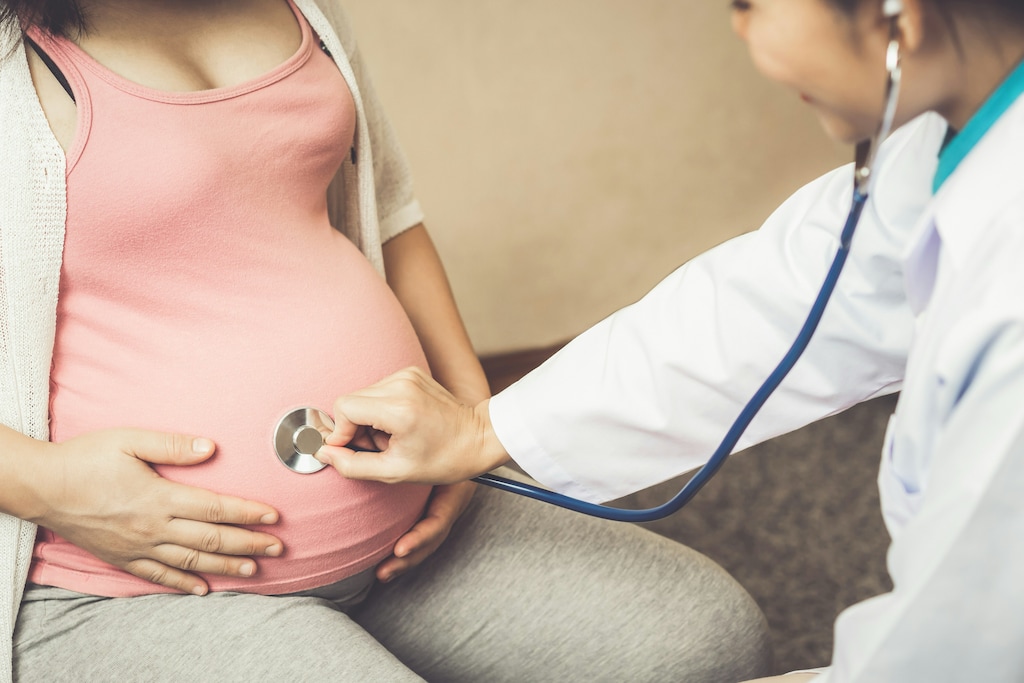
The nursing profession is the largest health workforce in the world, comprising around 30 million people worldwide. Embedded within their communities, nurses form the backbone of the response to disasters, from providing emergency care and psychological support to leading teams and planning protocols. And wherever there is conflict, nurses uphold the principles of humanity, neutrality and impartiality that make healthcare possible even in the most complex settings, helping to preserve social cohesion.
A global shortage by design
But there's a problem.
Firstly, there is a global shortfall of at least 5.8 million nurses, with one recent measure putting the figure as high as 23.9 million. The world often speaks of this shortage as if it were inevitable. It is not. It is the result of decades of underfunding, inadequate planning and a persistent failure to recognize the strategic value of this profession. This is not merely a labour crisis; it is a threat to global health security, social stability and economic resilience.
Adding to the challenge, some high-income countries continue to rely on international recruitment to fill the gap. We strongly uphold the right of every nurse to seek opportunities beyond their national borders. However, professional mobility must not become a systematic transfer of talent from the most fragile health systems to the wealthiest ones. The sustainability of the healthcare workforce is a shared responsibility.
Hostility, burnout and escalating violence
Secondly, nurses face poor working conditions. Staff shortages, untenable workloads and burnout are grim bedfellows. In a global survey of 68 National Nursing Associations (NNAs), almost two-thirds of respondents reported that demands on nurses had increased since 2021, when the Covid pandemic was ongoing, while almost 40% judged their country’s capacity to meet healthcare needs as poor or very poor. In this context, it’s little wonder that nursing interest among 15-year-olds is declining in OECD countries, creating a pipeline problem at precisely the moment when nurses are increasingly leaving the profession and the ageing global population will need more care.
Poor conditions also include a shocking prevalence of violence. Some 86.2% of surveyed NNAs reported that nurses had experienced violence or hostility from patients or the public, while we are seeing increasing attacks on health workers in conflict and crisis zones. In October, a nurse was killed while responding to an Ebola alert in DRC. An ICN Nurses for Peace report documented 2,546 attacks on health workers in 2025, with 455 killed and 218 kidnapped. In 2026, the WHO registered 900 attacks on health workers between January and August, in places including Ukraine, Lebanon, South Sudan and Nigeria. Attacking health workers is an egregious attack on our common humanity. ICN calls for respect for the Geneva Conventions, humanitarian access and accountability for violations.
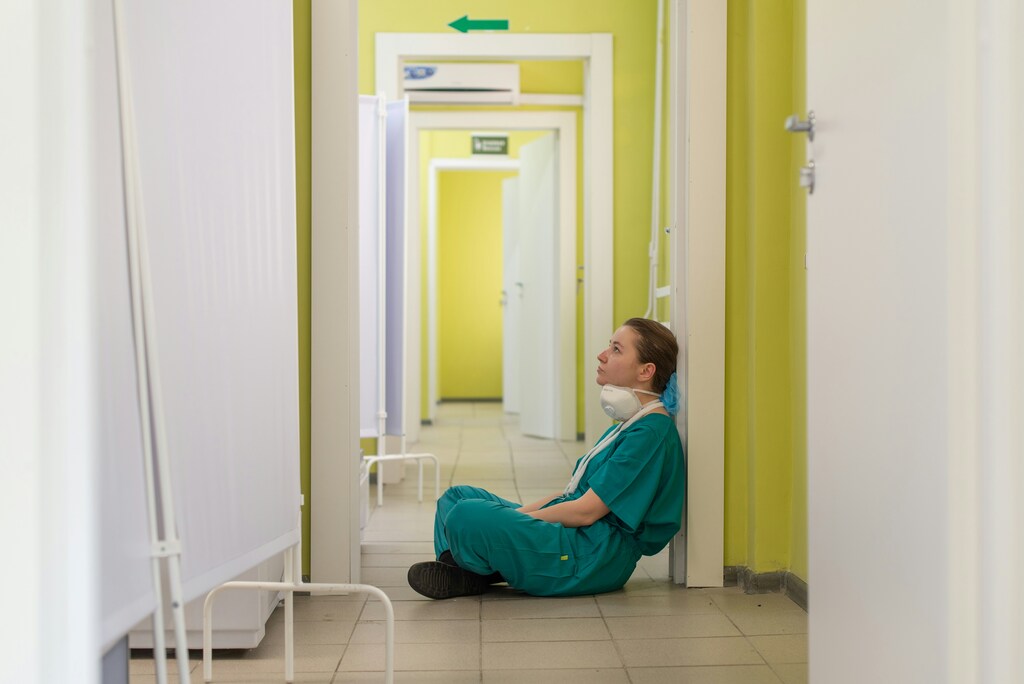
A nurse who has risked their life to care for people in a conflict zone should not also have to contend with back-to-back shifts, a lack of mental health support and burnout. But that is precisely what is happening, as over-stretched nurses labour unseen in the fault lines of our fragile world.
Investing in nurses is investing in resilience
I believe the time has come to value nurses, invest in them, empower them as leaders and fully integrate them into health decision-making. Doing so will create a positive domino effect, strengthening health systems and building more prosperous and resilient societies. Nursing-led care models have been shown to be cost-effective and beneficial to health, from India to the United States. Globally, closing the healthcare worker gap could eliminate 7% of the global burden of disease and contribute 1.1 trillion dollars to the global economy. Richer countries are, by their very nature, better able to withstand disasters: the World Bank notes that, for the poorest countries, the death toll from a disaster can be six times higher, and the economic damage persists for decades, whilst high-income countries recover quickly.
Peace and health are inseparable. So too are health and wealth. We stand at a crossroads: between accepting fragility and building resilience. Failing to support the advancement of nursing means squandering an extraordinary opportunity to improve the health of communities and society as a whole. This is the true power of nursing.
All too often, investment in nursing is still viewed as a cost. In reality, it is an investment in human capital, economic productivity and social stability. Countries that invest in their healthcare workforce not only improve the health of their populations; they strengthen their capacity to withstand crises, sustain economic activity and safeguard development.
In an era marked by protracted conflicts, extreme weather events, mass displacement and growing inequalities, nurses represent one of the wisest investments governments can make. They are essential to health, fundamental to resilience and decisive for prosperity.
The strength of our health systems, our economies and our societies will depend largely on the decisions we make today regarding nursing. As president of the International Council of Nurses, I see every day the transformative impact that nurses have on communities around the world. I also see the price we pay when we fail to support them. The real question is not whether the world can afford to invest more in nursing. The question is whether it can afford not to.