At Pre-COP31 in Fiji and Tuvalu, the Pacific showed the world what urgency looks like in addressing the serious health impacts of the climate crisis. COP31 must follow suit and deliver for people and the planet
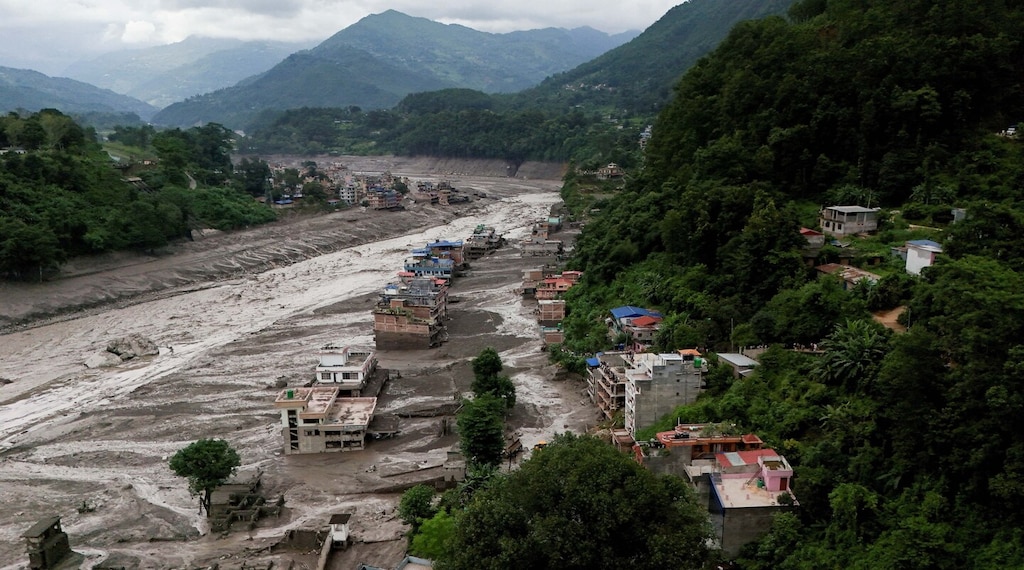
This year, the world witnessed devastating floods from a rock-ice avalanche and glacier collapse in Nepal, while Western Europe experienced its warmest summer on record. The loss of life was immense.
Also this year, super-typhoon Sinlaku tore through the Federated States of Micronesia, damaging or destroying many health dispensaries and contaminating drinking water on the worst-hit islands. Fallen trees blocked one mother’s road to hospital while she was in labour. Her baby did not survive.
From country to country, region to region, we may weather the same storm, but we are not in the same boat. For the Pacific island nations, who collectively account for less than 0.03% of global emissions, climate change is already a health emergency.
Rising seas push salt into the wells families drink from and the soil where food is grown, turning drinking water into a slow poison for pregnant women and their unborn babies. Land that once fed generations is turning barren. Over 60% of hospitals reviewed in 14 countries sit within 500 metres of the sea or a river, placing critical infrastructure on the frontlines of climate change.
The Pacific has not waited for the rest of the world to act. At Pre-COP31 in Fiji and Tuvalu in early October, leaders brought a shared position on keeping 1.5°C within reach, protecting the ocean and unlocking finance, including their own money: Fiji pledged $10 million and Solomon Islands $1.1 million to the Pacific Resilience Facility. COP31 President Murat Kurum warned that promises do not hold back the sea or shield homes from the fire: “Only delivery can save us.”
Pacific countries have long been leading the way, turning climate-health solutions into more resilient communities.
Across Kiribati, Solomon Islands, Tuvalu and Vanuatu, WHO and UNDP are working with ministries of health and other stakeholders to make hospitals more climate-resilient and to build health early-warning systems. In Vanuatu, the health ministry has rebuilt two health centres on Santo with cyclone-resistant roofs, serving about 9,000 community members. In Tuvalu, the government-led Coastal Adaptation Project, implemented with UNDP and partners, has created more than 15 hectares of elevated land on Funafuti, designed to remain above projected sea levels beyond 2100. That means flood-safe ground for homes and essential services alike.
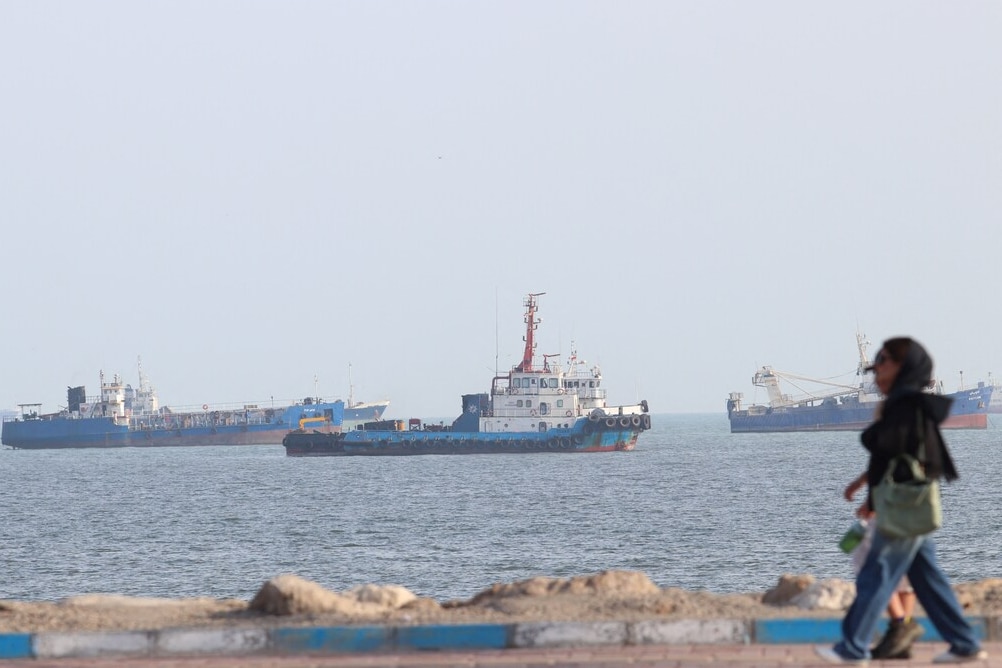
The same commitment extends to energy. Pacific ministers have long been committed to a fully renewable, fossil-fuel-free region but have not yet been able to break the dependency on diesel that still generates 80 to 95% of grid power in four Pacific countries. This year’s oil shock was a particularly strong reminder how fragile energy security is in the sub-region and that the energy transition takes time and continued investments, with some countries left with just 20 days of fuel. When fuel runs out, so does power for vaccine fridges and night-time births.
There are signs of hope, however. In Solomon Islands, where only one in six people have grid power, solar power installed at seven clinics with WHO and Japan’s support means health workers who previously relied on torches and kerosene lamps can now attend emergency procedures and births in well-lit rooms. The challenge now is scale. At a dialogue WHO and UNDP convened in Nadi on powering the Pacific, the evidence was stark: Some 1.5 million Pacific Islanders still lack grid power, and pooling small projects into larger portfolios could unlock the finance to reach them.
But Pacific leadership cannot substitute for a functional global system. Official development assistance is projected to fall for a third consecutive year in 2026, with health facing the steepest sectoral cuts, falling to its lowest in almost two decades. At the same time, reported international commitments for climate and health rose from less than US$1 billion in 2018 to US$7.1 billion in 2022. The challenge is not simply increasing commitment in international climate finance, but ensuring that countries can quickly access this finance at scale to make a difference to communities on the ground.
Following the Pacific’s lead, three practical shifts can accelerate delivery:
First, invest in country-led priorities and the people who deliver them. International partners must align behind national and community priorities, strengthening the workforce and institutions needed to turn plans into action. Across the Pacific, capacity constraints remain significant: More than 1,000 nurses left five Pacific countries in a single year, while understaffed ministries continue to navigate complex financing requirements alongside essential service delivery.
Second, make climate finance faster and easier to access. As Cook Islands Prime Minister Mark Brown told Pre-COP31, urgency “is a two-way street”. Funders must publish clear decision timelines, eliminate duplicate paperwork and prioritize grants where additional debt would undermine resilience. They should also support the Access to Finance Statement and Action Plan launched at Pre-COP31 and turn Pacific Resilience Facility pledges into contributions towards its $500 million target while supporting countries in designing investment-ready projects.
Third, we must continue to strengthen multilateralism. The international community has invested in building a multilateral system precisely to address complex challenges that cross borders. Now is not the time to retreat from that system, but to strengthen it further – ensuring it responds with the urgency, coordination and effectiveness that this crisis demands.
COP31 in Antalya, Türkiye, opens on 9 November with a dedicated Health Day – an opportunity for global focus on the health impacts of the climate crisis. The test is whether promises become hospitals that withstand the next cyclone, children who can access life-saving treatment, and health workers who can reach communities cut off by floods.
The Pacific has shown the world what unity and urgency look like. Now the world must answer.