The world has ambitious goals to tackle climate change and protect nature, but delivering on them remains a challenge. As COP31 approaches, new UN findings reveal just how much work lies ahead.
1. COP31 approaches as UN warns of 2.8°C warming
The world could warm by 2.8°C this century if current climate policies continue, according to the UN Environment Programme's (UNEP) latest Emissions Gap Report. Even if countries fully implement their current climate pledges, warming could reach 2.6°C.
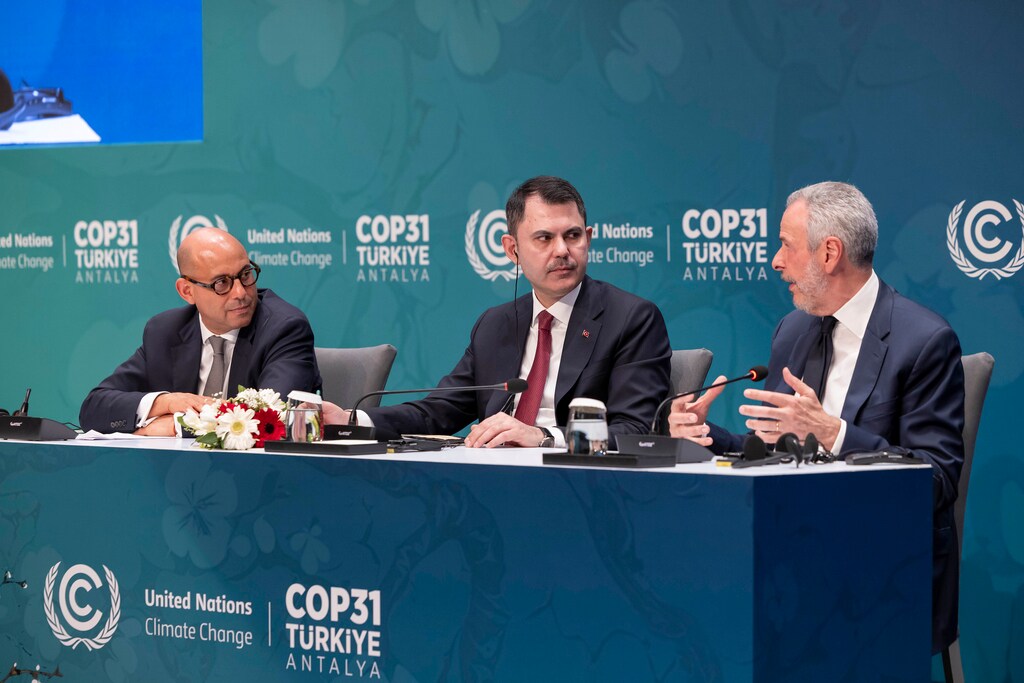
The findings come ahead of the UN Climate Change Conference (COP31), taking place in Antalya, Türkiye, from 9 to 20 November, where governments will discuss how to accelerate emissions reductions, adaptation and climate finance.
The report, The Point of Return, warns that exceeding the Paris Agreement's 1.5°C warming threshold is now unavoidable. But how far and for how long temperatures rise above that level depends on the action taken today.
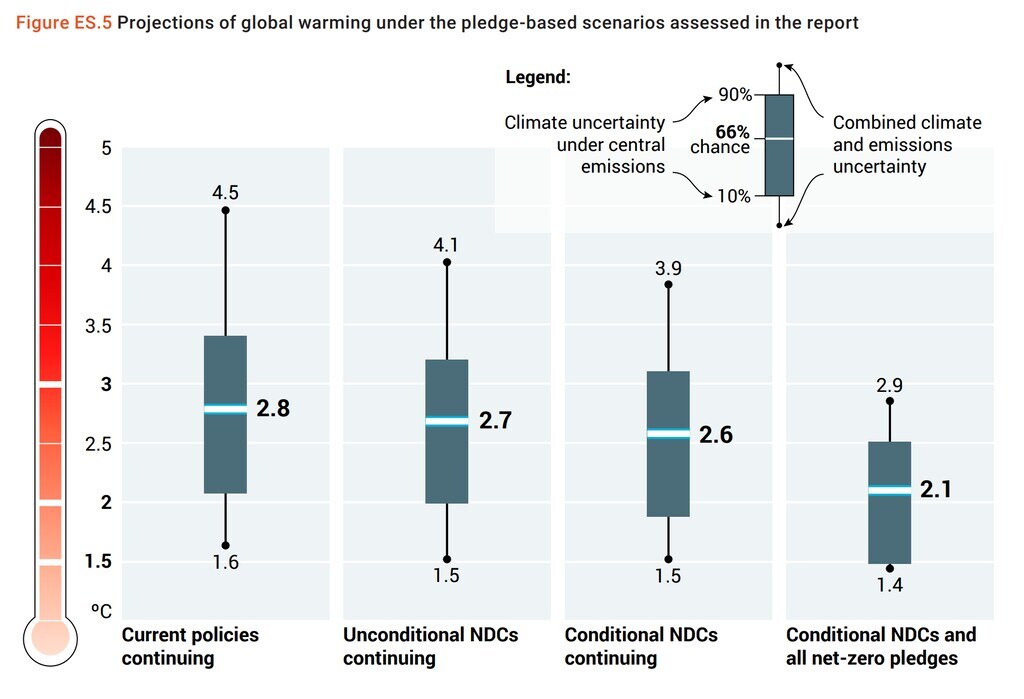
The scale of the challenge is significant. To achieve this pathway, global greenhouse gas emissions would need to fall by 18% by 2030, 45% by 2035 and 69% by 2040, compared with 2025 levels. By contrast, fully implementing current national climate pledges would cut emissions by just 11-15% by 2035.
For delegates at COP31, the question is how to accelerate recent progress. New UN climate assessments show governments are increasingly integrating climate action into economic planning, but significant gaps remain between national commitments and the action needed to meet global temperature goals.

2. Countries agree new biodiversity action plan at COP17
Governments have agreed a new plan to accelerate nature protection following the UN Biodiversity Conference (COP17) in Yerevan, Armenia.
The agreement comes after the first global review of progress under the Kunming-Montreal Global Biodiversity Framework found the world is off track to meet its 23 biodiversity targets by 2030.
Adopted at the conclusion of the summit on 31 October, the ‘Yerevan Pathway’ calls for faster implementation of national biodiversity plans, reforms to subsidies and other incentives that harm nature, as well as providing greater financial and technical support for developing countries.
The framework includes commitments to conserve 30% of the world's land and waters and bring at least 30% of degraded ecosystems under effective restoration by 2030. Nearly $2 billion in new biodiversity funding was announced during the conference.
But significant financing gaps remain, with countries facing pressure to turn their commitments into measurable improvements for nature.
3. News in brief: Other top nature and climate stories
Greenhouse gases reach record highs: Global atmospheric carbon dioxide concentrations reached 426.8 parts per million in 2025, around 53% above pre-industrial levels, according to a new World Meteorological Organization report. Methane and nitrous oxide concentrations also hit records, locking in further long-term warming.
Heat-related deaths rise as climate risks grow: Average annual heat-related deaths increased by nearly 36% in the decade following the Paris Agreement compared with the previous decade, according to the 2026 Lancet Countdown report. The study estimates that heat contributed to 710,000 deaths globally in 2023, with more than 70% attributable to human-caused climate change.
Amazon rainforest deforestation falls to record low: Deforestation in Brazil's Amazon rainforest fell by 42% in the year to July 2026, reaching its lowest level on record, according to official figures reported by Reuters. Around 3,335 square kilometres of forest were lost, highlighting progress in reducing deforestation, although forest protection remains a long-term challenge.
UN calls for stronger ocean carbon monitoring: The ocean absorbs around 30% of human-caused carbon dioxide emissions and 90% of excess heat, but warming and environmental degradation are putting these processes under pressure. A new UN report calls for greater investment in ocean monitoring, modelling and data to support climate action and responsible ocean-based solutions.
New funding for climate-resilient agriculture: The Green Climate Fund has approved two FAO-supported projects worth $184.8 million in Algeria and Mexico. The initiatives will support sustainable forest management, land restoration and climate-resilient agriculture, with more than one million people expected to benefit.
Climate adaptation plans face funding barriers: A new UN Climate Change assessment finds that 81 developing countries have submitted national adaptation plans, but many face difficulties securing finance and putting them into practice. The report calls attention to the gap between planning and implementation ahead of COP31.
4. More on the nature and climate crisis from Forum Stories
How can blue finance support a sustainable ocean economy? The ocean supports more than 100 million jobs worldwide, yet many sustainable ocean projects struggle to attract investment. A new WEF report, Catalytic Blue Finance, explores how innovative financing models and partnerships could unlock commercial capital for ocean-related businesses, infrastructure and nature-based solutions. Read this article to learn how investment can support ocean health and economic prosperity.
Why are Indigenous Peoples still underfunded for protecting nature? Indigenous Peoples protect and manage vast areas of land critical to biodiversity and climate stability, but receive only a small share of conservation funding. This article explores why funding often fails to reach the communities safeguarding these ecosystems and how more direct, locally led finance could improve conservation outcomes.
How can agriculture adapt to a warming world? Climate extremes and water shortages are testing global food systems, even as technological innovation creates new opportunities. Explore four shifts needed to make agricultural innovation more resilient and inclusive, from combining technologies with better policies to building food systems that can adapt to uncertainty.
How the Forum helps leaders align climate action with nature-positive growth
The Centre for Nature and Climate helps leaders make sense of the interconnections between climate, nature and economic development. It provides a platform to explore pathways that support resilience and prosperity within planetary boundaries.
By enabling cooperation across sectors and regions, the Centre supports partners in translating shared understanding into practical climate and nature solutions.