A new Forum publication picks 10 technologies that could help countries cut emissions and reduce their exposure to energy shocks.
Over the past four years, energy shortages and price spikes have exposed the vulnerability of countries heavily reliant on fossil fuels, forcing governments and companies to rethink where their power comes from.
At a corn-processing plant on Hungary’s Great Plain, part of the answer is a tank of salt.
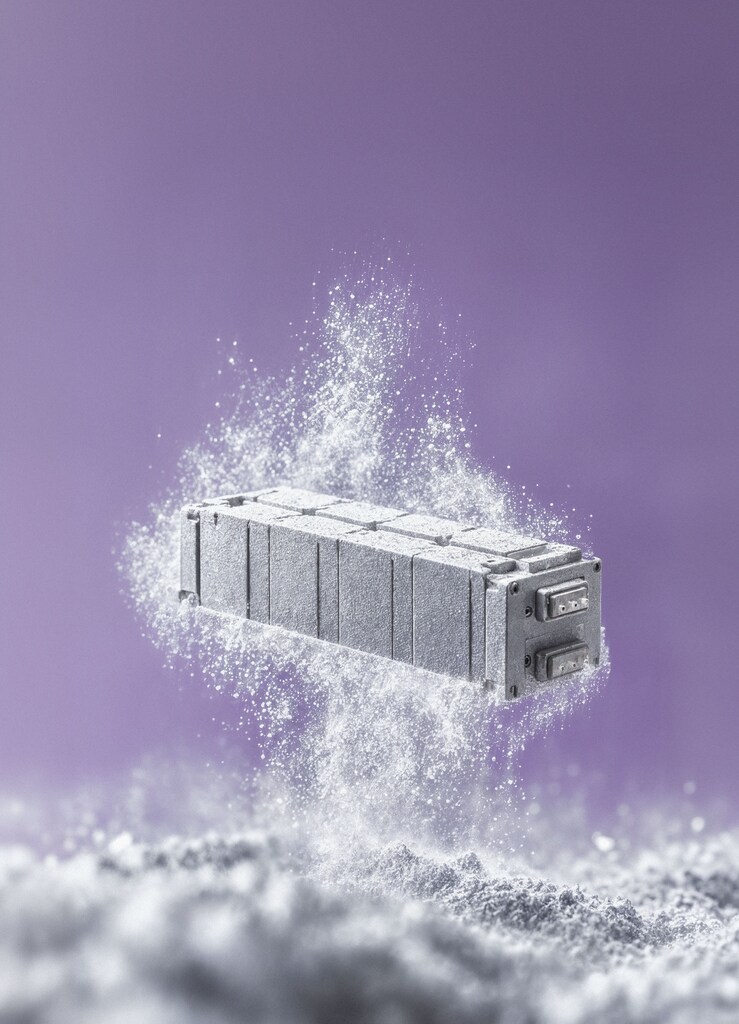
KALL Ingredients, in Tiszapüspöki, can heat its production line with biomass, natural gas or a Heatcube – a tank of molten salt that stores electricity as heat. The Heatcube charges when power is cheap and plentiful, then releases the stored heat as steam when needed, at a lower cost than gas.
This plug-and-play system is designed to supply more than 30 gigawatt-hours of heat and cut up to 8,000 tonnes of carbon dioxide (CO2) emissions a year.
“Sustainability is central to our operations,” says Maarten Welten, managing director of KALL Ingredients. The Heatcube offers “a stable and cost-effective supply of clean process heat, helping us reduce energy costs and move towards full reliance on renewable energy,” he adds.
Morten Bülow, chief executive of Kyoto Group, the Norwegian developer of the Heatcube, says demand for such solutions is growing. Businesses still want to cut emissions but also need reliable, affordable energy. The Heatcube addresses both. “If you can kill two birds with one stone, you also get higher security of supply,” says Bülow.
It can also help the grid work better, Bülow argues, by shifting electricity consumption to quieter, cheaper periods. “What we would like to do is use the nighttime, and stay off the road in the daytime, when prices are high and the roads are busy.”
Why energy security is changing the case for clean energy
The World Economic Forum's (WEF) Top 10 Emerging Technologies for Planetary Health: Energy Edition picks 10 technologies it says could ease pressure on the planet and make energy systems more reliable.
All 10 solutions, developed with Frontiers and chosen by an 18-member committee of experts from 10 countries and six regions, have a credible path to deployment by 2030.
We have grouped the 10 by their role in the energy system, covering generation, storage, grid coordination and building. The report sorts them differently, by the bottleneck each addresses.
Some replace a scarce material with a common one, and others close the gap between when the grid generates power and when it is needed.
These technologies cannot be pulled apart. “Power systems are systems,” says Doug Arent, a senior fellow at the World Resources Institute and a committee member. “All the different components need to advance and the grid itself, which connects them, also needs to advance.”
For Ann Mettler, president of Catalyse Europe and a former head of the European Commission’s in-house think tank, recent shocks have changed the logic of the transition. After the 2022 gas shortages, Europe diversified its fossil fuel supplies but largely preserved the existing system.
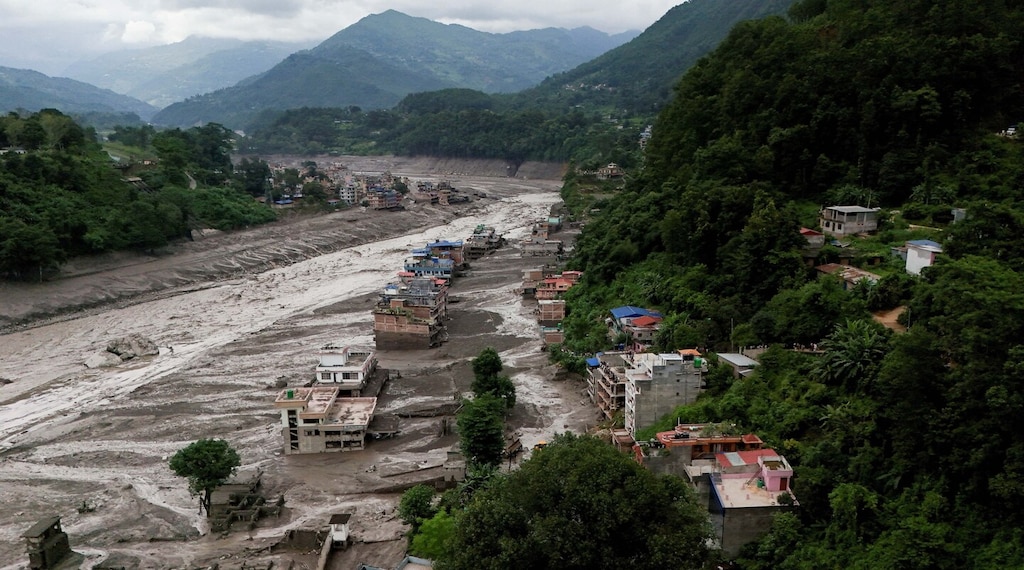
In 2026, war in the Middle East disrupted oil and gas flows through the Strait of Hormuz, triggering what the IEA called the largest supply disruption in history. The case for clean energy now rests on security, sovereignty and cost, Mettler argues: “These technologies provide the alternative.”
The emerging technologies changing how we generate, store and use energy
On generation, the report highlights technologies that produce more energy from clean sources. Conventional silicon solar cells can convert no more than about 29% of sunlight into electricity in theory. Tandem cells add a thin layer of perovskite on top and can break that limit without needing more land. The report puts their realistic ceiling at 42–43%, but the panels must still prove they last about 25 years outdoors, longer than today’s ageing tests can confirm.
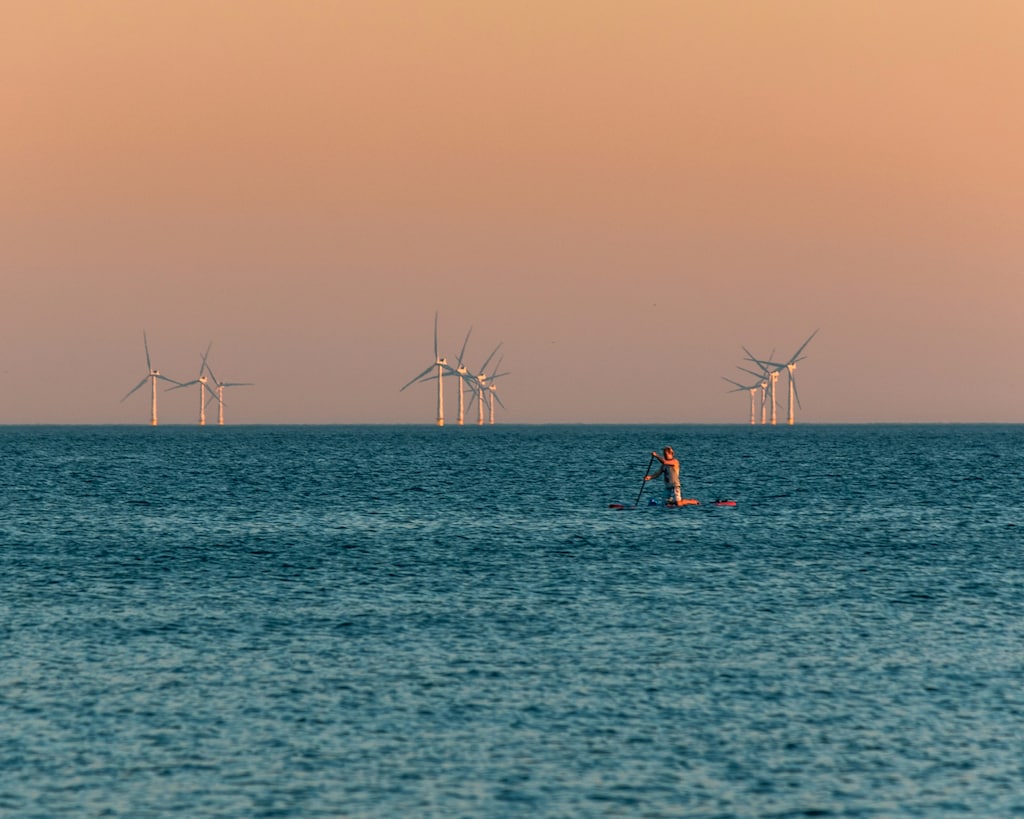
Floating offshore wind reaches deep waters where fixed turbines cannot go, unlocking some 80% of the world’s offshore wind resource, according to the Global Wind Energy Council. It costs roughly 1.5 to 2 times as much as fixed-bottom wind today, with forecasts of the two converging by around 2030 to 2032 if platform designs are standardised. Modular nuclear reactors offer round-the-clock clean power using standard factory parts, with the promise of cheaper production as it scales.
On storage, the report foregrounds a crucial mismatch: as wind and solar spread, hours of nearly free power have become common. Storage captures that surplus for use when needed through industrial heat batteries, such as the Heatcube, batteries built from sodium, zinc or iron, and next-generation lithium batteries with greater energy density.
However, the report warns, dependencies can shift rather than disappear. Almost all sodium-ion cells are still made in China, and relying on a single supplier carries some of the same risks as relying on imported fuel.
For grid connections, the report highlights subsea high-voltage cables that move electricity from areas of surplus to those in need.
Viking Link opened in late 2023, connecting Denmark and England beneath the North Sea to balance supply and demand. Tunisia and Italy have also contracted the first subsea cable between Europe and North Africa, potentially bringing Tunisian solar power to European markets. The report also flags the risk. A damaged cable or converter station can take a large amount of power offline, and repair ships and replacement equipment are limited.
Virtual power plants coordinate the grid from the other end, linking batteries, electric-vehicle chargers and smart thermostats so operators can draw on them collectively, rather than relying on extra power stations. “If you aggregate tens of thousands or millions of them, you get to the size of those large power stations,” Arent says. Octopus Energy in Britain runs a prominent example, while US company Voltus has agreed to supply Google with up to a gigawatt of capacity this way.
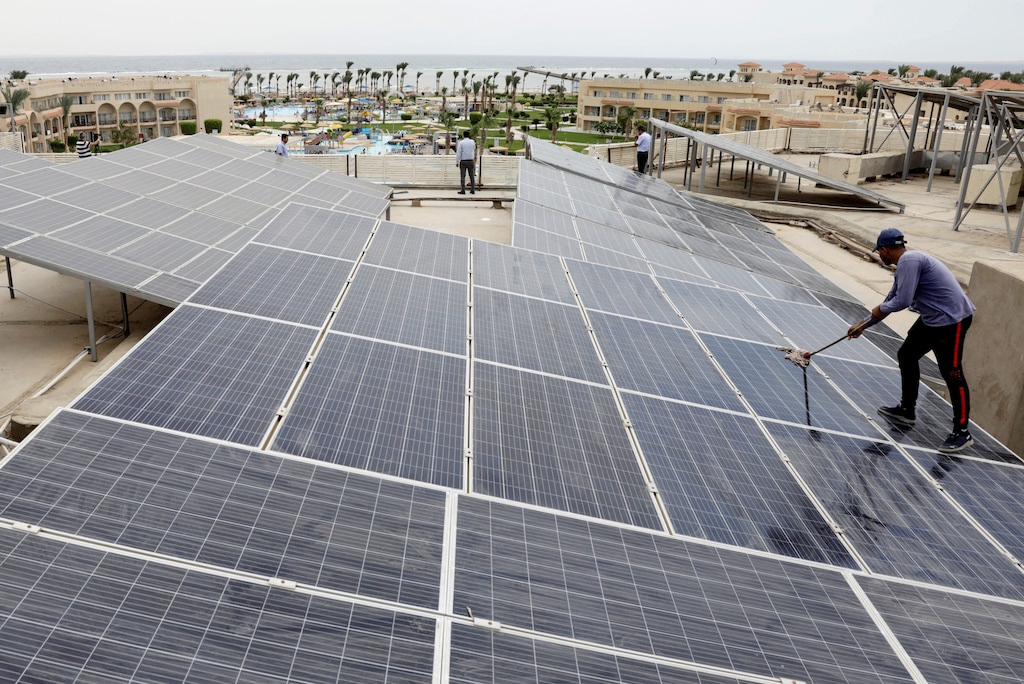
The report also highlights technologies that turn buildings into power sources. Building-integrated photovoltaics incorporate solar panels into roofs, façades and windows, as seen at London’s King’s Cross station and Copenhagen International School, whose façade features 12,000 panels. The opportunity is large because cities occupy just 2–3% of the world’s land but account for 70–80% of its energy use. The report adds a financial catch. Only 13% of these projects make sense on electricity savings alone, rising to 62% once the roofing or cladding they replace is counted as a saving.
Finally, the report looks at lower-carbon cement, a priority given that the material accounts for around 8% of global CO2 emissions. Calcined-clay limestone cement (LC3) replaces up to about half of the clinker, cement’s most carbon-intensive ingredient, with clay heated at a lower temperature and finely ground limestone. The report says this can cut emissions by up to 40%.
In Colombia, Cementos Argos supplied around 4,650 tonnes for DAVIarena, a new events venue near Medellín, avoiding an estimated 1,200 tonnes of CO2 emissions across the cement and concrete used, according to the company.
How lower-carbon cement can make construction more sustainable
For María Isabel Cárdenas, Argos’ sustainability senior director, the technologies that last are those that deliver on every front. “We work across three dimensions: environmental, social and, of course, economic,” she says. “We know that long-term sustainability also depends on economic viability. Without it, even solutions with strong environmental and social benefits can be difficult to sustain over time.”
Many routes to cleaner cement, such as capturing carbon at the plant, are scientifically proven but not yet commercial, she adds, especially in countries without Europe’s subsidies and research support. Calcined clay, by contrast, is “more applicable, closer to hand” and delivers a cement that is “strong, durable” and fit for purpose.
Argos has made calcined clay cement at its Rio Claro plant since about 2020. The site pulls three levers that Carlos Augusto Orozco, Argos’ cementitious solutions R&D manager, considers “key” for the industry, namely volume, logistics and quality. The plant sits next to a viable clay deposit in Colombia’s Central Cordillera, far from the ports and coal plants that supply alternatives such as slag and fly ash.
Clay is found across much of the world, especially near the Equator, putting the technology within reach of many fast-growing economies in Africa, South Asia and Latin America, where much of the world’s future construction will happen. But its success depends on investment in calcination plants and a mindset shift among concrete producers, in what Orozco describes as “a very conservative” industry.
Other challenges remain. Low-carbon cement “has never had a chance to prove itself”, says Mettler, and policymakers are wary of approving materials whose performance over decades is not yet known. The report notes that LC3 has already outperformed ordinary Portland cement in early strength tests, but that testing and buyer confidence remain key bottlenecks.
Who gets the benefits
The report also tests each technology on who benefits, and the answer is rarely everyone.
A solar façade can lower a building’s electricity bill, but tenants will not see their share of the savings unless a lease or regulation distributes them. An offshore wind farm may create jobs, but they will not necessarily go to the fishing communities that use those waters unless local hiring is built into the contract.
Cheaper cement does not automatically mean cheaper housing either, because savings may not pass down the value chain.
What policy and investment still need to do
China, Mettler argues, saw the link between energy and security early. Like Europe, it has few oil and gas reserves of its own, so it treated the energy transition as a matter of security and sovereignty as much as climate, conceiving it as a system rather than a collection of technologies.
Policy is beginning to follow suit elsewhere. The European Commission’s Electrification Action Plan proposes cutting network charges for industrial users who shift consumption to off-peak hours, narrowing the price gap that has long favoured gas.
In Brazil, net metering helped unlock more than 50 gigawatts of small-scale solar, much of it rooftop, according to the Brazilian Solar Photovoltaic Energy Association (ABSOLAR). In Colombia, the cement standard sets performance targets rather than fixed recipes, says Orozco, so producers can use as much clay as they like, as long as the cement performs.
Mettler argues that governments also need better evidence. Most energy systems, she says, are “unbelievably unproductive.” She proposes a new measure, resource productivity, to assess how effectively countries use existing infrastructure. She also calls for “a circular economy but on steroids” to recover and reuse critical materials and reduce import dependence.
Habits may be the final barrier, for businesses and consumers alike. “If you go to a regular factory that’s been running on gas for the last 100 years, nobody thinks there’s any alternative,” says Bülow. Homebuyers, Cárdenas adds, focus on a house’s appearance and location, “but not necessarily on the attributes of its materials.”
Yet the choice between clean and cheap energy is getting less stark. Several of these technologies could lower costs as well as emissions, though none is guaranteed to. The question now is whether policy can keep up.