After 26 years, the US can no longer claim to be free of measles following the continuing spread of the virus, while WHO and UNICEF are joining forces to tackle the global obesity issue. Read about these stories and more in this month’s round-up of top health news from around the world.
1. US declared no longer measles-free
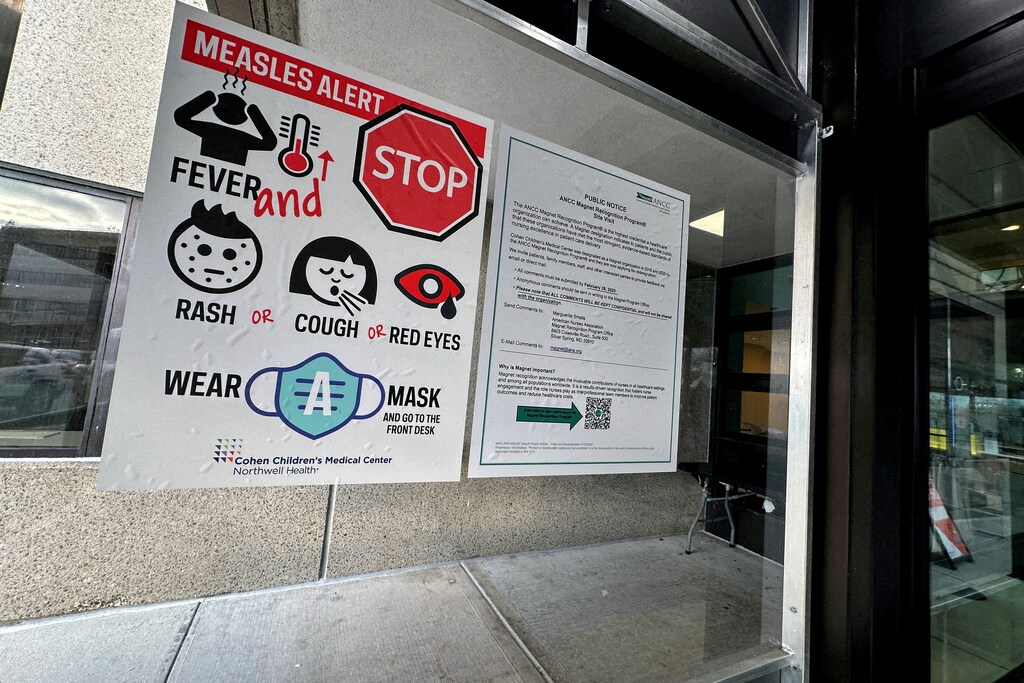
In a not-unexpected blow to the US, the country has lost its long-standing status of being free from the measles virus. Bolivia and Mexico have also lost their measles elimination status, the Pan American Health Organization (PAHO) announced on 17 November.
The ruling “formalizes what was already plainly visible. The US has lost the ability to control measles," Dr Amesh Adalja, an infectious disease expert at the Johns Hopkins University Center for Health Security, told Reuters.
Measles cases in the US have been on the increase in the past few years, with more than 2,200 cases recorded in 2025 and over 5,400 registered so far this year. This is compared to 59 cases in 2023 and 285 in 2024. Over 90% of the cases involve people who are unvaccinated, or their vaccination status is unknown, reports Science News.
The affected countries will now need to prove that no one has caught measles within their borders for a full year in order to regain their measles-free status. To do so will require a huge turnaround in vaccination numbers, with 95% coverage required for herd immunity – as the chart above shows, coverage stood at 75% across the Americas in 2023. In response, the US Centers for Disease Control and Prevention said it had invested $100 million in vaccination programmes.

2. WHO and UNICEF join forces to tackle global obesity issue
More than 20 countries, led by Spain, have committed to a 5% reduction in national obesity rates by 2030, in a global call to action launched jointly by the World Health Organization (WHO) and UNICEF.
This amounts to five fewer obese people in every 100, says WHO and UNICEF, while pointing out that “halting the rise is the first milestone” in countries with the highest obesity rates. In 2024, one in seven people – or 1.1 billion – were living with obesity, which in an adult constitutes a BMI of at least 30. More than a third of adults across the Americas are obese and 170 million children globally are living with obesity. Indeed, “there are now more school-age children with obesity than children who are underweight,” pointed out WHO Director-General Dr Tedros Adhanom Ghebreyesus at the launch of the project. “If obesity were a virus, it would be called a pandemic, and the world would be racing to stop it.”
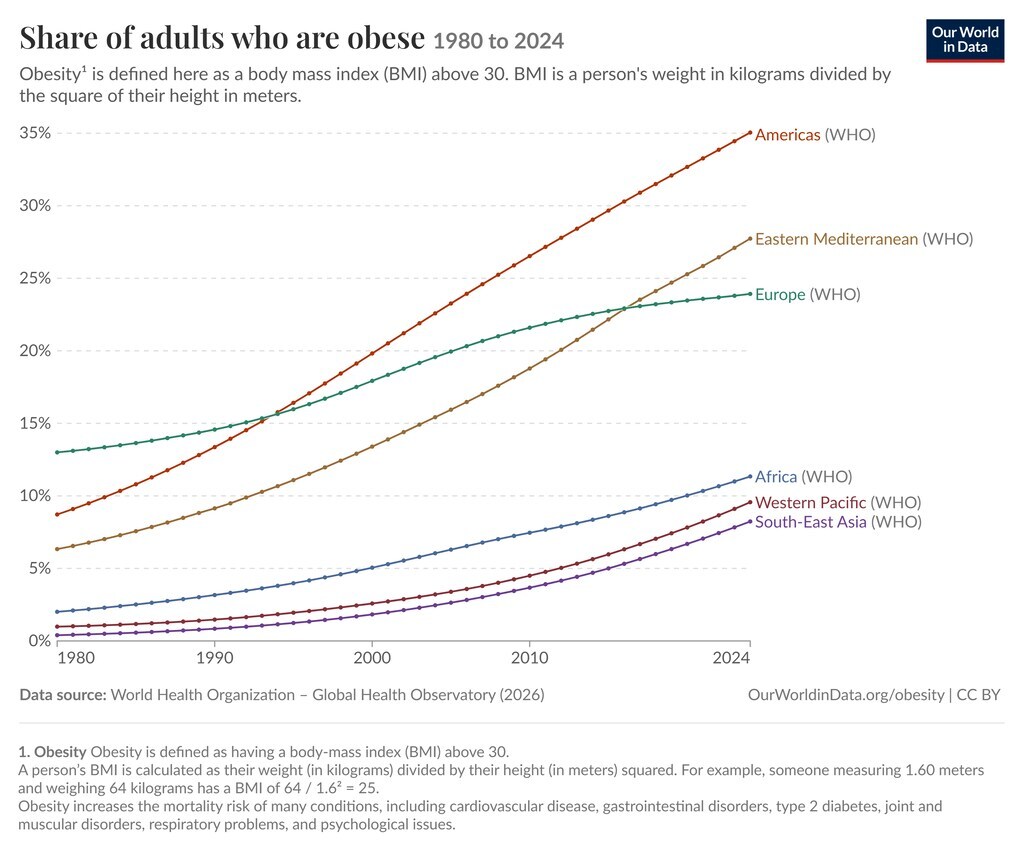
With obesity thought to be behind 3.7 million deaths a year – by contributing to cardiovascular diseases, diabetes and cancers – tackling the issue is both a health and economic imperative. The joint obesity strategy calls on governments to prioritize obesity as a chronic disease, and align financial and policy support accordingly.
“The costs of obesity are counted in years of life lost, in strained health systems, and in the children and adolescents whose futures are derailed by chronic disease and lasting complications,” said the joint report.
3. News in brief: Health stories from around the world
Ebola outbreak still not under control: Six months after it was first declared, the Ebola outbreak in eastern Democratic Republic of Congo remains out of control, reports Reuters, with both cases of the disease and deaths as a result of it continuing to rise. Over 11,000 people have been infected and over 5,500 have died since the outbreak began in May, which is double the rate seen in the first six months of the 2014-2016 West Africa outbreak.
El Niño a threat to pregnant women: Midwives have warned that millions of women in countries rated high risk for El Niño are in danger of dying during childbirth because they won’t have access to hospitals or healthcare. About 15 million babies are due to be born during the peak El Niño period, representing two-thirds of births worldwide, reports the Guardian.
Alzheimer’s breakthroughs: Two drug trials have shown some success in treating Alzheimer’s. One trial involved a medicine usually used to treat schizophrenia that helped alleviate the symptoms of psychosis experienced by some Alzheimer’s patients. While a drug which targets the toxic tau protein in the brain was shown to slow cognitive decline in early Alzheimer’s patients by 38% after two years, reports Reuters.
Hormone-disrupting chemicals found pre-birth: Babies can be exposed to endocrine-disrupting chemicals before birth, which can have lasting effects on brain development and growth, according to a new report from the UN Environment Programme (UNEP) and WHO. Exposure to these chemicals comes via everyday products and companies must work harder to “test early, disclose what is in their products, and get substitution right,” UNEP says.
Eritrea eliminates trachoma: WHO has confirmed that Eritrea is the 11th African country and 34th globally to successfully eliminate trachoma – the leading infectious cause of blindness – as a public health problem. Globally, over 90 million people are still at risk of trachoma blindness. The news comes as the WHO presented its mid-term evaluation of its roadmap to eliminate neglected tropical diseases. Trachoma elimination stood at 65% in 2025 and the aim is for full elimination by 2030.
Tuberculosis status update: WHO’s latest tuberculosis report finds that the global burden of TB is declining, with around 10.6 million people contracting the disease in 2025, a slight decrease on the previous year. That said, it’s still the leading cause of death from a single infectious agent and 2030 targets “remain distant”.
4. More on health from Forum Stories
It’s estimated that around 80% of the world’s over-60s will be living in lower- and middle-income countries by 2030, with large numbers of these people in rural, underserved and impoverished areas. A coordinated effort is required to tackle this acute challenge, says Prakash Tyagi of GRAVIS. From pooling resources to transferring knowledge, this article gives a roadmap for government and societal response.
Non-communicable diseases (NCD) cause three-quarters of deaths worldwide and 80% of those deaths are caused by just five conditions: heart disease, cancer, respiratory diseases, diabetes and kidney diseases. The following video explains the five key risk factors for developing an NCD – and the best prevention methods.

The chronic underfunding of nurses is undermining a profession a conflicted world cannot do without, says the head of the International Council of Nurses. In this article, José Luis Cobos Serrano argues that the largest health workforce in the world needs to be better valued, empowered and backed by proper investment. “The strength of our health systems, our economies and our societies will depend largely on the decisions we make today regarding nursing,” he says.