Nature underpins business, yet investors lack the comparable information they need to understand how companies’ dependencies and impacts create risks and opportunities, an information gap that the International Sustainability Standards Board aims to rectify with new proposals.
Companies around the world rely on nature. Their business model and ability to generate cash flows create dependencies and impacts on environmental resources that give rise to nature-related risks and opportunities.
So, it’s not surprising that investors want information about how companies are handling these risks and opportunities and what they mean for a company’s prospects, so that they can price risks and allocate capital.
Investors tell us that currently they do not have access to high-quality, comparable information about nature-related risks and opportunities.
In response, the International Sustainability Standards Board (ISSB) has developed its proposals for nature-related disclosures and is asking for feedback from stakeholders worldwide.
What do we mean by environmental resources?
Environmental resources are the living and non-living components of the natural environment that have the potential to produce economic and other benefits for human activity. They comprise natural resources, ecosystems and atmospheric systems.
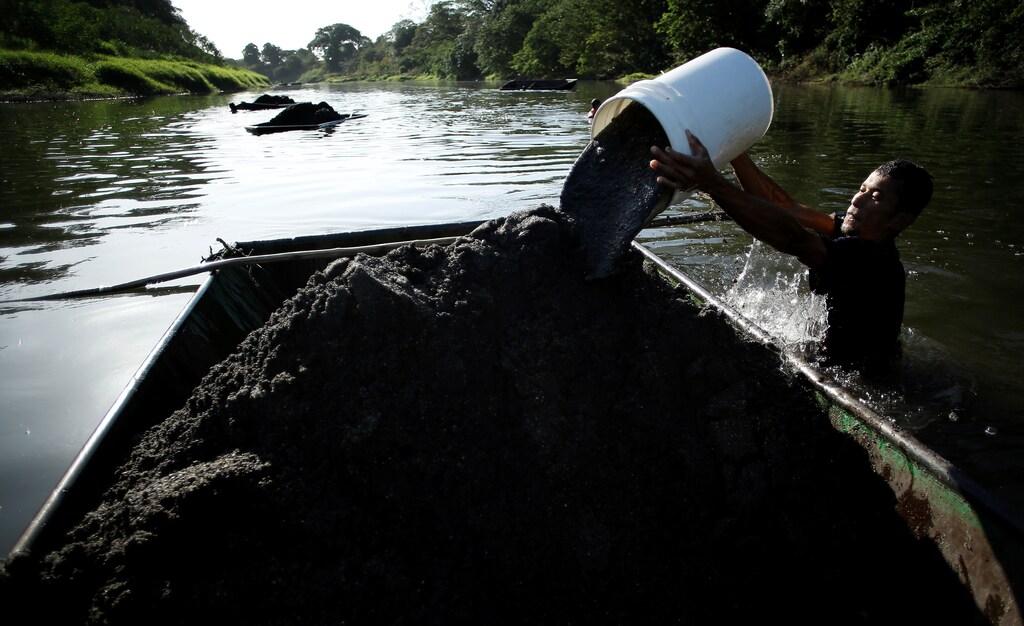
These resources are found on land, underground, in the atmosphere, in freshwaters and in the ocean and they provide services such as the provision of raw materials, pollination, air filtration and climate regulation.
Changes in the availability, quality or affordability of environmental resources and the associated benefits that a company depends on can relate to the company’s activities and outputs, the activities of other companies and other human activity, and natural factors such as flooding.
Those changes as well as efforts to mitigate and adapt to them can give rise to nature-related risks and opportunities.
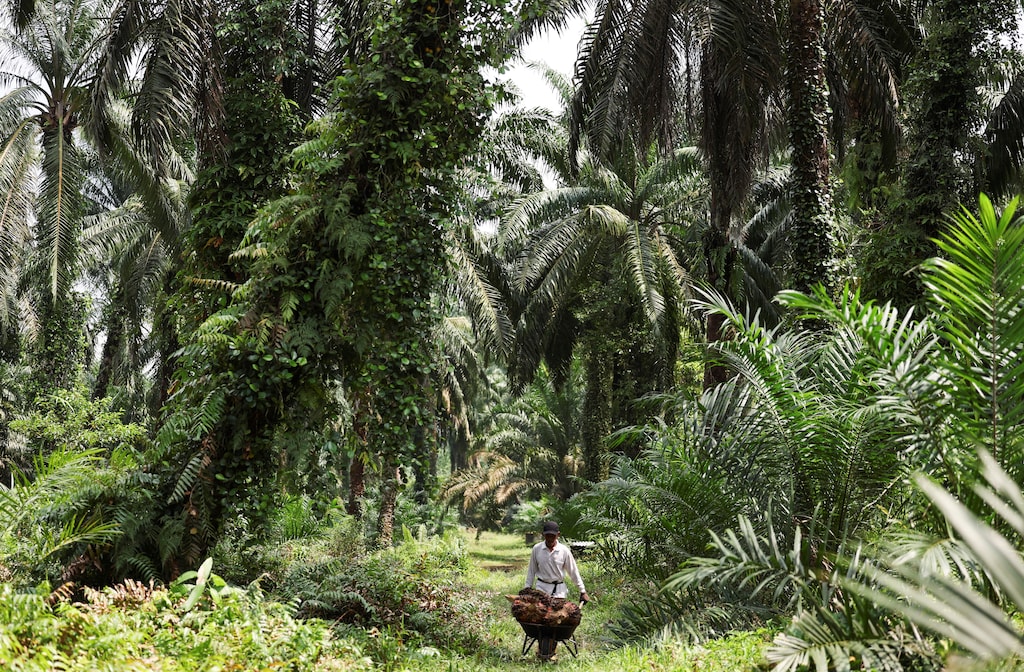
Take agricultural yields, which can decline as soil condition or pollinator populations deteriorate, or the operational disruption manufacturers can face when water becomes scarce or polluted, affecting production volumes, costs and margins.
In 2023, PwC research indicated that more than half of global gross domestic product is exposed to substantial nature-related risk. For example, reports of data centre expansion, such as in water-stressed areas of India, are raising concerns about pressure on water, land and energy resources, contributing to community opposition.
Conversely, a nature-related opportunity was recently reported in the Financial Times, with chickpeas and lentils potentially becoming staple crops for British farmers given warmer climates.
What is the ISSB and what has it proposed?
The ISSB develops sustainability disclosure standards in the public interest to meet the information needs of investors. Already, 50 jurisdictions are on the journey to adopt the ISSB Standards.
Companies applying the ISSB’s foundational standard, IFRS S1 – General Requirements for Disclosure of Sustainability-related Financial Information – are already required to disclose material information about sustainability-related risks and opportunities that could affect their prospects, which include those related to nature.
In October 2026, the ISSB published the exposure draft IFRS Sustainability Disclosure Practice Statement 1 Nature-related Disclosures and opened its public consultation until 19 February 2027. The proposals build on IFRS S1 by setting out what information could be useful for investors related to nature.
Given global efforts to implement and adopt the ISSB Standards, the ISSB is proposing its nature-related disclosure requirements in the form of a practice statement that companies can optionally use to improve their nature-related disclosures without having to apply it to assert compliance with the ISSB Standards.
A company using the ISSB Standards could report nature-related risks and opportunities without applying the practice statement.
Furthermore, jurisdictions could decide to make the practice statement available to companies to support their nature-related disclosures or, indeed, choose to mandate the practice statement for companies to apply.
What’s the goal of the ISSB proposals and how do we achieve them?
The intention of the proposals is to help companies add specificity to their nature-related disclosures, improving the quality and comparability of nature-related financial information globally.
In our proposals we set out using defined terms, what nature-related risks and opportunities are, how they arise from dependencies and impacts, and how they can affect a company’s prospects over time. We also help companies disclose information about nature-related risks and opportunities useful to investors in their decision-making.
Those familiar with the Taskforce on Nature-related Financial Disclosures (TNFD) framework will recognize a lot of the content in the proposals. We have drawn on their work when it provides investor-relevant information, with the aim of efficiency and reduced fragmentation in the disclosure landscape, while enabling us to draw on leading practice.
Companies can use the TNFD LEAP (Locate, Evaluate, Assess and Prepare) approach to help identify nature-related risks and opportunities, the TNFD disclosure metrics to communicate performance to investors, and the sources of guidance already referenced in IFRS S1 (the SASB Standards, GRI Standards and European Sustainability Reporting Standards (ESRS)).
The proposed disclosures reflect three key areas for understanding nature-related risks and opportunities: location, relationships with stakeholders and connections:
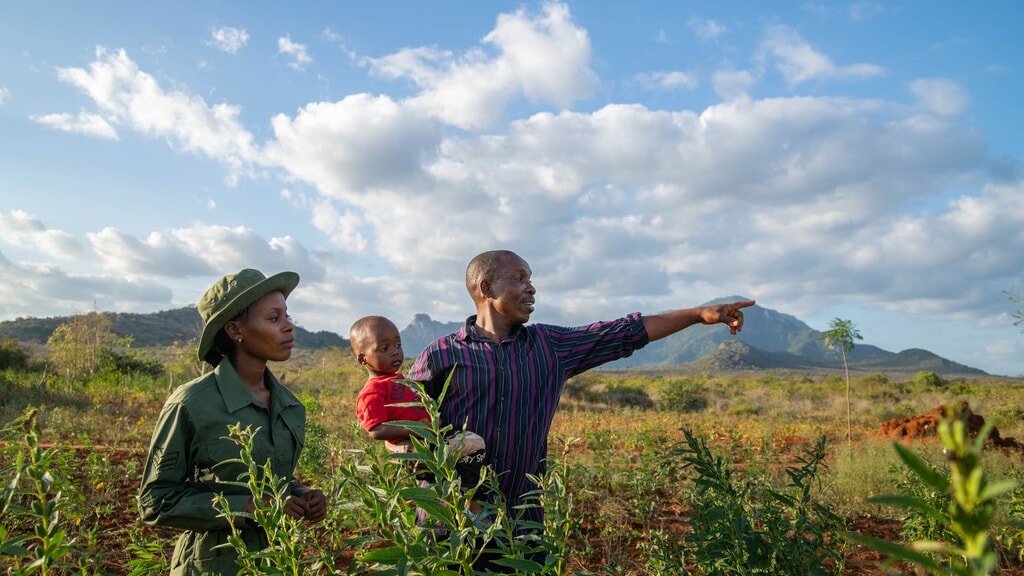
Companies would need to provide investors with information about how their dependencies and impacts throughout the value chain, and the resulting nature-related risks and opportunities, vary by location of assets and activities.
Companies would need to consider how their interactions and engagement with Indigenous Peoples, local communities and affected stakeholders can give rise to risks and opportunities.
Companies would need to help investors understand connections between nature-related and other sustainability-related risks and opportunities, particularly climate-related matters, and connections with information in the financial statements.
In terms of specific disclosures, the proposals include two new metrics on the amount and percentage of assets or business activities vulnerable to nature-related risks and aligned with nature-related opportunities.
Companies would be required to do nature-related scenario analysis to underpin their resilience assessment, with the approach being commensurate with the skills, capabilities and resources of a company.
You can help shape the future of capital markets by sharing your views on the proposals before the consultation closes on 19 February 2027.