Egypt is boosting its appeal to global supply chains through infrastructure investment, streamlined regulations and international partnerships, writes Egypt's minister of investment and foreign trade.
An investment location earns its place in global supply chains when businesses can produce competitively and deliver reliably through disruption. Geopolitical tensions are making that test harder. The response requires consistent domestic reform and international partnerships that turn investment opportunities into operating businesses.
Egypt is pursuing that combination through targeted investment promotion, simpler licensing and approval procedures and digital transformation. Our priority is to turn infrastructure capacity into stronger exports and opportunities reaching more communities.
Reform for investors and communities
With long-term investment requiring enforceable contracts, clear, consistently applied trade and investment policies allow businesses to assess risks and plan over a project’s lifetime. Governments must work on translating these foundations into an environment investors can rely on.
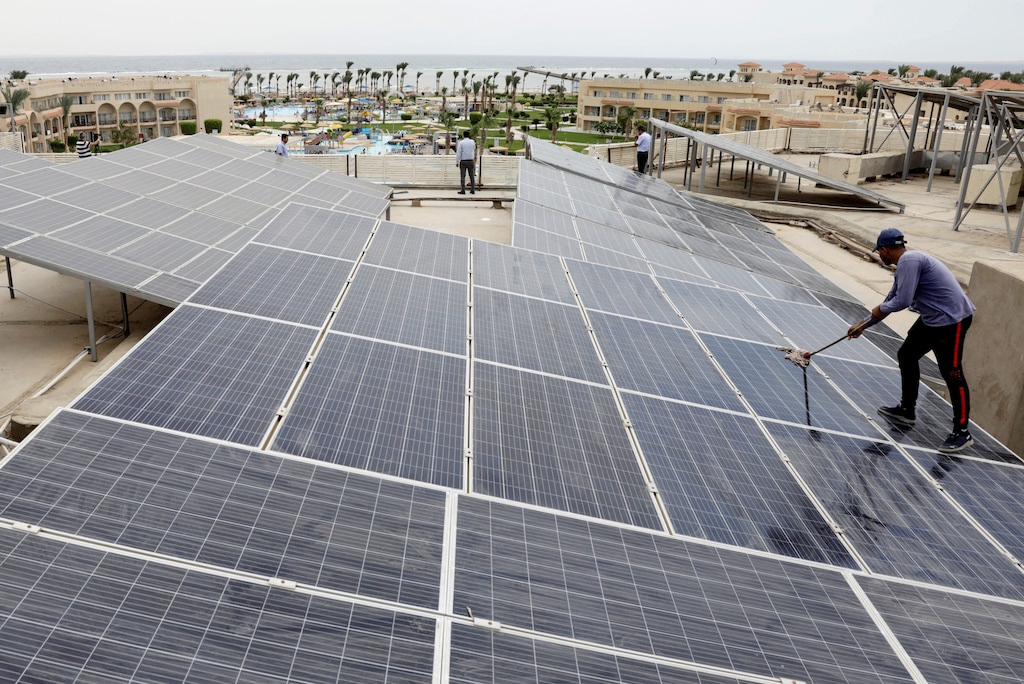
Egypt has paved the way for productive investment through more than $550 billion in infrastructure investment over the past decade. Airports, commercial ports, roads and railways have improved connectivity, alongside investment in power generation, renewable energy, water desalination and digital infrastructure. This capacity provides a foundation for private-sector growth.
Egypt’s trade agreements extend these advantages to markets across Europe, Africa, the Arab region and Latin America. Market access, geographic proximity and production capabilities enable investors to serve multiple markets from a single manufacturing base, subject to applicable rules of origin and standards.
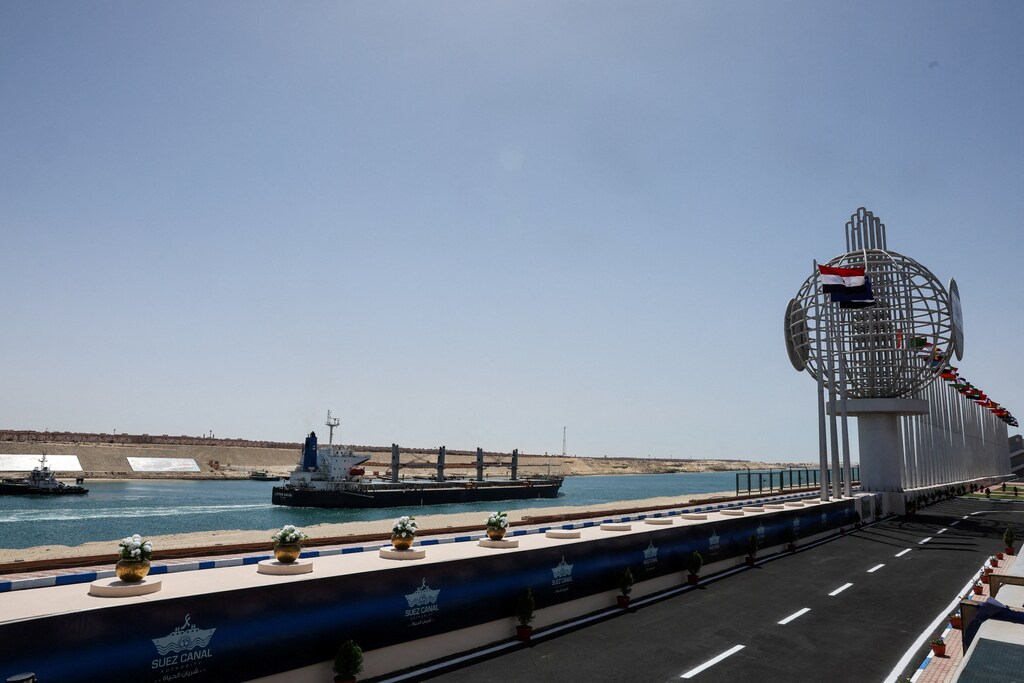
The Suez Canal reinforces this position at the intersection of major trading routes. Disruption affects production costs and delivery schedules across continents. Developing industrial and logistics capabilities around the corridor strengthen Egypt’s contribution to global trade. The Suez Canal Economic Zone, with four industrial zones and six ports, supports this integration alongside Egypt’s free zones.
Institutional reform makes these advantages easier to use. Egypt’s investment zones offer a one-stop-shop model, giving investors one administrative counterpart for approvals, licences and permits. By May 2026, 12 operational zones across six governorates hosted 1,277 projects and supported around 77,500 jobs.
Expanding this model across governorates and into remote areas can bring investment closer to citizens. Local suppliers and training institutions help translate projects into employment and better incomes within communities. Investors also have a role in developing suppliers, transferring technology and building skills.
Egypt’s Golden Licence gives eligible projects a single cabinet approval to build and operate. The Economic Entities Platform under development aims to coordinate government services digitally, simplifying procedures, clarifying responsibilities and reducing repeated requirements so investors can track applications and anticipate decisions.
These foundations are reflected in Egypt’s investment record. UNCTAD-based rankings show that Egypt was Africa’s largest recipient of foreign direct investment in nine of the 10 years from 2016 to 2025, including four consecutive years through 2025. This record signals confidence in the country’s potential. The next task is to translate it into deeper production networks and sustained export growth.
Turning investor confidence into productive capacity
That evolution requires sector-specific execution. Egypt’s foreign direct investment strategy, developed with the World Bank, combines feasibility and desirability to prioritize sectors and guide effective targeting of investors and opportunities through 2030.
The first phase focuses on promoting opportunities in sectors such as IT services, solar and wind power, food-processing, ready-made garments, and transport and logistics. The second phase focuses on policy reforms in sectors such as automotive manufacturing, pharmaceuticals, data centres and green hydrogen.
We are targeting $77 billion in cumulative foreign direct investment over the strategy period through 2030, excluding exceptional large transactions. Achieving this requires an implementation programme that addresses sector constraints, reduces bureaucracy and advances the digital transformation of investor services.
These efforts will form part of a broader National Economic Transformation Programme that Egypt will pursue over the next three years. Its seven drivers are higher productivity, an empowered and competitive private sector, deeper integration into regional and global value chains, stronger human capital, support for the middle class, greater returns on state-owned assets and doubling fiscal space.
Success will be measured by projects entering production, existing businesses expanding and Egyptian firms reaching new markets, with the benefits extending across communities.
Delivering these ambitions requires continued national reform and international arrangements that support productive investment. As geopolitical tensions reshape trade and capital flows, effective multilateral cooperation becomes essential to implementing the necessary policies.
Matching national reform with international responsibility
From an international perspective, investors across markets need predictable international trade and investment rules. Strengthening the World Trade Organization’s capacity to uphold transparent rules and deliver effective dispute resolution is essential to long-term investment. Reform should preserve the credibility of commitments and ensure that developing economies have an effective voice in shaping their integration into global value chains.
Development finance institutions must adapt to today’s conditions. Longer-term funding, targeted preferential financing and accessible guarantees can help sound projects proceed. Existing initiatives provide a foundation, but their scale must match investment needs. Policy advice requires financial capacity to support implementation.
Projects earning local-currency revenues need compatible financing structures. Development lenders and guarantee institutions, including MIGA (the World Bank’s Multilateral Investment Guarantee Agency), should work with private financiers to expand affordable risk-sharing and hedging solutions within their mandates.
Climate action makes the need for fairness clear. Developing economies must finance cleaner energy and production while protecting communities from climate impacts, often facing higher financing costs and currency risks. Egypt’s coastal-adaptation needs illustrate these simultaneous demands. Shared responsibility must recognize differences in historical emissions and financial capacity. Expecting developing economies to shoulder these costs and risks alone would be inequitable and economically unsustainable.
Advanced economies and international financial institutions must translate climate commitments into accessible concessional finance, effective guarantees and broader risk-sharing. National governments remain accountable for reform; international partners must provide instruments enabling results at the required scale. A persistent gap between ambition and financing puts shared climate goals at risk.
This partnership between governments, private investors and international institutions requires accountability from all participants. Governments must maintain sound policies and disclose public financial exposure; investors must deploy capital responsibly and strengthen local capabilities. International institutions should demonstrate their contribution through additional investment mobilized and projects implemented.
The forthcoming World Economic Forum Country Strategy Meeting on Egypt offers an opportunity to advance this cooperation around concrete priorities. Our shared ambition will gain credibility through competitive businesses, dependable trade and economic opportunities reaching citizens across the country’s governorates.