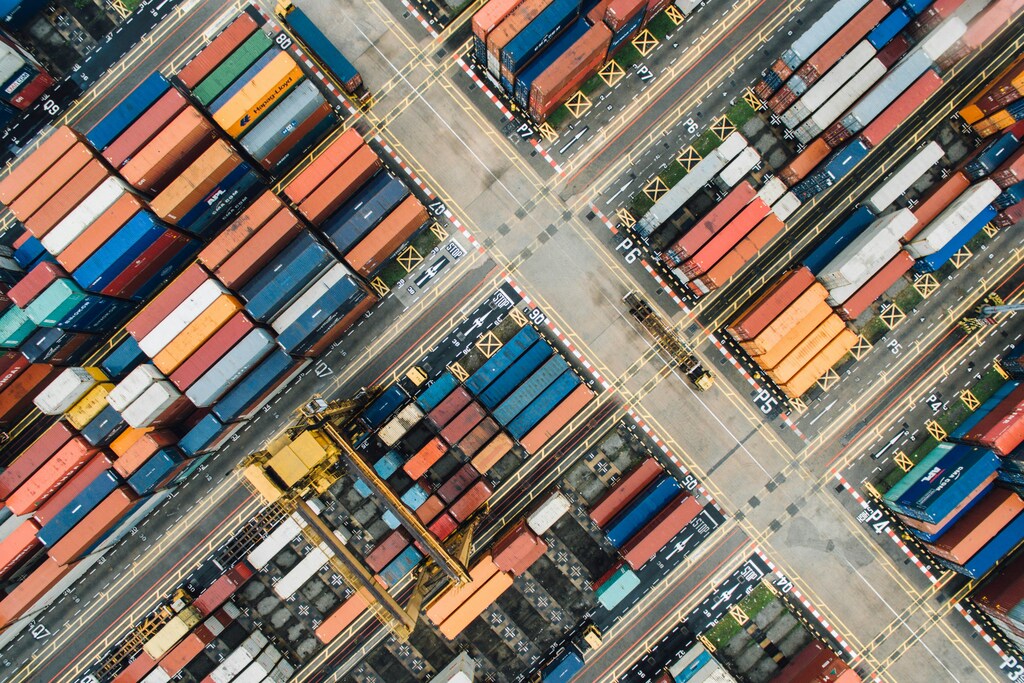
SEZs can be effective industrial policy, but their performance often depends on location and infrastructure, as South Africa's experience shows.
Special economic zones (SEZs) are among the world’s most popular tools of industrial policy, yet their record is mixed.
According to UN Trade and Development (UNCTAD), in 2019 there were nearly 5,400 SEZs operating in more than 145 economies, with over 500 more planned, and today’s figures are likely even higher. When it comes to their effectiveness, UNCTAD’s own verdict is blunt: for every success story, several zones never attracted the investors they were built for.
South Africa offers a useful test. In July 2026, the World Bank published a review of all 12 of the country’s operating zones. Its findings speak to a question many governments face: what factors determine whether an SEZ successfully transforms a regional economy from one that remains an empty industrial estate?
The basics matter more than tax breaks
South Africa’s special economic zones have finally begun to pay their way, as measured revenues exceeded annual expenditure by ZAR510 million ($27.8 million) in 2024. The World Bank reports that they had attracted ZAR34.6 billion ($2.1 billion) in private investment by 2024 and created more than 30,000 direct jobs. That year, tax and municipal revenue from zone businesses exceeded public spending on the programme for the first time, leaving a surplus of ZAR510 million ($30.8 million).
The review also shows where the value comes from. Only 12% of zone businesses have claimed the reduced 15% corporate tax rate. The incentive is available in only six approved zones, and businesses must meet strict eligibility rules. These include earning at least 90% of their income from activity within an approved zone.
Yet investment continued to flow to the best-placed zones; what held them back were the basics. Power shortages cost the Coega Special Economic Zone in the Eastern Cape about 15% of its output in 2022, while freight congestion and rail problems add around ZAR2 billion ($181 million) a year in costs across the SEZ network.
South Africa’s experience aligns with the wider evidence. SEZs perform best near large markets and good transport links, where firms can rely on electricity, water and prompt approvals. Incentives help at the margin, but they rarely rescue poor location.
What a working SEZ looks like
Gauteng is South Africa’s smallest province, yet it accounts for about one-third of national output. Its two operating zones illustrate how location and partnership shape outcomes.
The Tshwane Automotive SEZ sits beside Ford’s assembly plant in Silverton, north of Pretoria. Component manufacturers are located within the zone and supply the plant directly. This shortens supply chains and reduces logistics costs. The zone has created more than 3,400 permanent jobs and over 6,000 construction jobs, and small local firms have secured more than ZAR1.7 billion ($102 million) in procurement.
Part of its speed came from shared ownership. After its 2019 launch, the national government, the Gauteng province and the City of Tshwane funded it together, and the first factories were operational within two years. When the city that approves plans and supplies services also owns part of the zone, both tend to be delivered faster.
The OR Tambo SEZ, just beside Johannesburg’s international airport, takes a different approach. It focuses on light, high-value goods that travel by air, such as jewellery made from precious local metals and medical devices, highlighting how a mineral-rich economy can export ore as well as finished products.
Scale matters too. Morocco’s Tanger Med zones host more than 1,500 companies and support about 145,000 jobs. In 2025, they generated $18.8 billion in business, two-thirds of which were automotive. One of the key factors that helped drive that success was that port, rail and supplier parks were planned as a single system.
South Africa has a smaller but relevant example in Coega. The Coega SEZ is next to the Port of Ngqura and has road, rail, sea and air links. The Coega Development Corporation also operates the Nelson Mandela Bay Logistics Park, which provides shared logistics and supplier facilities for automotive manufacturers. The scale is different, but both examples show the value of connecting transport, industrial sites and suppliers.
The risks remain real
Special economic zones cost money before they earn it. South Africa spent about ZAR24.2 billion ($1.4 billion) on its SEZ programme between 2016 and 2024, and the World Bank expects it to break even only by 2028.
Two-thirds of zone operators told the bank that the policy framework is not working well, with operators pointing to a gap between the policy’s promises and its delivery. They cite impractical tax eligibility rules, complex zone designations, uncertainty over the duration of incentives and unclear funding and coordination arrangements. These barriers can deter investors and slow occupancy, thereby delaying revenue growth.
Relying on a single large investor is another risk. In January 2026, Nissan, also in Tshwane, said it would stop making cars at its Rosslyn plant. The site survived when Chinese car-maker Chery bought it, keeping all 692 workers and planning production from mid-2027. Existing land, plants and a trained workforce made the site easy to reuse. SEZs can plan for this from day one by helping their suppliers win more than one customer.
Many municipalities also struggle to fund the water, power and road connections that new SEZs require, with the cost of connecting zones to essential services often falling heavily on the public sector. For instance, after the East London Industrial Development Zone was developed, Buffalo City Municipality inherited responsibility for about ZAR250 million ($14.7 million) in roads, electricity substations and wastewater infrastructure, without additional support from other spheres of government. Without a clear split of who pays for what, good projects stall.
SEZs for the energy transition
Successful SEZs of the future also need to consider any environmental impact, as the next generation of zones will be judged on emissions as well as on jobs.
South Africa holds about 83% of the world’s platinum-group metal reserves and mined about 70% of its platinum in 2025. These metals are used in fuel cells and hydrogen equipment that are critical for decarbonizing ‘hard-to-abate’ sectors such as industry, transport and green energy production, and producing components from them near the mines is a clear opportunity.
Gauteng’s five corridors have distinct strengths, ranging from finance and technology in the Central Corridor to automotive manufacturing in the North, logistics in the East, mining in the West and industrial renewal in the South. The province aims to align its zones with these strengths, connect them through infrastructure and supplier networks, and build the scale to compete in global value chains.
The proposed Vaal Special Economic Zone targets hydrogen, renewable-energy components and battery storage. A West Rand zone would help a former gold-mining area transition to agro-processing and green energy, while Lanseria is planned for high-technology industry alongside a new smart city. All are still in preparation and will depend on the same basics.
The World Economic Forum’s Transitioning Industrial Clusters initiative offers a useful model. It brings together 33 clusters across 16 countries, supporting about 4.3 million jobs and aiming to grow while cutting emissions. None of these industrial clusters is in Africa yet, but African zones that plan for clean power and shared infrastructure from the outset could be better placed to join that community and learn from it in the future.
Three steps that make the difference
1. Fix the basics first. Reliable power, water, freight links and fast approvals matter more to investors than a lower tax rate.
2. Share ownership with cities. Zones move faster when the local government that approves plans and supplies services has a stake in their success.
3. Build beyond one anchor. Supplier development, skills programmes and links to nearby firms spread the gains and soften the blow if a large investor leaves.
Special economic zones are not a cure-all, and they are not a failed idea. South Africa’s experience shows they pay off when they are integrated into the cities, corridors and supply chains around them. Looking to the future, Africa’s next SEZs can be built that way from the start.