

Artificial Intelligence
How to teach kids in the age of AI, from the head of a leading LA school
Falling test scores are prompting a rethink of AI in the classroom. Cognitively demanding pedagogies put reading, writing and debate back at the centre.

Conrad Hughes is Head of School at the International School of Los Angeles. He is also Professor in Practice at the University of Durham's School of Education, Senior Fellow at UNESCO's International Bureau of Education, and a member of the University of the People's Education Advisory Board. He has published four major books and several peer-reviewed articles on education and technology, prejudice reduction, global citizenship education and how to broaden assessment.
Falling test scores are prompting a rethink of AI in the classroom. Cognitively demanding pedagogies put reading, writing and debate back at the centre.
在人工智能与社交媒体时代,批判性思维俨然成了教育界的标配答案。明确批判性思维在当今语境下的真正内涵至关重要。而更为关键的是,教育者须知晓如何将其传授给学生。
Critical thinking has become a go-to response to education in the age of AI. But we must define what critical thinking really means – and how to teach it.
Las escuelas deben fomentar el pensamiento crítico, la diversidad cultural y el aprendizaje personalizado para preparar a los estudiantes para una realidad compleja.
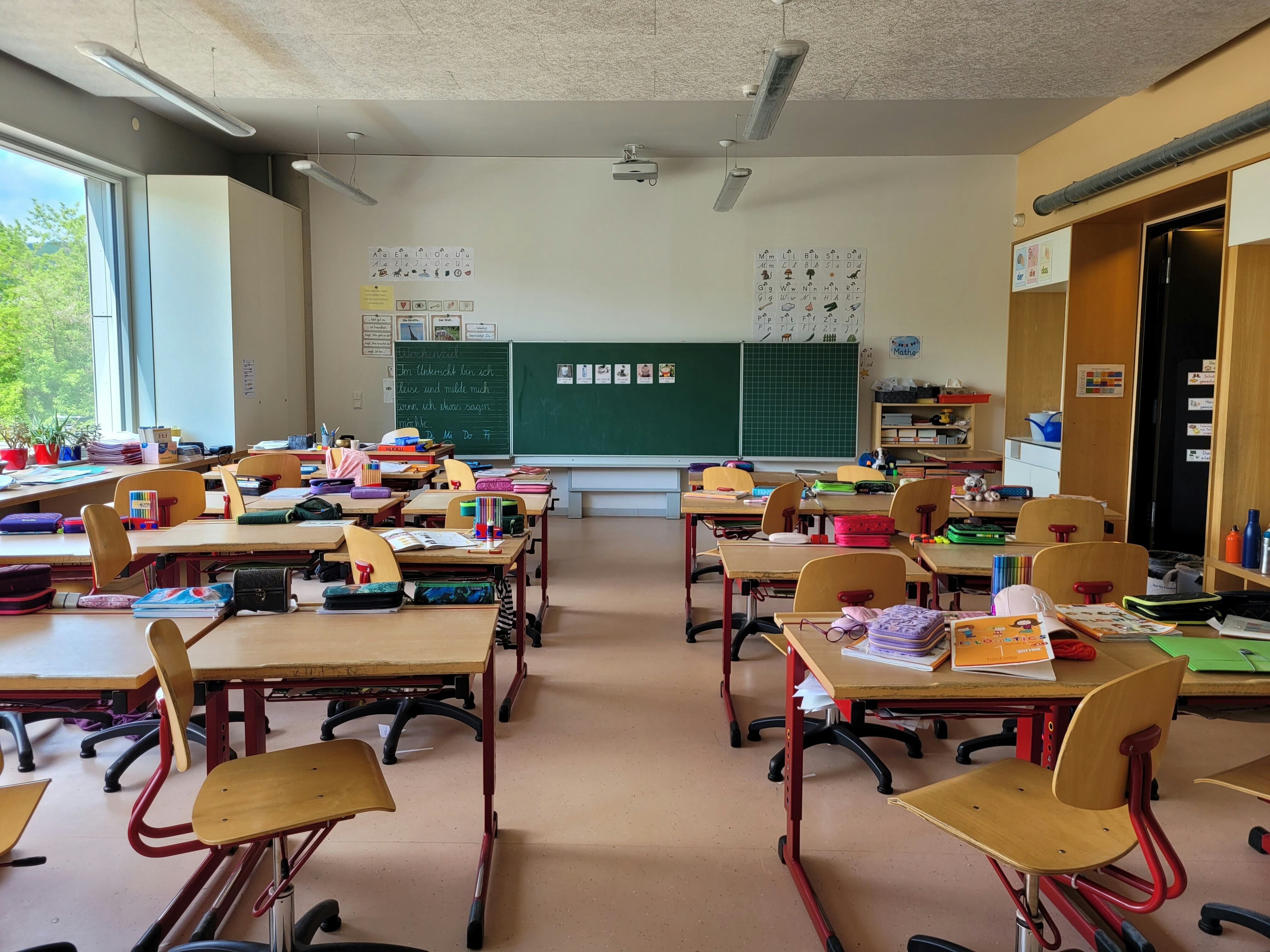
The future of education depends on cultivating a strategic institutional mindset and culture, not on adopting a checklist-style approach.

Generative AI doesn't signal the end of human civilization, as some have warned — but it is disruptive. The education sector, in particular, must prepare.

COVID-19 has impacted discipline in children, with the impacts of isolation and home-schooling presenting new challenges for teachers as students return.

Great teaching is not merely a predictable, observable, externally measurable fact as the social sciences would like it to be. So how should we define it?

We can only deal with so many pieces of information at once, but today we are faced with an 'infodemic'. The benefits of walking and reading could offer a better solution.

Current school certification systems fail to capture the full picture of a student - their achievements, personalities and experiences in school and beyond.

COVID-19 has brought the infrastructure of higher education to the ground; it seems difficult to imagine how and when the pieces will be reconstructed.

Big questions are being posed about the validity of today's curricula, the antiquity of the infrastructure and the future of examinations.

COVID-19 has highlighted issues entrenched in our global education system going back 200 hundred years - from inequality of funding between schools to a lack of focus on emotional wellbeing.


