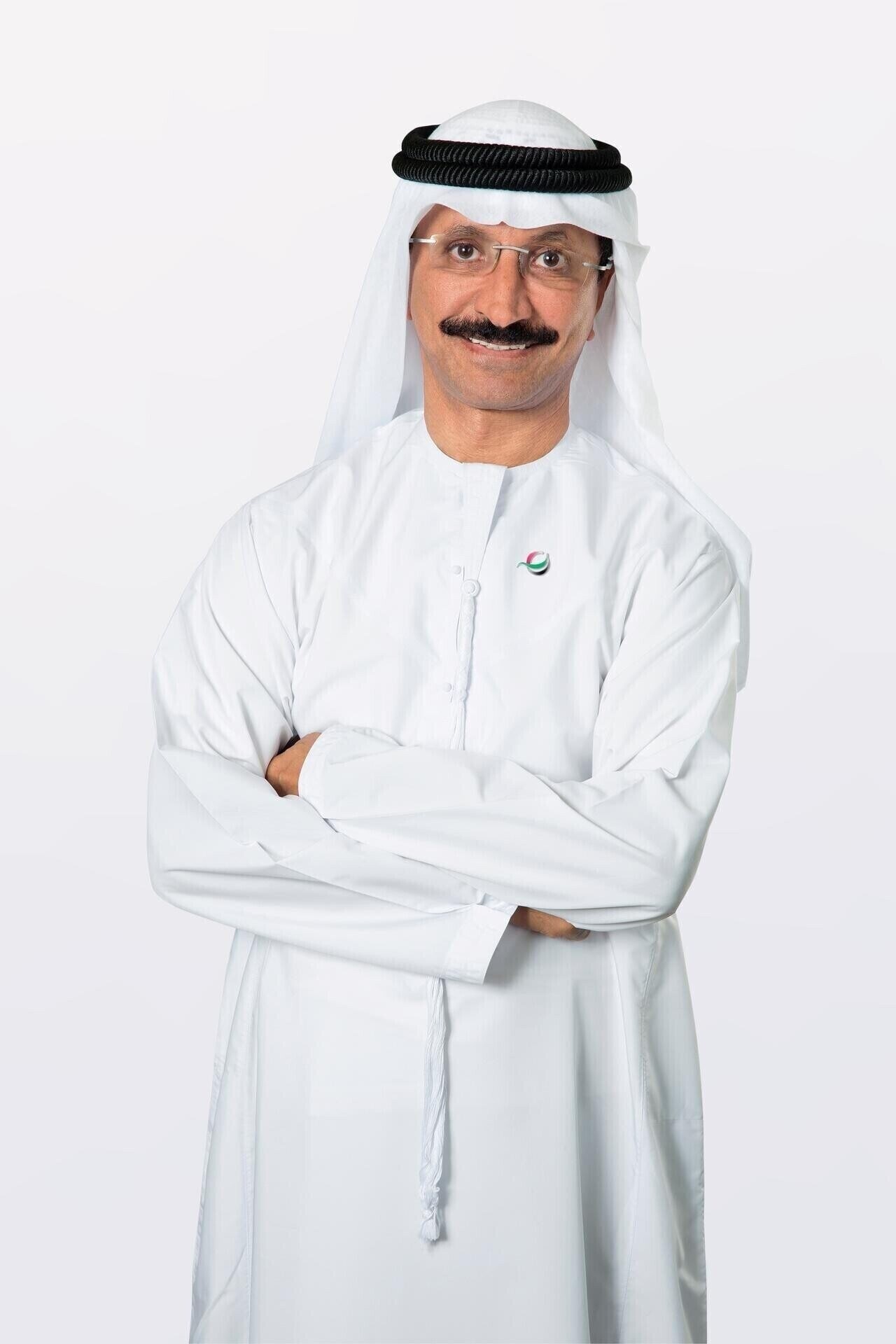
Sultan Ahmed Bin Sulayem is the Group Chairman and CEO of DP World, a position that places him at the helm of one of the world's largest and most innovative trade enablers.
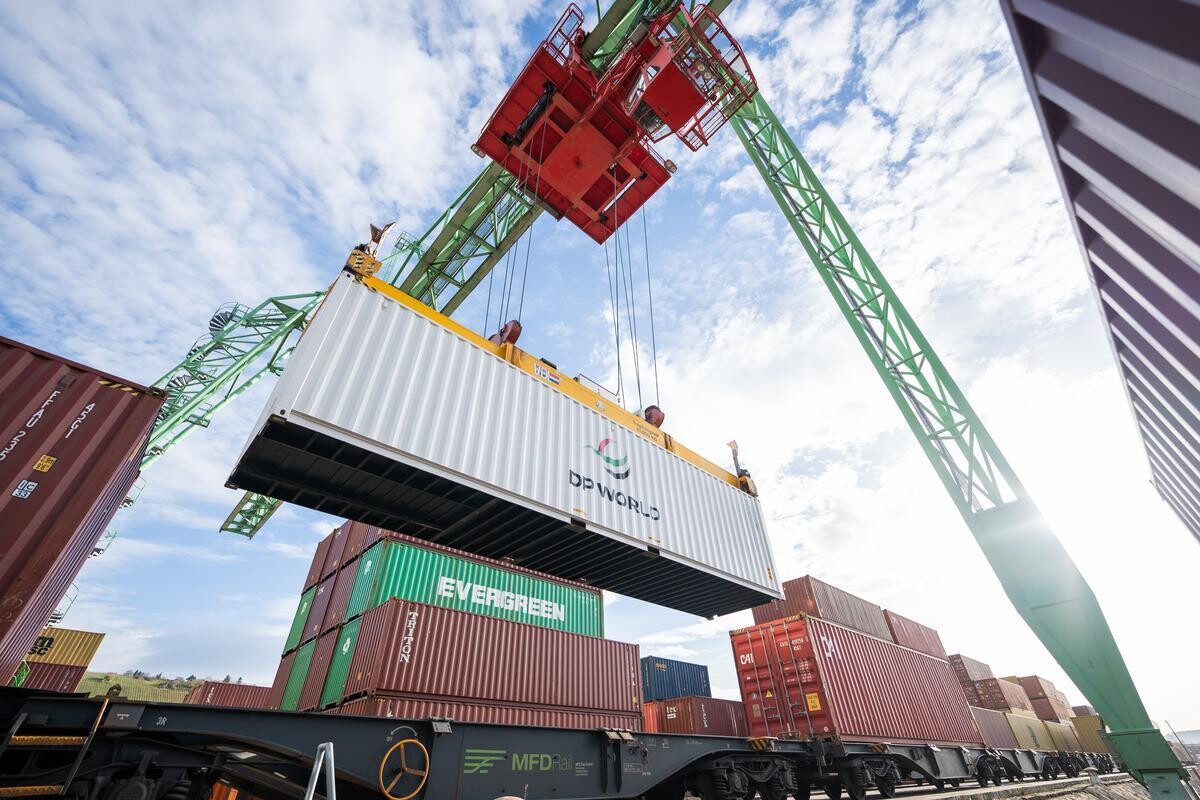
Since leading the creation of DP World, he has overseen its transformation into a global logistics powerhouse that supports the flow of trade across the world. Under his leadership, DP World has grown its network to over 78 countries and become a vital partner to global businesses.
Sultan's career spans over three decades, during which he has been a driving force behind Dubai’s emergence as a major player in global trade. He was instrumental in the development of Jebel Ali Port, now the largest man-made harbour in the world and the busiest port in the Middle East. His strategic vision has expanded DP World's footprint beyond ports to include end-to-end logistics solutions, with a focus on integrating technology and sustainability into the company’s operations.
A pioneer in the logistics sector, Sultan continues to lead DP World’s efforts to drive innovation and create intelligent supply chains. His leadership has been recognized globally, and he remains committed to ensuring that DP World leads the future of world trade, supporting economic growth and development in the countries where it operates.
Sultan holds a degree in Economics from Temple University in the United States and has served on numerous governmental and corporate boards, contributing his expertise to shaping the future of global trade and logistics.