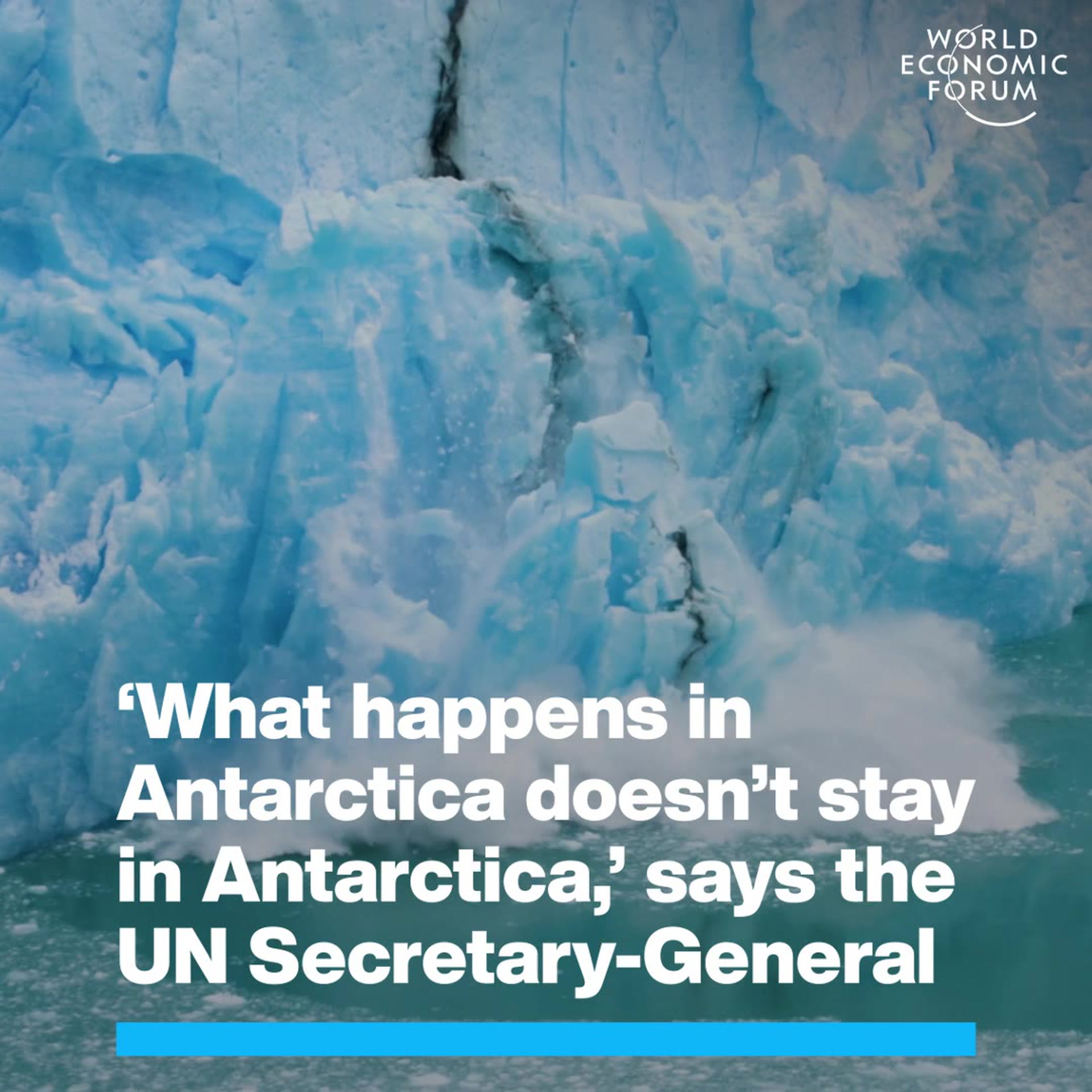
COP 28: UN Secretary-General warns of melting Antarctic ice caps
Antarctica is losing a staggering 150 billion tonnes of glacier ice a year, and this rate is accelerating. António Guterres just visited Antarctica ahead of COP28 to draw attention to mel...
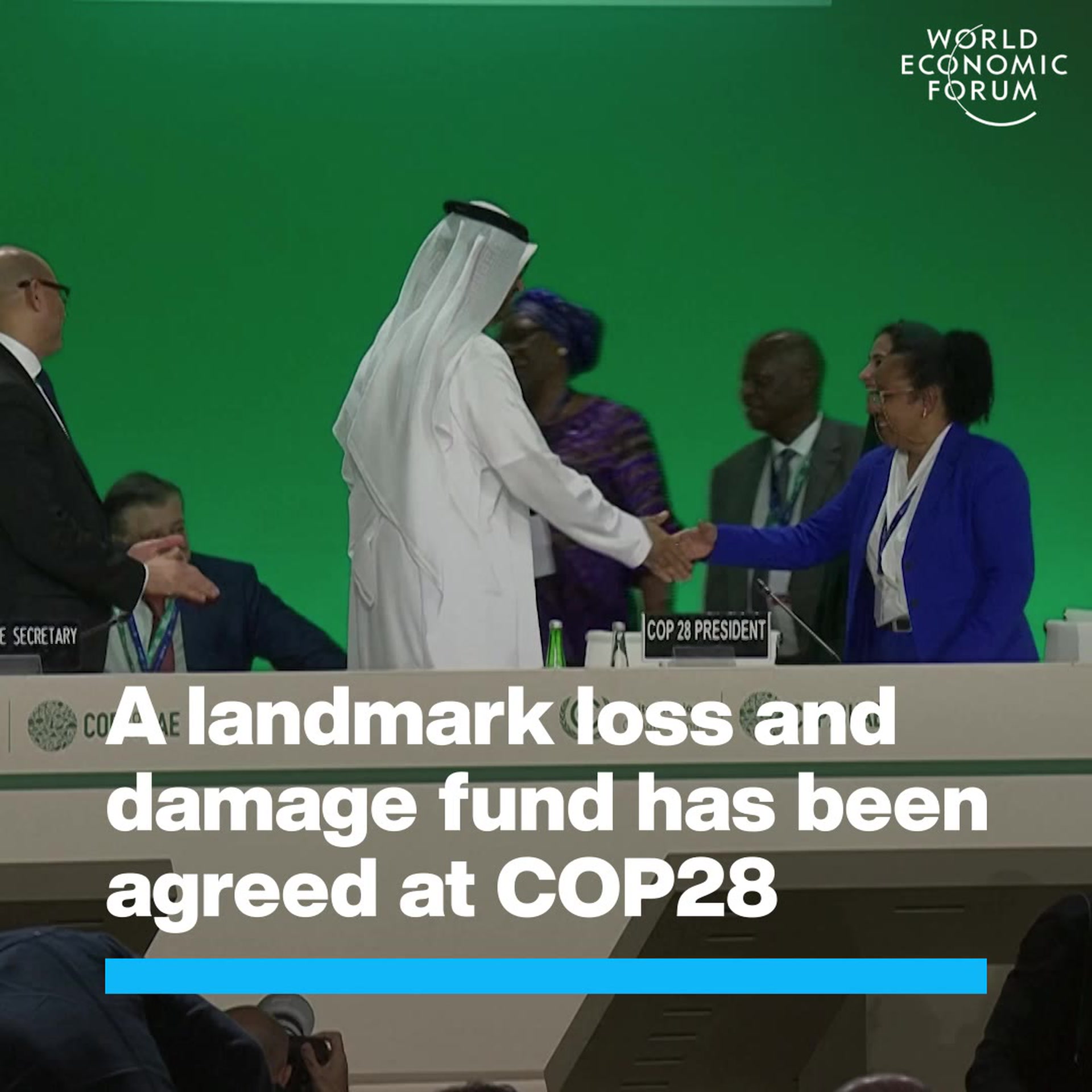
Historic climate loss and damage fund agreed at COP28
COP28 has finally secured a dedicated fund to help lower-income countries cope with the devastating financial consequences of a changing climate.
From mitigation to tipping points, 5 key climate terms explained
Climate change can feel overwhelming, with endless scientific jargon and complex challenges. Understanding a few key terms can empower us to engage in meaningful conversations and take in...


COP28: New climate disaster fund, plus other nature and climate stories to read this week
Also, in nature and climate this week: Debt relief needed to help developing world adapt to climate change; Brazil to launch fund to protect forests.

What is climate justice?
Climate justice isn't just about addressing climate change, but about doing so in a way that recognizes the unfair distribution of its impacts. Here's more from some leading experts.


There's a training gap in green finance and it could hold climate progress back
Sustainable finance is key to climate mitigation; that's why the World Economic Forum has joined an initiative to bridge a knowledge gap in emerging markets.


Why we need international data sharing on critical minerals
Critical minerals are key for the energy transition but insufficient data is causing uncertainty for producers and consumers. Here's how policy-makers can help.


3 sectors share insights on measuring scope 3 emissions
Scope 3 reporting is driven by new expectations from consumers, business partners, regulators, investors, employees and civil society; and has significant implications for trade policies.


Why closing the price gap for green fuels is key to decarbonizing the maritime sector
Advancing and scaling the supply of green fuels to decarbonize the maritime sector demands government action and policy measures to help close the price gap.


COP28 agrees to establish loss and damage fund for vulnerable countries
COP28 began with a historic agreement on a loss and damage fund to help developing countries cope with the effects of climate change. Read to learn more.


Why green tech’s multiplier effect is critical to achieving climate goals
Green technology is already an important catalyst in the global energy transition and has knock-on effects beyond immediate environmental outcomes too.


London to Miami-Dade: an integrated approach to developing equitable and thriving communities
Transit-oriented communities can combat the affordability crisis by delivering housing and transport while addressing sustainability and equity goals.