

Protecting employees against tuberculosis is a shot in the arm for sustainable business. Here's why
Tuberculosis continues to have a severe impact on communities around the world. Business must take active steps to protect their employees and help eradicate the disease
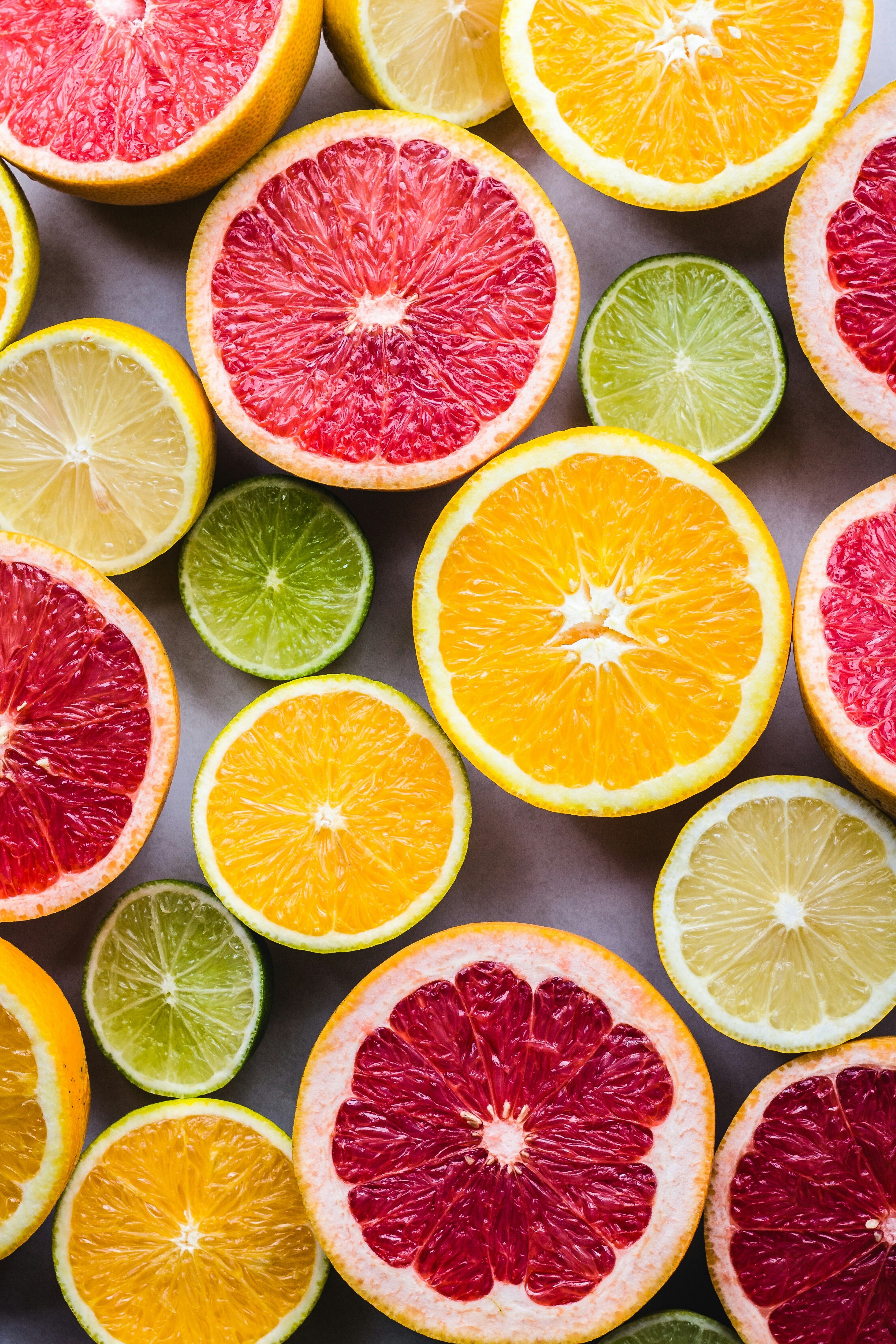

Why obesity is rising and how we can live healthy lives
More than a billion people are now living with obesity, a new study finds, as global food systems and technology have led to changes in what and how much we eat.
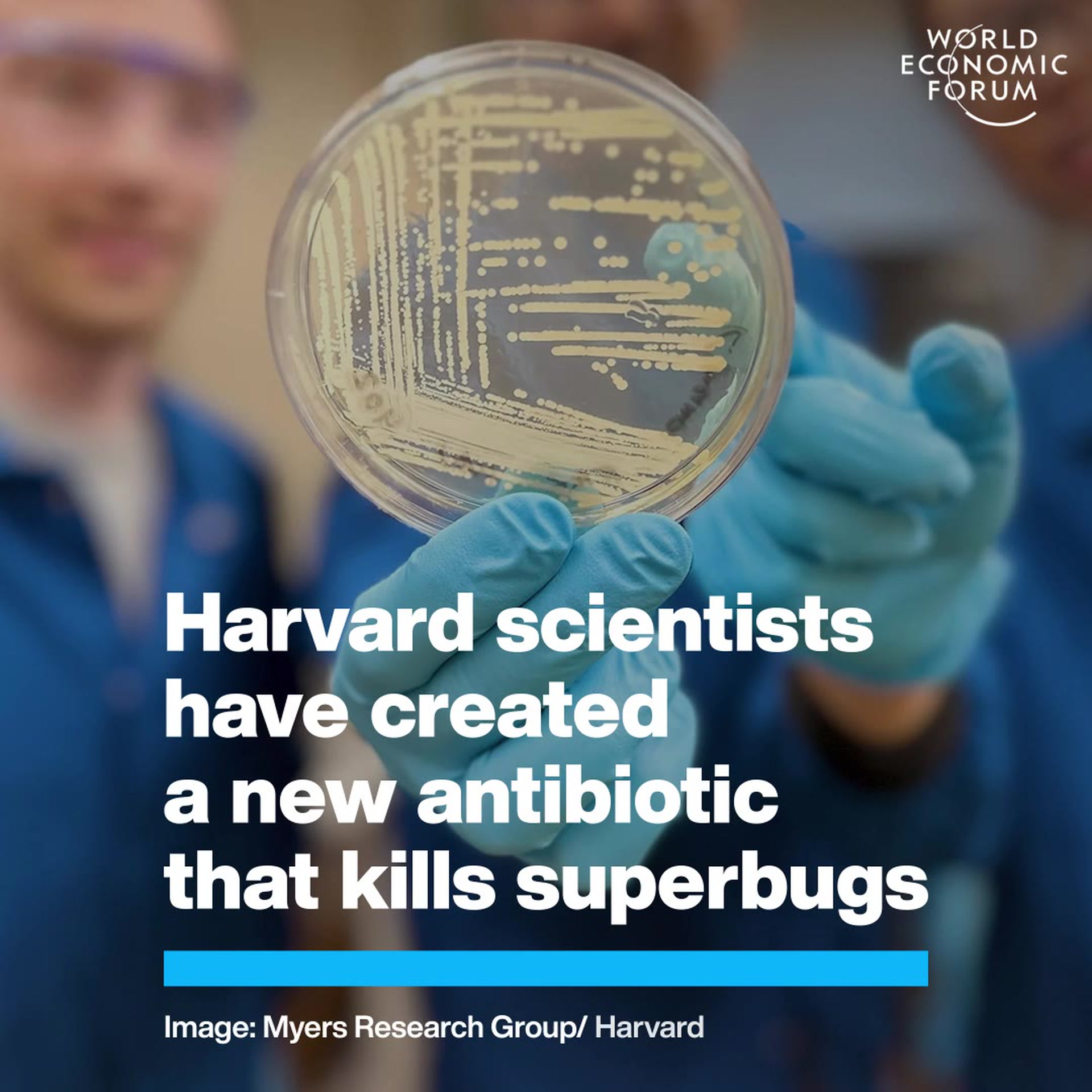
Harvard scientists have created a new antibiotic that kills superbugs
It has proved effective against a long list of drug-resistant bacteria. That together kills more than 1 million people each year. Most antibiotics are derived from fungi and soil bacteria.


How patient organizations are advancing healthcare in Africa
By 2050, Africa will be home to 2.5 billion people. For over-stretched healthcare systems across the continent, patient organizations could be a lifesaver.


Microplastics linked to greater risk of heart attack and stroke, plus other top health stories
Also this week: AI reveals prostate cancer not just one disease; Donors pledge $600 million to fight cervical cancer.


8 global leaders share how we can close the women’s health gap
Women's health is a $1 trillion opportunity, but is chronically underfunded and undervalued. The Global Women's Health Alliance is changing that.


African nations have agreed a plan to increase locally produced vaccines. This is how it will work
Africa has a $50 billion annual healthcare market but many products are imported. Now African countries have agreed a plan to increase local manufacturing.
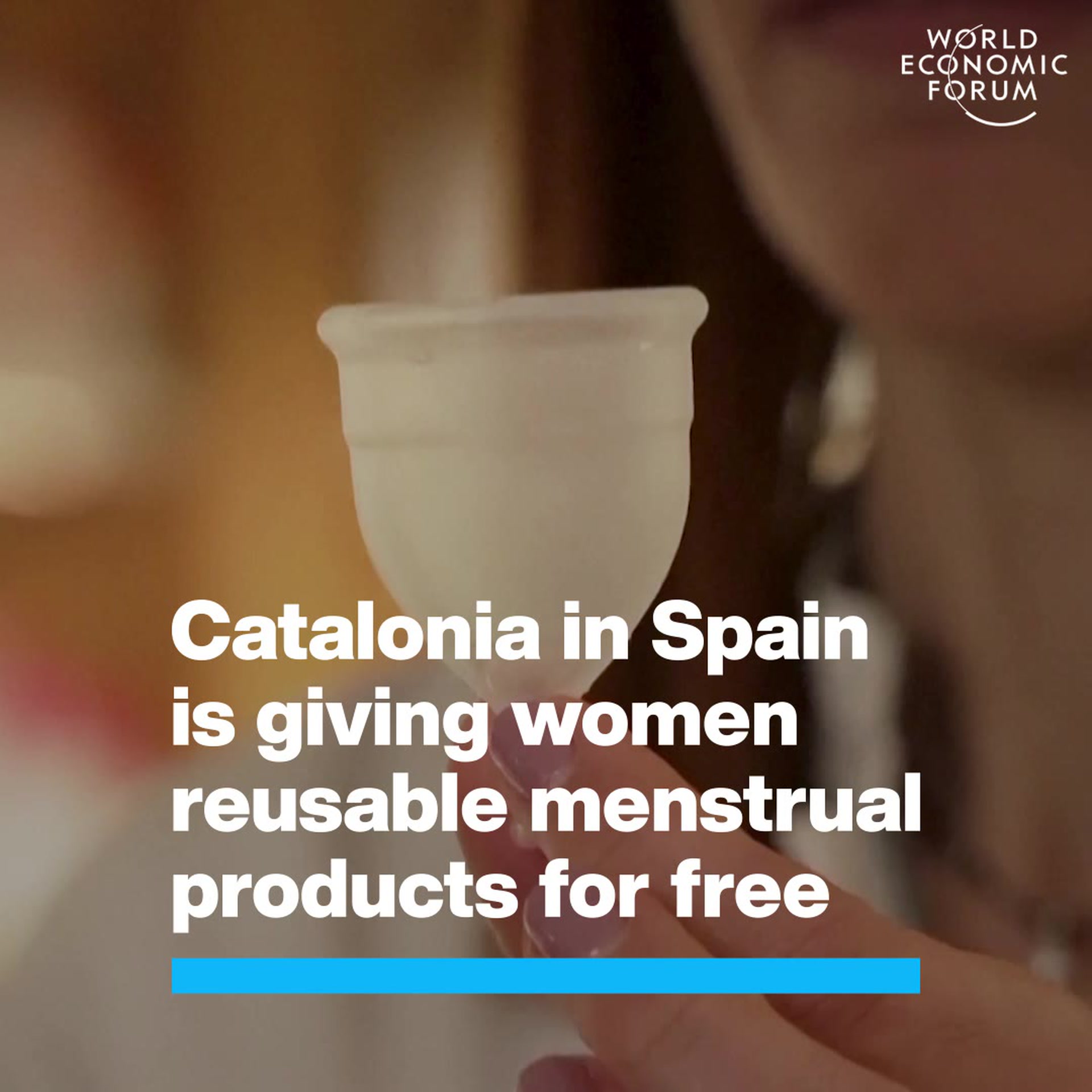
Catalonia joins movement for menstrual equity with free reusables
Reusable menstrual cups, underwear, and pads are on offer at more than 3,300 pharmacies throughout the region. They’re available to 2.5 million women, girls, non-binary or trans people wh...


Can improving women's health lead us on a path to economic growth?
An increasing number of corporate and technological initiatives are seeking to resolve women's health issues to boost impact individual and societal gain.
5 ultra-rare diseases you might not know about
Globally, an estimated 263-446 million people live with a rare disease, but the numbers are unclear due to a lack of data. Most of these diseases will never be diagnosed.


The global food system no longer meets our health needs. Here are 4 changes that can help us to eat better food
These changes to everything from supermarket layouts to food labelling can reshape food systems and help us live longer and healthier lives.


How countries can save millions by prioritising young people's sexual and reproductive health
Unintended adolescent pregnancies have significant health, social and economic repercussions in Asia Pacific. Better sexual health education could help.