

Trade and Investment
How more adaptive finance and predictable trade rules can keep global trade moving
Adaptive trade finance and predictable policy change can keep viable cross-border transactions funded as global trade rules shift.

Drip is a financial technology company building modern infrastructure to make trade finance and B2B commerce easy and accessible for small businesses worldwide. Its AI-native, predictive underwriting and processing engine streamlines credit assessment and automates end-to-end transaction workflows. To date, Drip has facilitated more than $8 billion in cross-border trade for 11,000 businesses across 60 countries.
Working to close the $1.8 trillion global trade finance gap, Drip enables small and midsize businesses to trade with confidence across borders. The company has built a strong partner ecosystem — including leading capital providers such as Barclays, TD Bank, and the IFC, as well as logistics firms, insurance brokers, and B2B invoicing platforms — to expand distribution and impact. Drip is backed by global investors including Accel, Sequoia, Wing VC, Sumitomo Mitsui Banking Corporation, and Y Combinator.

Adaptive trade finance and predictable policy change can keep viable cross-border transactions funded as global trade rules shift.
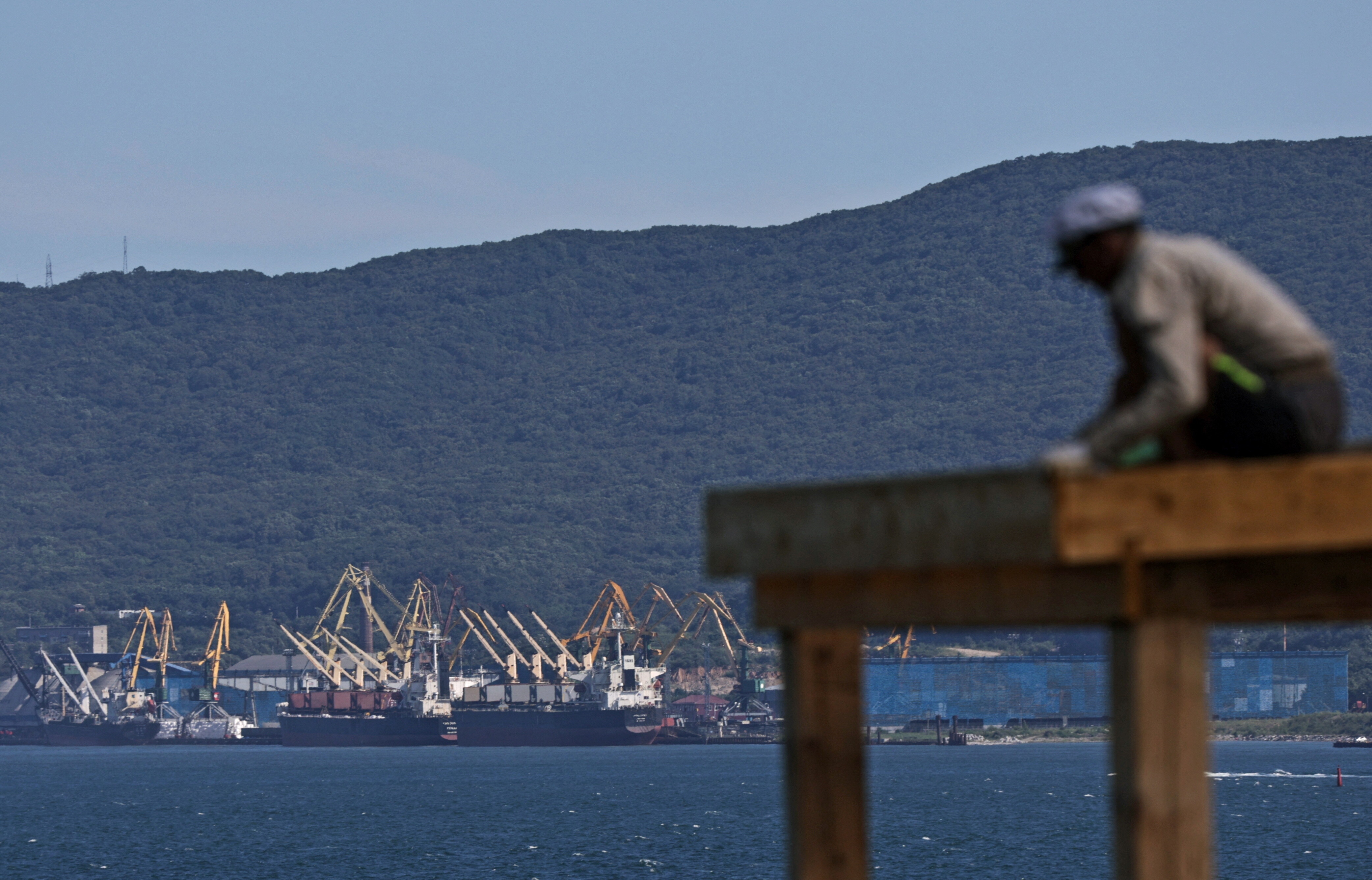
AI is helping global trade run smoothly, but it also risks locking in the wrong data, potentially shutting out developing economies from global trade for good.
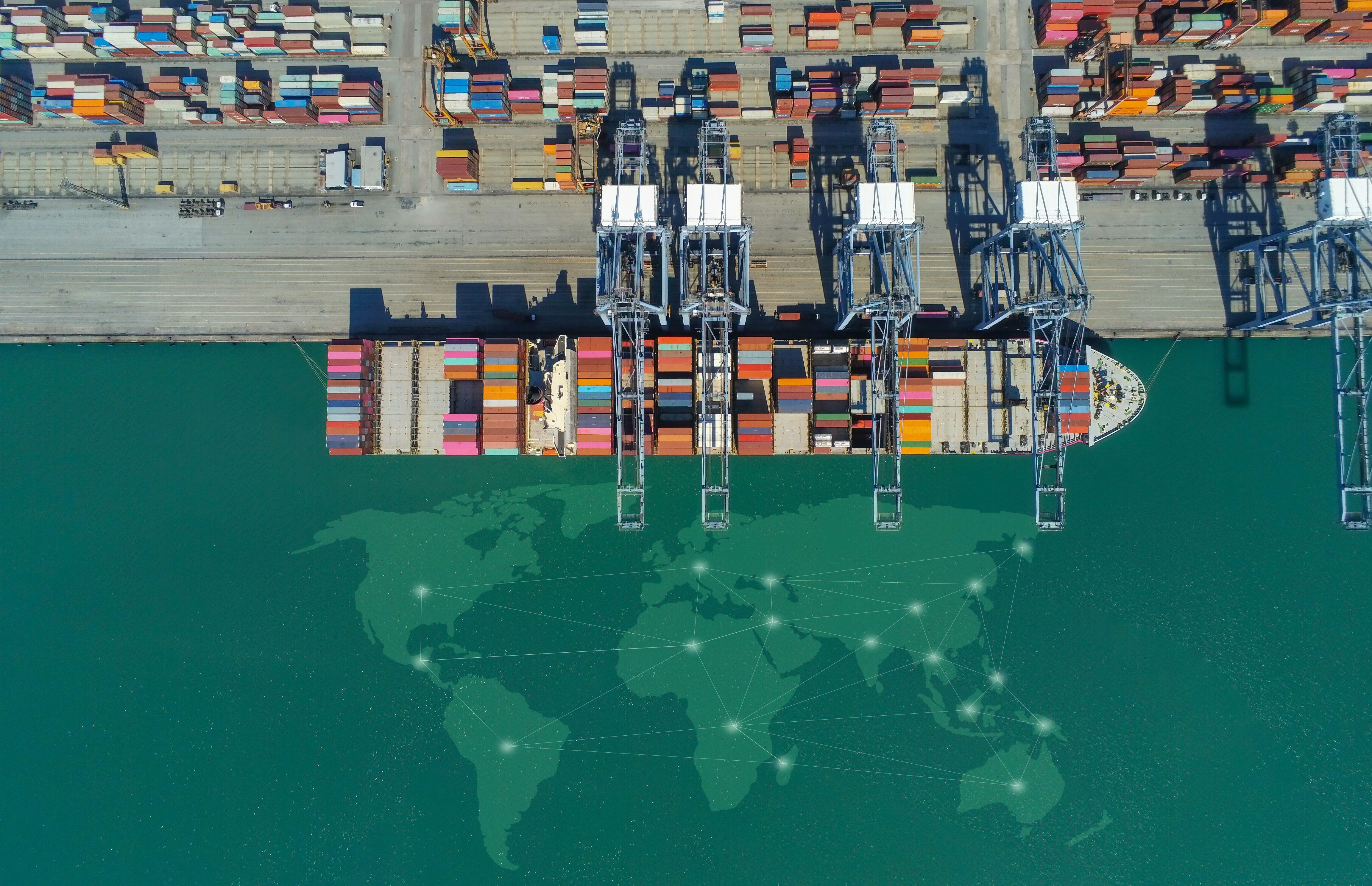
Treating trade data as a responsibly governed global public good can turn invisible collateral into one of the few scalable, system-wide levers capable of narrowing the financing gap.