How we can rethink humanitarian supply chains for the 21st century
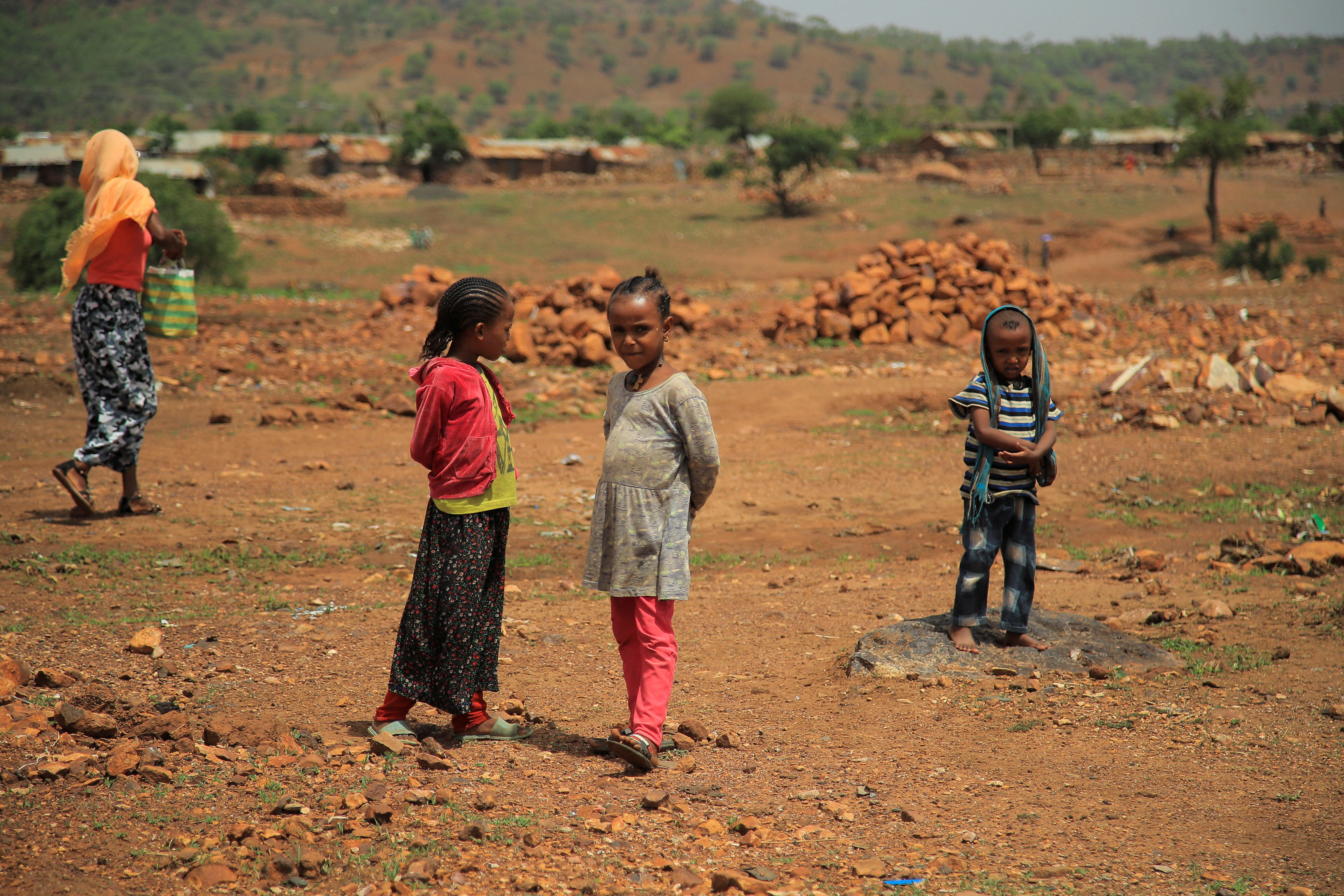
Responsible for 60-80% of response costs and essential for life-saving assistance, supply chains are key to humanitarian impact and need to be recognized.

The European Union maintains diplomatic relations with nearly all countries in the world. It has strategic partnerships with key international players, is deeply engaged with emerging powers around the globe, and has signed bilateral Association Agreements with a number of states in its vicinity. Abroad, the European Union is represented by a number of delegations that have a similar function to those of an embassy.
Responsible for 60-80% of response costs and essential for life-saving assistance, supply chains are key to humanitarian impact and need to be recognized.
Business as usual in the global trading system will not help meet the Paris Agreement goals – transport, investment, trade and finance need to transform.
At the Forum's Annual Meeting 2023, trade leaders from Ecuador, the EU, Kenya and New Zealand unveiled a new Coalition of Trade Ministers on Climate.
The Centre for the New Economy and Society is providing a platform for leaders to shape inclusive and equitable economies and societies that create opportunity for all.
The Centre for Urban Transformation is advancing public-private collaboration in cities, enabling more resilient and future-ready communities and local economies.