Live updates

Coca-Cola says "act now" for the long-term

“Clearly we need to act now” - The Coca-Cola Company steps up its sustainable business leadership.

The Coca-Cola Company calls on leaders of the largest companies in the world to grow and strengthen their businesses while taking on critical environmental and social issues - as part of its support for the Ceres Roadmap 2030 - a 10-year action plan for sustainable business leadership.

Accept our marketing cookies to access this content.

These cookies are currently disabled in your browser.

Chairman and CEO of the Coca-Cola Company, James Quincy, speaking with Ceres CEO Mindy Lubber, said for any company, big or small, embracing a sustainable business strategy is about taking a long-term approach. Despite the COVID-19 pandemic, and the economic disruption in 2020, he urges companies to continue maintaining a long-term commitment to their sustainability goals.

Among a range of World Economic Forum initiatives, the Coca-Cola Company is a driving force in the Forum’s Environment and Natural Resource Security project, our Future of Consumption Platform and retail / consumer goods initiatives.

The company has made strides to work together with others to create a world without waste, and believes as organizations continue to partner on solving the world’s greatest issues together, solutions can be found.
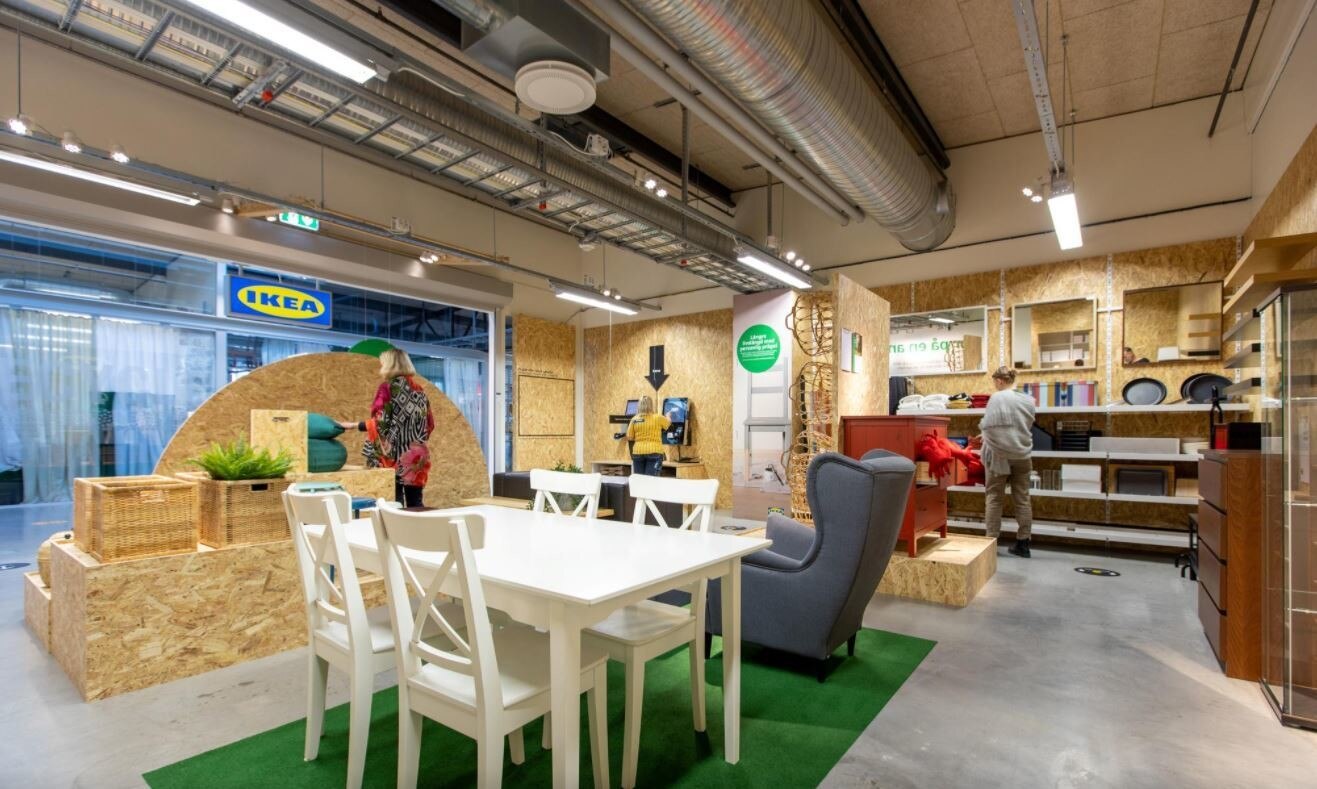
IKEA's second-hand pilot store

IKEA, the world’s biggest furniture retailer, will on Monday open a pilot second-hand store for IKEA furniture in Sweden as part of its efforts to reach its 2030 climate targets. The store in Eskilstuna west of Stockholm will, after the used furniture is repaired or brushed up in an adjacent repair shop, sell the items at below their initial price, IKEA Sweden’s head of sustainability Jonas Carlehed said.

The goods come from municipal recycling centres in the area, where people can donate furniture.

IKEA has a target to be circular - which includes using renewable or recycled material only, and helping customers prolong the life of their products - by 2030.

Cognizant: streamlining the digital transition

"Everything that can move online must move online".

Accept our marketing cookies to access this content.

These cookies are currently disabled in your browser.

PepsiCo and the next crisis: hunger

At COVID-19’s onset, the battle lines of the fight against food security were more clearly drawn – global supply chain disruptions and economic devastation brought to light a worldwide need for immediate hunger relief, spurring a concerted effort to provide meals for those in need.

Yet with a devastating increase in food insecurity looming on the horizon and timing for our collective “return to normal” still uncertain, immediate humanitarian aid is now only part of the solve for pandemic-driven global hunger. Long-term development solutions to food insecurity are needed in lockstep with short-term aid to ensure that in future crises, we have the infrastructure in place to weather shocks to our global food systems.

The COVID-19 pandemic has forced governments, businesses and non-profits to pivot their goals and provide crucial and immediate support to their communities... Despite the setbacks caused by COVID-19, we are aiming to help achieve “Zero Hunger,” by 2030.

—Jon Banner, EVP, PepsiCo Global Communications and president, PepsiCo Foundation

With an increase in food insecurity looming and timing for our collective “return to normal” still uncertain, immediate humanitarian aid is now only part of the solution for pandemic-driven global hunger.

Long-term development solutions to food insecurity are needed in tandem with short-term aid to ensure that in future crises, there is the infrastructure in place to weather shocks to global food systems.

Since March, PepsiCo has worked with more than 60 partners and local non-profits to distribute more than 130 million meals to communities impacted by COVID-19.

The Foundation has partnered with CARE’s She Feeds the World program to reach small-scale farmers and their families with training on topics that include leadership, climate-smart agriculture practices, sanitary food preparation, health, nutrition, savings and loans, and gender equality.

In rural Mexico, where most people live in food poverty and child malnutrition is prevalent, the PepsiCo business and Foundation are partnering to provide opportunities across the supply chain for agricultural producers to build sustainable, resilient farms to support their communities.

Unilever geolocates deforestation

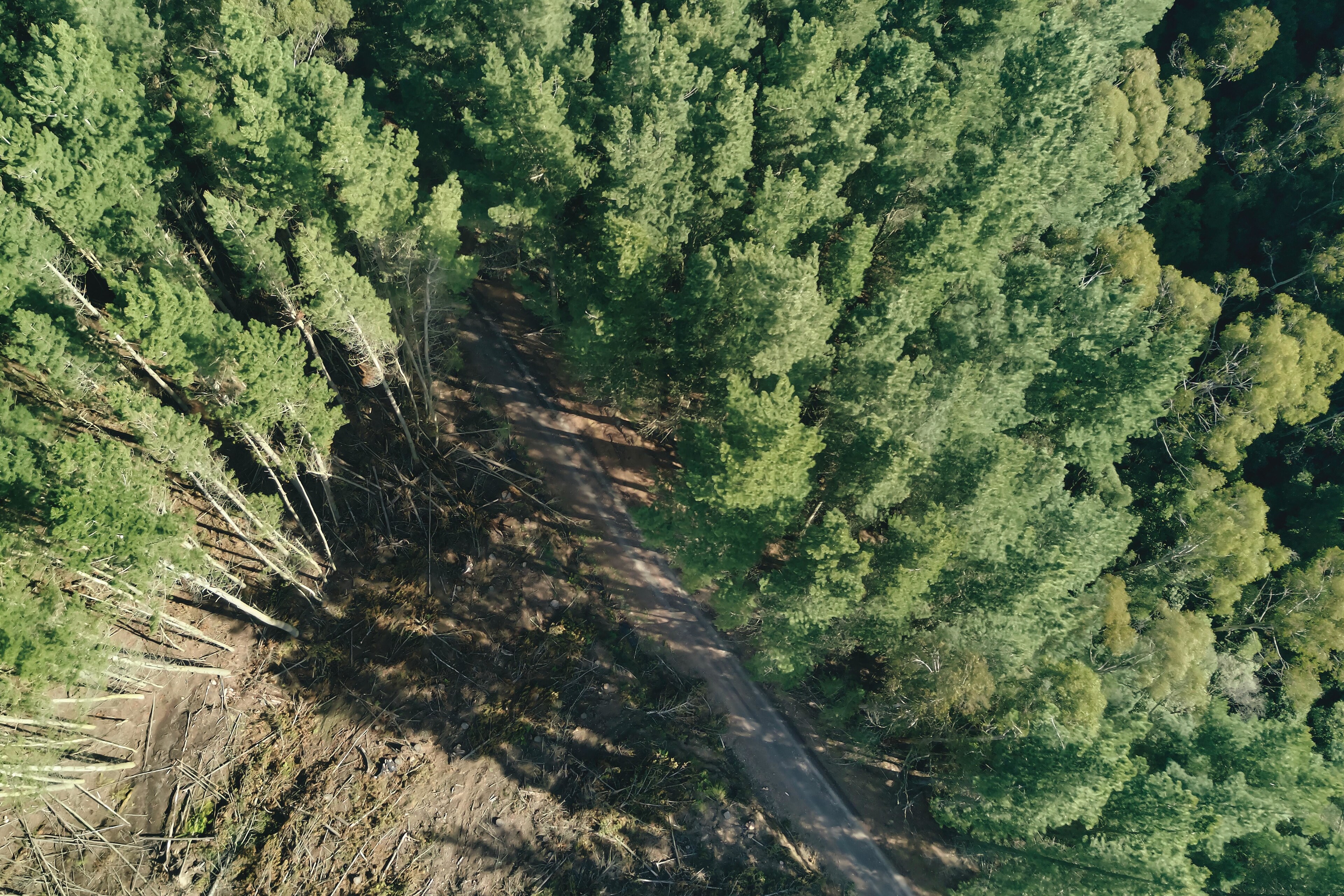
Unilever is using geolocation data and satellite imagery to identify places where deforestation may have occurred in a pilot with tech company Orbital Insight.

Image: Photo by gryffyn m on Unsplash

The combined data helps locate exactly where some of Unilever's raw materials come from for its products, which range from Ben & Jerry’s ice cream to Axe deodorant.

It has historically been hard to trace the exact origins of ingredients down to the individual farm or field, according to Marc Engel, the company’s chief supply chain officer.

“When you traditionally look at these supply chains, they’re very long and they’re very un-transparent … You are at the end of it, when you consume your cup of tea or you wash your hair with Dove or you eat a Ben & Jerry’s, you’re at the end of that chain. And then at the beginning of the chain is usually a farmer, or a company that uses the land. And then there’s a whole host of parties in between.”

—Marc Engel, Chief Supply Chain Officer, Unilever

About us

Engage with us

Quick links

Language editions

Privacy Policy & Terms of Service

Sitemap

© 2025 World Economic Forum