


Artificial Intelligence
AI正加速职场重塑:您在寻找的下一位关键员工,或许早已在您的团队之中
企业若试图通过外部招聘来应对AI带来的人才结构变化,可能会承担隐性成本。 除招聘成本更高之外,外部招聘还会削弱现有员工在AI转型压力下的信任感。 企业应转向以人为本的战略,优先投资技能建设,并推动人才内部流动。
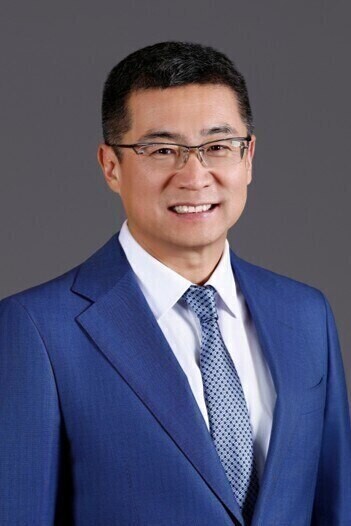
Ni Ying is the current CEO and Executive Director of the Adecco Group China. He graduated
from Beihang University and holds an EMBA from Cheung Kong Graduate School of Business.
Ni Ying joined the Beijing Foreign Enterprise Service Group (FESCO) in 1995 and subsequently
served as Deputy General Manager of Human Resources for the Beijing Company, and later,
was promoted to the Deputy General Manager of the FESCO Group and the General Manager
of Shanghai Company.
In 2010, he successfully participated in the Joint Venture negotiations between FESCO and
the Adecco Group to establ ish a Joint Venture company focusing on providing human
resources solutions to clients. He became the CEO of the newly created Joint venture
company, FESCO Adecco China.
Ni Ying demonstrated his commitment to attracting outstanding talents to the newly formed Joint Venture, shaping a new corporate culture, and ensuring the company capitalizes on the benefits of being both a state-owned enterprise and a foreign partner. He established over ten regional companies and founded Professional Service brands such a s Renliwo, FA Tech,
and FA Digital.
In 2021, Ni Ying officially joined the Adecco Group and is responsible for all of the Adecco Group’s investments in China. He also became part of the Joint Venture Management as a member of the Board of Directors of FESC O Adecco. Later, when LHH FESCO was introduced to China in 2022, it became a majority controlled subsidiary (a second joint venture with
FESCO) of the Adecco Group. The company is committed to introducing this world renowned
talent solution brand successfu lly in China, with Ni Ying serving as Chairman and CEO.
By 2025, the Adecco China's revenue will exceed 30 billion CNY, with China becoming the second largest market for the Adecco Group in terms of total revenue.
企业若试图通过外部招聘来应对AI带来的人才结构变化,可能会承担隐性成本。 除招聘成本更高之外,外部招聘还会削弱现有员工在AI转型压力下的信任感。 企业应转向以人为本的战略,优先投资技能建设,并推动人才内部流动。

Companies that hire externally to resolve AI-related workforce upheaval may end up paying a hidden cost. A human-centric strategy that enables internal mobility is better
