Mangle
Problem Statement
The city of Cartagena is one of the most nationally and internationally recognized coastal, port, industrial, and tourist districts, composed of islands, peninsulas, and extensive continental water bodies. It represents one of the cities with the highest economic growth in the Colombian Caribbean.
However, despite this great wealth that characterizes Cartagena, it is important to remember that the consequences of pollution and polluting actions daily affect the quality of life of the city, its inhabitants, and its surroundings. Although pollution can occur in different spheres, there is one that consistently impacts Cartagena: plastic pollution. As mentioned earlier, being a coastal city, Cartagena has various bodies of water that suffer from the dumping and inadequate waste management by the community and outsiders.
According to the United Nations Environment Programme (UNEP), approximately 70% to 85% of the trash in the Caribbean Sea comes mainly from land-based activities involving plastic waste (2019). Although awareness of the seriousness of this issue has grown, and measures have been taken to mitigate the impact (such as the prohibition of single-use plastics and plastic bags, etc.), it is necessary to continue with various efforts as the problem remains current within the city, damaging ecosystems like corals, deteriorating water quality and beaches, causing all kinds of diseases, and more.
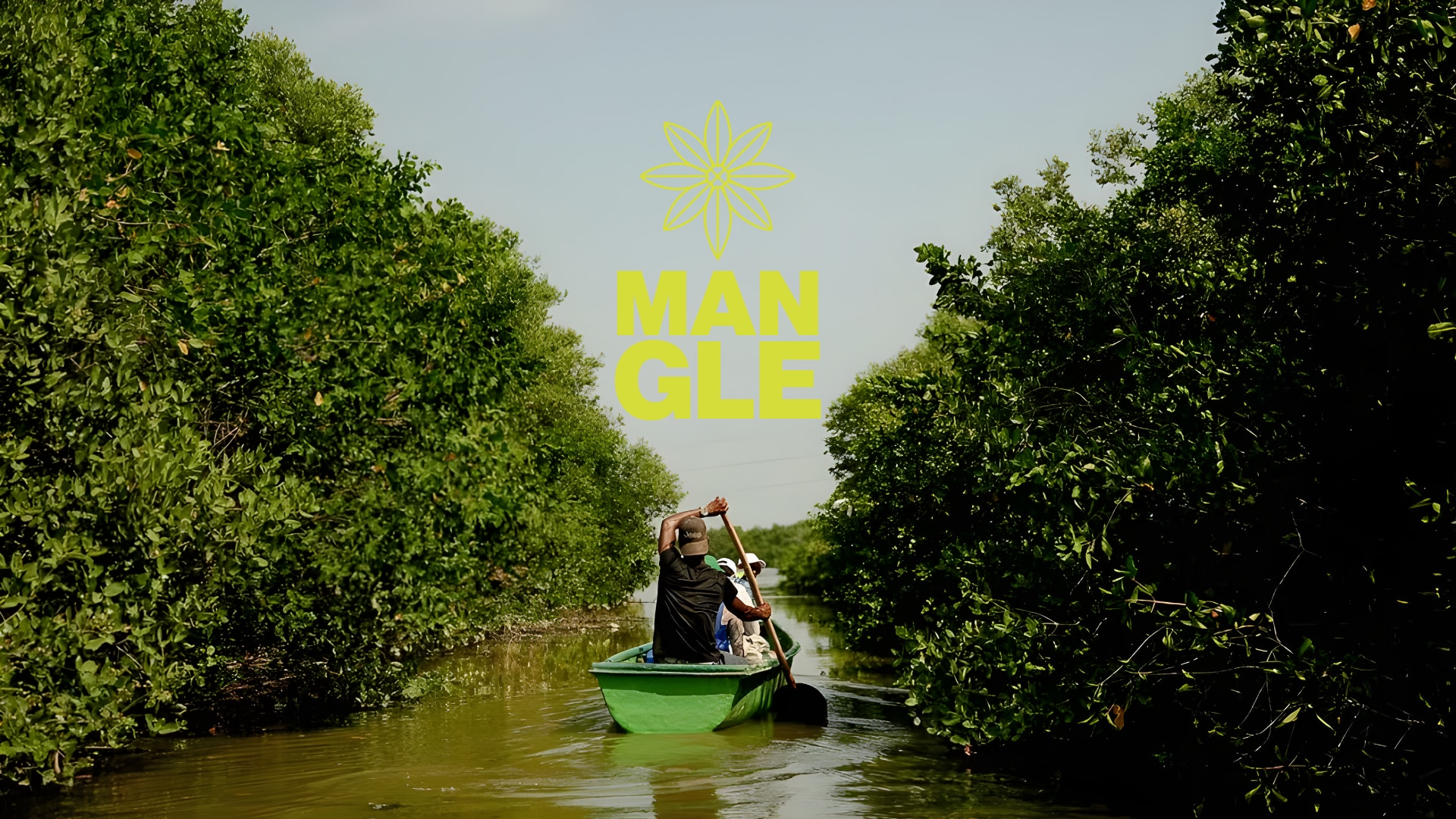
Added to this problem is the degradation of mangrove ecosystems, natural barriers that protect the coast, harbor biodiversity, and capture carbon. These ecosystems, emblematic of Cartagena, are threatened both by plastic pollution and human intervention, requiring urgent restoration and conservation actions.
With this focus, the objective of the MANGLE project is to strengthen environmental education, a vital component that enables and facilitates behavior change for all those who are part of Cartagena. Developing awareness of environmental damage represents the first key step to mitigating problems that worsen annually in the city. Through different tools and deliberative activities - such as environmental education workshops covering topics related to the importance of recycling, how to properly recycle single-use plastics, and the ecological value of mangroves - this knowledge will be consolidated and integrated into Cartagena's culture. Similarly, all these lessons will be put into practice through cleanup brigades and ecological restoration days.
The purpose behind this project is rooted in our identity as Cartagena natives and our role within the Global Shapers volunteer community. As members of the Cartagena Hub, our vision transcends theory and we seek to turn concern into collective action. Our ambition is aligned with global standards, aiming to integrate into the Global Plastic Action Partnership. By uniting the local strength of our hub with this global action platform, we seek to make Cartagena, beyond solving this internal problem, become a hub of change in the Caribbean.
It is for this reason that by replicating these behaviors in other sectors, remembering that in this fight against environmental pollution it is necessary to teach sustainable practices that future generations can spread to achieve a long-term impact within the city. The motivation of the Cartagena Hub stems from the urgency to protect Cartagena's biodiversity and public health; beyond informing, we seek to execute tangible behavior change in all possible aspects. We hope that future generations receive a Cartagena where its natural wealth is preserved with the same pride we feel today when calling it our home.
General Objective
To strengthen environmental education in children and adolescents from educational institutions in Cartagena through a comprehensive pedagogical model that articulates the mitigation of plastic pollution, the promotion of the circular economy, and the participatory restoration of mangrove ecosystems, enhanced by interactive digital tools that promote citizen ownership and territorial sustainability.
Short-Term Objectives
- Strengthen basic knowledge about recycling, proper waste management, reduction of plastic use, and the ecological importance of mangroves.
- Develop practical and creative skills that promote waste reuse and the circular economy.
- Encourage active student participation in recycling, reuse, space cleanup, and ecosystem restoration activities.
- Train students and teachers in concrete environmental care and ecological restoration actions.
Long-Term Objectives
- Establish sustainable school and community initiatives, such as ecological points, mangrove nurseries, vegetable gardens or composting, allowing replicability in other educational institutions.
- Generate competent youth leadership committed to environmental care and ecosystem restoration.
- Evidence significant changes in community habits related to the use and management of plastic waste and the valuation of mangrove ecosystems.
- Restore degraded mangrove areas in Cartagena through a sustainable model financed by the circular economy and citizen participation.
Theory of Change
Based on the approach of reducing plastic pollution, developing the circular economy, and restoring mangroves that this project presents, it is possible to reference some Sustainable Development Goals related to the purpose of this initiative.
- SDG 4: Quality Education. Considering that the project has substantial pedagogical bases by aiming to impact precisely the youth population in public and/or private educational institutions, environmental education is understood as a complement to these quality formative processes.
- SDG 11: Sustainable Cities and Communities. This project directly contributes to generating cleaner community spaces and people aware of their care. Additionally, the circular economy component promotes community sustainability in an environmentally friendly way, and mangrove restoration strengthens coastal resilience.
- SDG 12: Responsible Production and Consumption. The main purpose of this project is precisely to transform habits of plastic consumption, management, and even reuse to combat the environmental problems triggered by these materials, therefore aligning with this development goal.
- SDG 13: Climate Action. Mangrove restoration contributes to blue carbon capture, mitigating the effects of climate change.
- SDG 14: Life Below Water. The protection and restoration of mangroves directly impacts the conservation of marine and coastal ecosystems, habitat for countless species.
Educational Actions
Recognizing the challenges Cartagena faces regarding environment and sustainability, the project seeks to focus on the environmental education of children and adolescents from primary and secondary educational institutions; to do this, it aims to combine themes such as the eradication of plastic pollution, while also joining activities that promote a green circular economy and the active restoration of strategic ecosystems like mangroves, a symbol of resilience and life in our city.
The project's implementation is planned in 4 integrated phases that connect environmental education, the circular economy, and ecological restoration:
Phase 1 - Training Roots of Knowledge
Implementation of educational workshops focused on local environmental awareness, with emphasis on:
- Importance of mangroves as a protective ecosystem for coastal life: their ecological functions, species present in Cartagena, and their relationship with water quality and biodiversity.
- Problem of single-use plastics and their impact on water bodies, beaches, and mangroves.
- Awareness about recycling, proper waste management, and the circular economy.
For these workshops, entities such as PaCaribe and EPA Cartagena are sought to help generate pedagogical processes led by experts, including educational outings to mangrove ecosystems (such as Ciénaga de la Virgen or La Boquilla) so that students can see first-hand their importance and the threats they face.
Phase 2 - Creative Eco-laboratory Plastic that Transforms
Considering the circular economy component, this phase seeks for students to learn how to transform plastic and solid waste into useful and marketable products such as:
- Biodegradable pots for nurseries.
- Bags, purses, and crafts.
- Decorative items and basic furniture for school spaces.
- Drip irrigation systems using recycled bottles for gardens.
Financial component of the project: The resources obtained from the sale of these products (at school fairs, commercial alliances, local stores, or digital platforms) will be allocated entirely to Phase 4 of mangrove restoration, creating a virtuous cycle where recycling finances ecological recovery. Students will participate in pricing, sales strategies, and fund management, developing entrepreneurial skills.
Phase 3 - Community Action Heroic for the Environment
Intervention days in territories near educational institutions and prioritized mangrove areas:
- Waste collection in streams, beaches, swamps, and green areas, with emphasis on cleaning mangrove areas.
- Classification of usable waste (which will feed Phase 2) and proper disposal of non-usable waste.
- Recovery of spaces through ecological murals with environmental messages, installation of clean points, and ecological signage.
- Participatory identification of degraded mangrove areas suitable for restoration, with support from community leaders and environmental authorities.
Phase 4 - Living Restoration Mangrove Guardians
This phase represents the heart of the project, where students and the community become active restorers of the mangrove ecosystem:
a) School Mangrove Nursery:
- Establishment of temporary nurseries in educational institutions for the germination of propagules and seedlings of different mangrove species (red, black, white, zaragoza, button).
- Students will learn nursery techniques, propagule collection, substrate preparation, and phenological monitoring.
- The nursery will be supplied with biodegradable pots produced in Phase 2, closing the circular economy loop.
b) Restoration Days:
- Planting of mangrove seedlings in prioritized areas (streams, swamps, coastal edge) in coordination with environmental authorities such as EPA Cartagena and Cardique, and with accompaniment from local communities such as La Boquilla fishermen.
- The planted seedlings will be those germinated and cared for by the students themselves, generating a complete "rearing" cycle of the ecosystem.
- Participatory monitoring of mangrove survival and growth, with photographic records and data collection.
c) Sustainable Financing:
- Resources obtained from the sale of products made from recycled plastic (Phase 2) will be allocated to:
- Purchase of inputs for the nursery (biodegradable bags, substrates, small tools).
- Transportation for planting and monitoring days.
- Maintenance of restored areas (seedling replacement, protective fencing).
- Additionally, alliances with companies will be managed for sponsoring restoration areas.
d) Community Mangrove Bank:
A mangrove seedling bank will be established, managed by community leaders, students, and teachers, ensuring a constant supply for future restoration days and response to environmental emergencies.
This bank will function as a climate resilience seedbed for the community, decentralizing seedling production and strengthening local governance of the ecosystem.
Digital Innovation: Mangle Vive Interactive Map
As a tool for transparency, education, and social ownership, an interactive digital map accessible to all Cartagena residents will be developed with the following functionalities:
- 1. Georeferencing of restored areas:
- Real-time visualization of exact points where mangrove plantings have been carried out.
- Before/after photographs of each intervened area, with planting dates.
- Detailed information on the mangrove species planted, number of seedlings, growth status, and responsible planter (educational institution, community group).
- 2. Species identification:
- Interactive visual guide to recognize the different mangrove species present in Cartagena (red, black, white, button, zaragoza).
- Fun facts, ecological functions of each species, and their importance for local biodiversity.
- 3. Virtual sponsorship of mangroves:
- Citizens (local, national, and international) can virtually "sponsor" a mangrove through the interactive map.
Sharing of learnings by students
Exhibition and sale of products made in the Creative Eco-laboratory (Phase 2), whose resources will continue to feed the mangrove bank.
Official presentation of the "Mangle Vive" Interactive Map incorporating the progress made during the project.
Potential Allies
- Selected Educational Institution: Colegio Nuestro Esfuerzo (Pozón) – Colegio Madre Gabriela (Olaya) – Madre Gabriela de San Martín (Fredonia).
- PaCaribe: Support for conducting educational workshops on solid waste management, recycling, and environmental awareness.
- EPA Cartagena: Focused on environmental education and environmental protection, they are strategic for recycling campaigns, awareness, cleanup, and institutional coordination.
- Community Leaders from Comuna 6 and La Boquilla: Previous experience in implementing cleanup activities, recycling, and workshops with children. They will serve as bridges in neighborhoods and educational institutions, and as local guardians of restored areas.
- Cardique: Environmental authority for planting permits, technical advice, prioritization of areas to restore, and scientific accompaniment.
- Invernar (Institute of Marine and Coastal Research): Scientific support on mangrove species, restoration methodologies, monitoring, and baseline generation.
- Grupo Social Foundation / Hernán Echavarría Olózaga Foundation: Potential funders of the digital component (interactive map) and institutional strengthening.
- University of Cartagena (Marine Biology Program) / Technological University of Bolívar:Student internships, technical advice, monitoring of restored areas, applied research, and university volunteering.
- Private Companies (Puerto de Cartagena, Surtigas, Argos, etc.): Sponsorship of mangrove areas as part of their environmental compensation strategies, social responsibility, and community engagement.
- Youth from La Boquilla and Fishing Community: Traditional knowledge about mangroves, tidal dynamics, and species; local guardians of restored areas and project multipliers.
- Cartagena Chamber of Commerce: Support in connecting with companies, project visibility, and potential financing through sustainability calls.
- Puerto de Cartagena Foundation: Experience in ecosystem restoration and community work in coastal areas.
Expected Impact
- Restoration of at least 5 hectares of mangrove in prioritized areas of Cartagena during the first two years of the project.
- Training of 300 children and adolescents as Mangrove Guardians, multipliers of good practices in their communities.
- Generation of resources through the sale of recycled products and virtual sponsorship, ensuring the financial sustainability of the ecological component.
- Creation of the first interactive mangrove restoration map in Cartagena
- Implementation of the pedagogical model in 3 educational institutions in Cartagena, with potential for replication in other Caribbean cities.