Bridging the €6.5 Trillion Water Infrastructure Gap: A Playbook


Despite the centrality of water, and the fact that existing circular solutions, technologies and innovative finance are expanding the tools available to modernize water systems, investment remains insufficient. A projected €6.5 trillion infrastructure gap by 2040 could leave billions of people exposed to absent or outdated systems. Responding to calls from leading intergovernmental organizations, this paper amplifies the voice of the global water industry within the World Economic Forum ecosystem. Developed in collaboration with Acea and the University of Cambridge, it quantifies the global infrastructure gap, assesses the socio-economic benefits of closing it, and offers a strategic playbook for advancing equitable access, infrastructure resilience, circularity and innovation. Drawing on 27 best practices, it shows that solutions already exist and can be adapted and scaled. Above all, it calls for coordinated leadership and a renewed commitment to water stewardship.
Despite the centrality of water, and the fact that existing circular solutions, technologies and innovative finance are expanding the tools available to modernize water systems, investment remains insufficient. A projected €6.5 trillion infrastructure gap by 2040 could leave billions of people exposed to absent or outdated systems. Responding to calls from leading intergovernmental organizations, this paper amplifies the voice of the global water industry within the World Economic Forum ecosystem. Developed in collaboration with Acea and the University of Cambridge, it quantifies the global infrastructure gap, assesses the socio-economic benefits of closing it, and offers a strategic playbook for advancing equitable access, infrastructure resilience, circularity and innovation. Drawing on 27 best practices, it shows that solutions already exist and can be adapted and scaled. Above all, it calls for coordinated leadership and a renewed commitment to water stewardship.
Further reading
All related content 
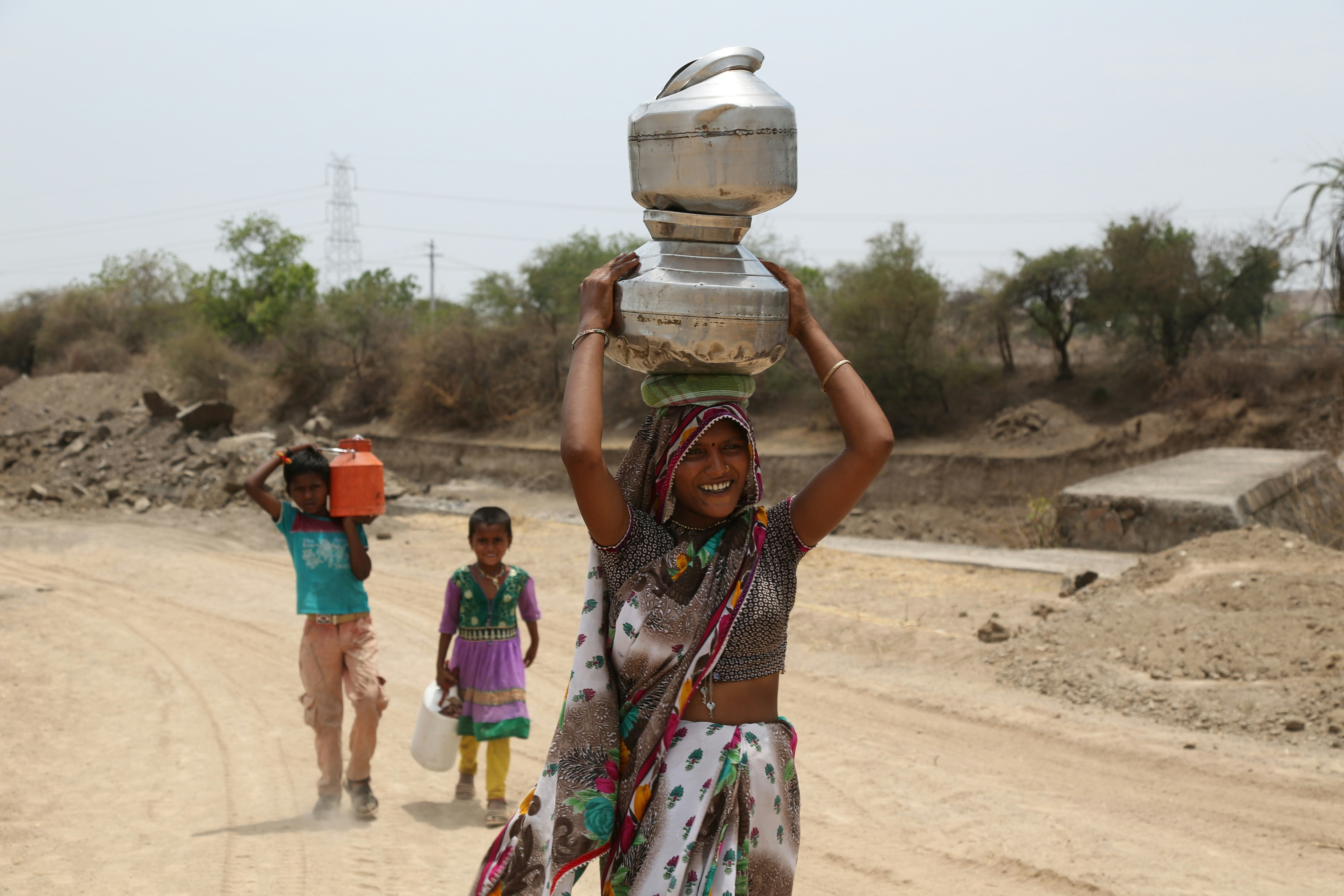

What is World Water Day?
World Water Day is held on 22 March every year. Learn why this day is so important and how this year's theme, Water and Gender, explores the relationship between water, women and equality.
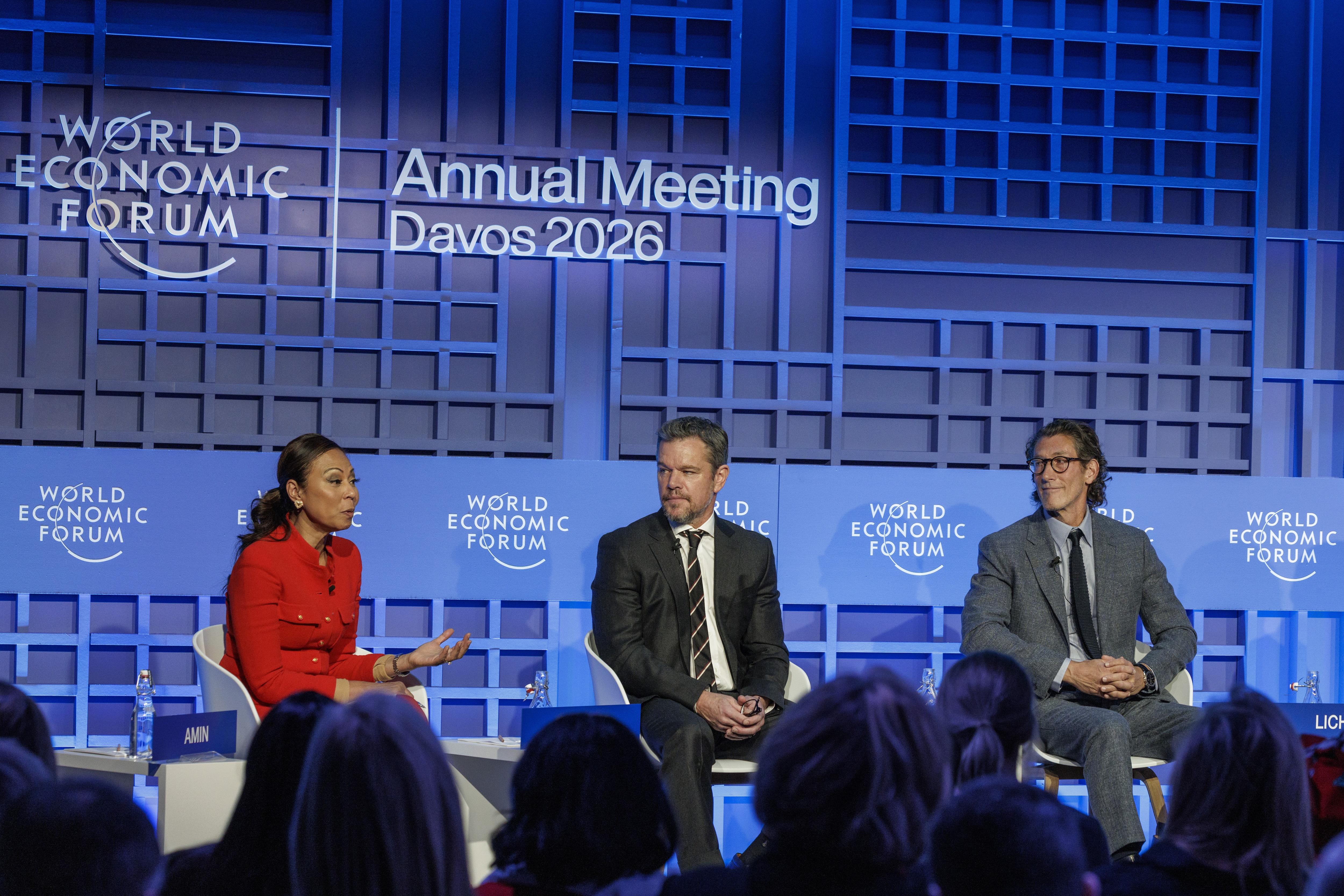

How Davos dialogue delivers: 5 tangible outcomes that show the impact of the Annual Meeting
From digital cooperation on forced labour to water as economic infrastructure, here are five areas that saw concrete action and ambition at Davos 2026.
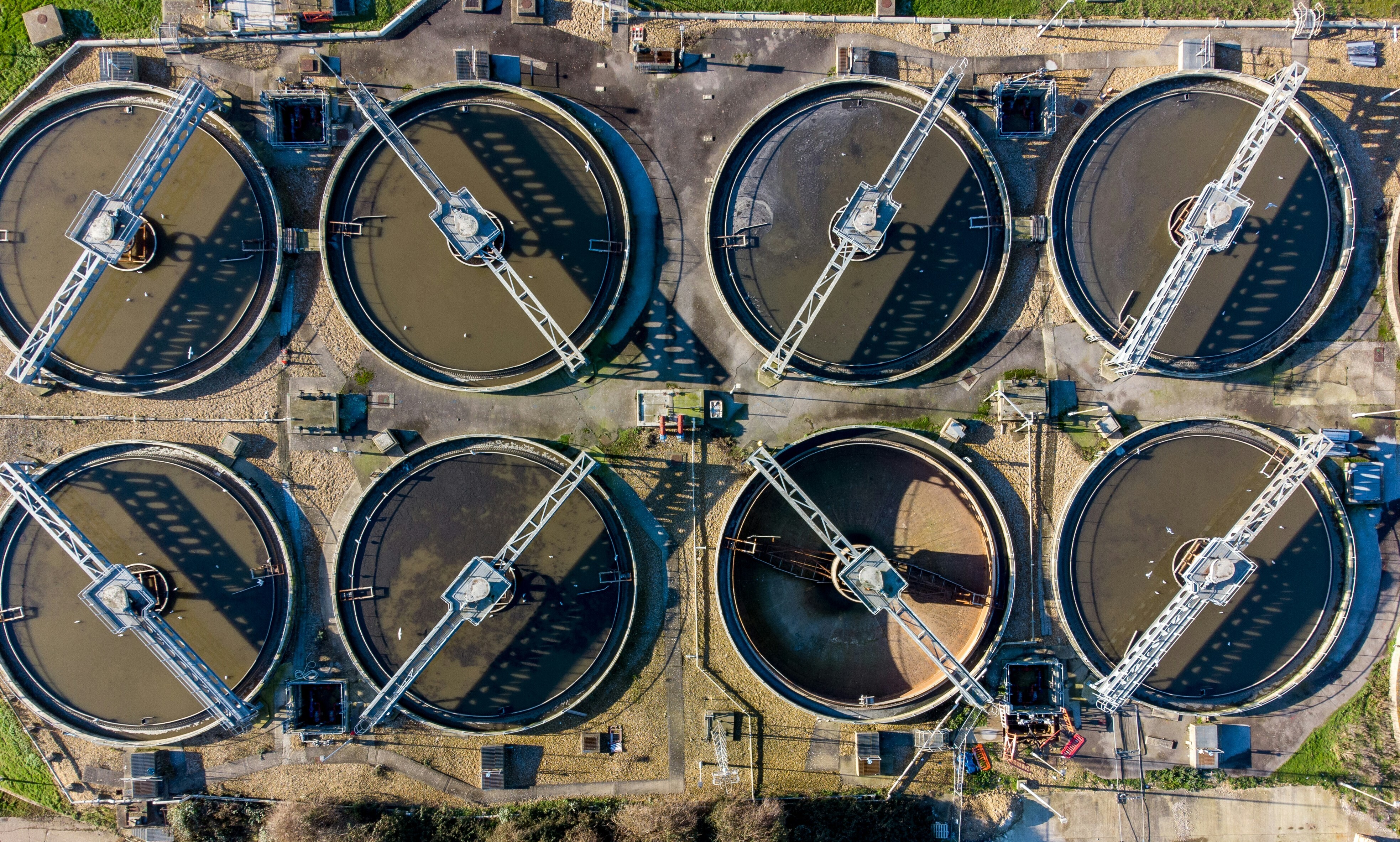

Why water is the catalyst for the next wave of global growth
With coherent policy, innovative finance and collaboration, water infrastructure can become a catalyst for sustainable growth and long-term resilience.