Chief Economists' Outlook: September 2025


The September 2025 Chief Economists' Outlook explores the latest dynamics shaping the global economy, including growth, inflation, policy shifts and technology’s disruptive impact. It highlights the uncertainty of the current environment, underscored by intensifying trade tensions, shifting policies and rapid advances in artificial intelligence. Drawing on insights from the World Economic Forum’s Chief Economists Community and survey, the report provides a forward-looking assessment of risks, resilience and opportunities.
The September 2025 Chief Economists' Outlook explores the latest dynamics shaping the global economy, including growth, inflation, policy shifts and technology’s disruptive impact. It highlights the uncertainty of the current environment, underscored by intensifying trade tensions, shifting policies and rapid advances in artificial intelligence. Drawing on insights from the World Economic Forum’s Chief Economists Community and survey, the report provides a forward-looking assessment of risks, resilience and opportunities.
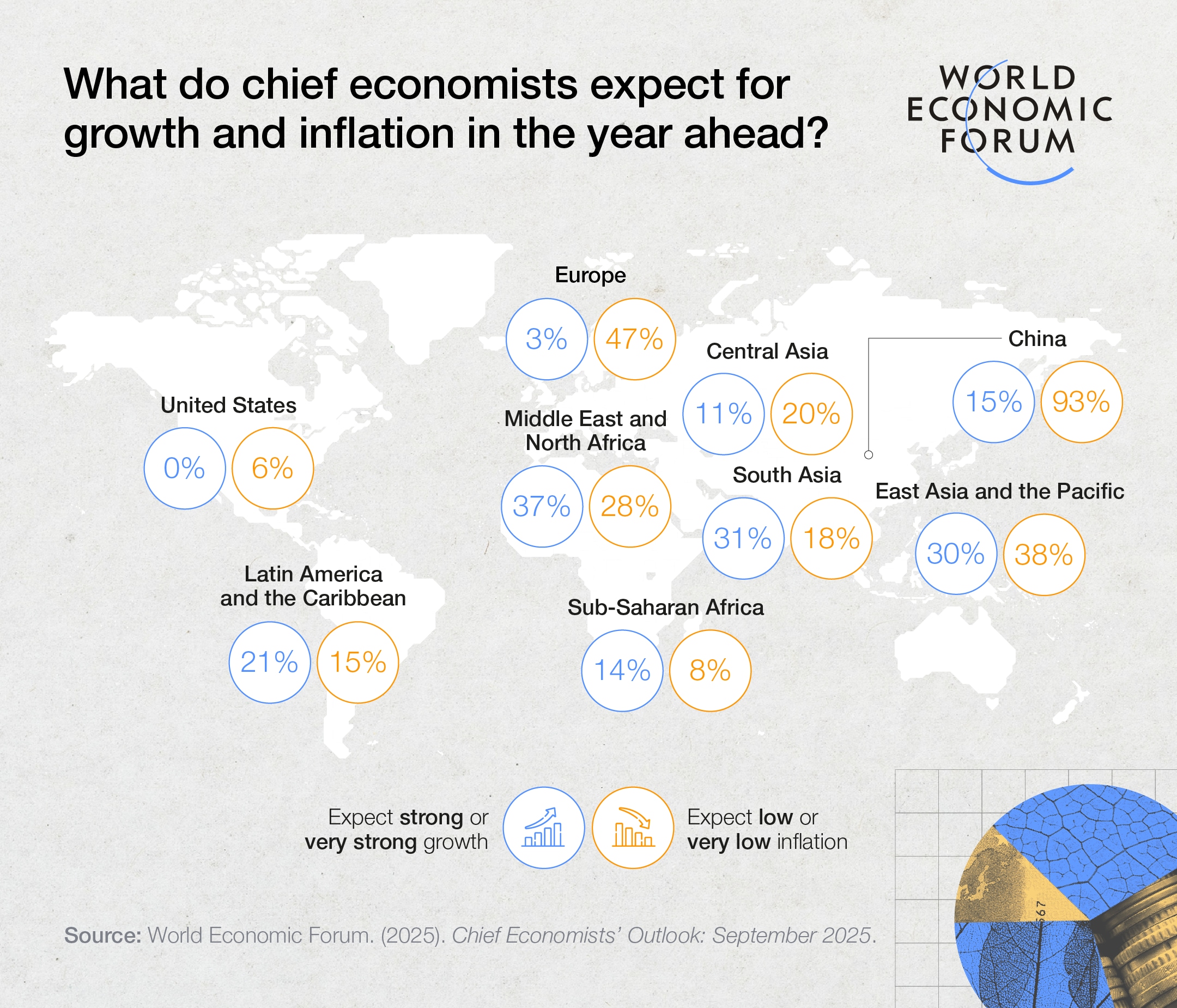
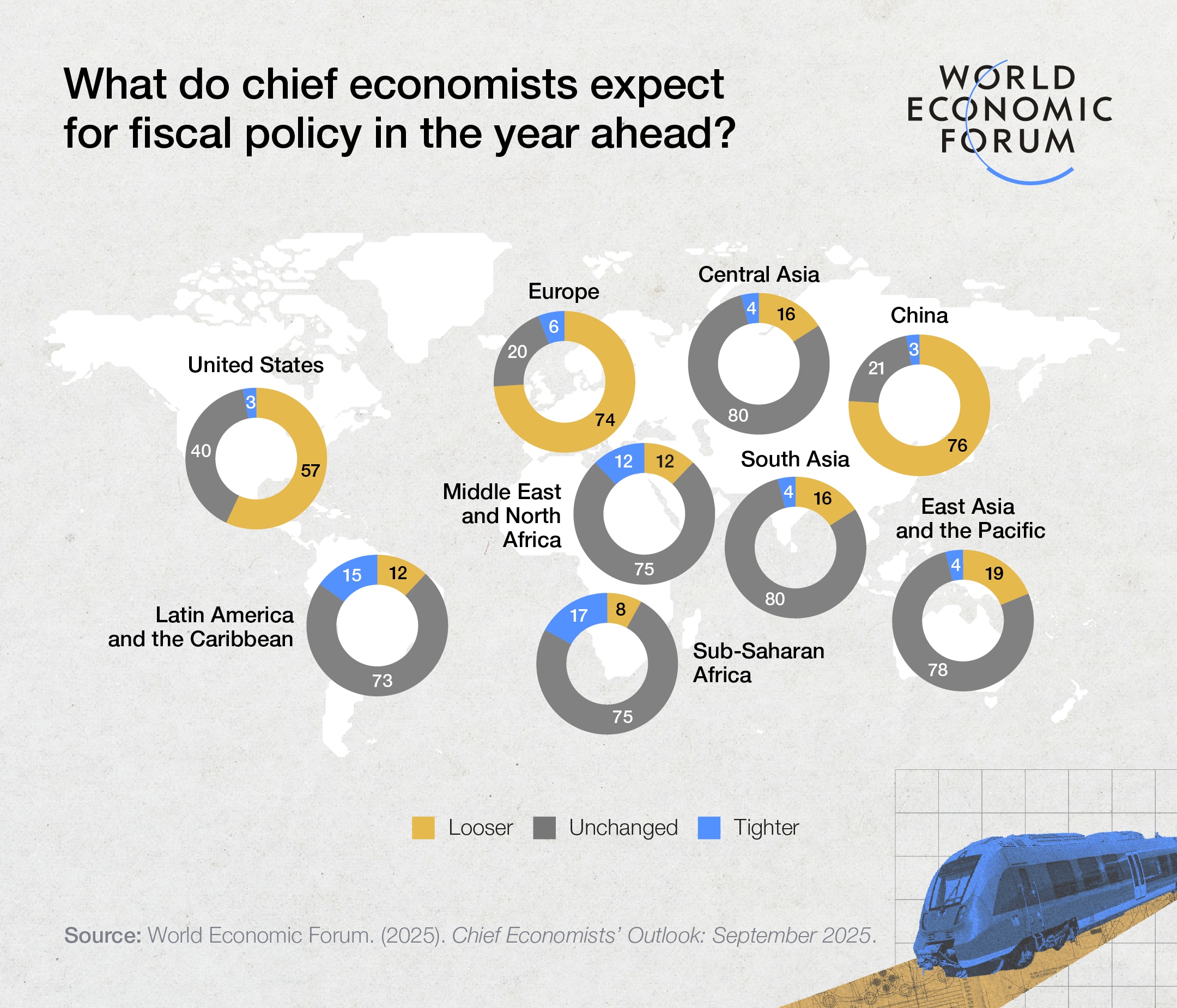
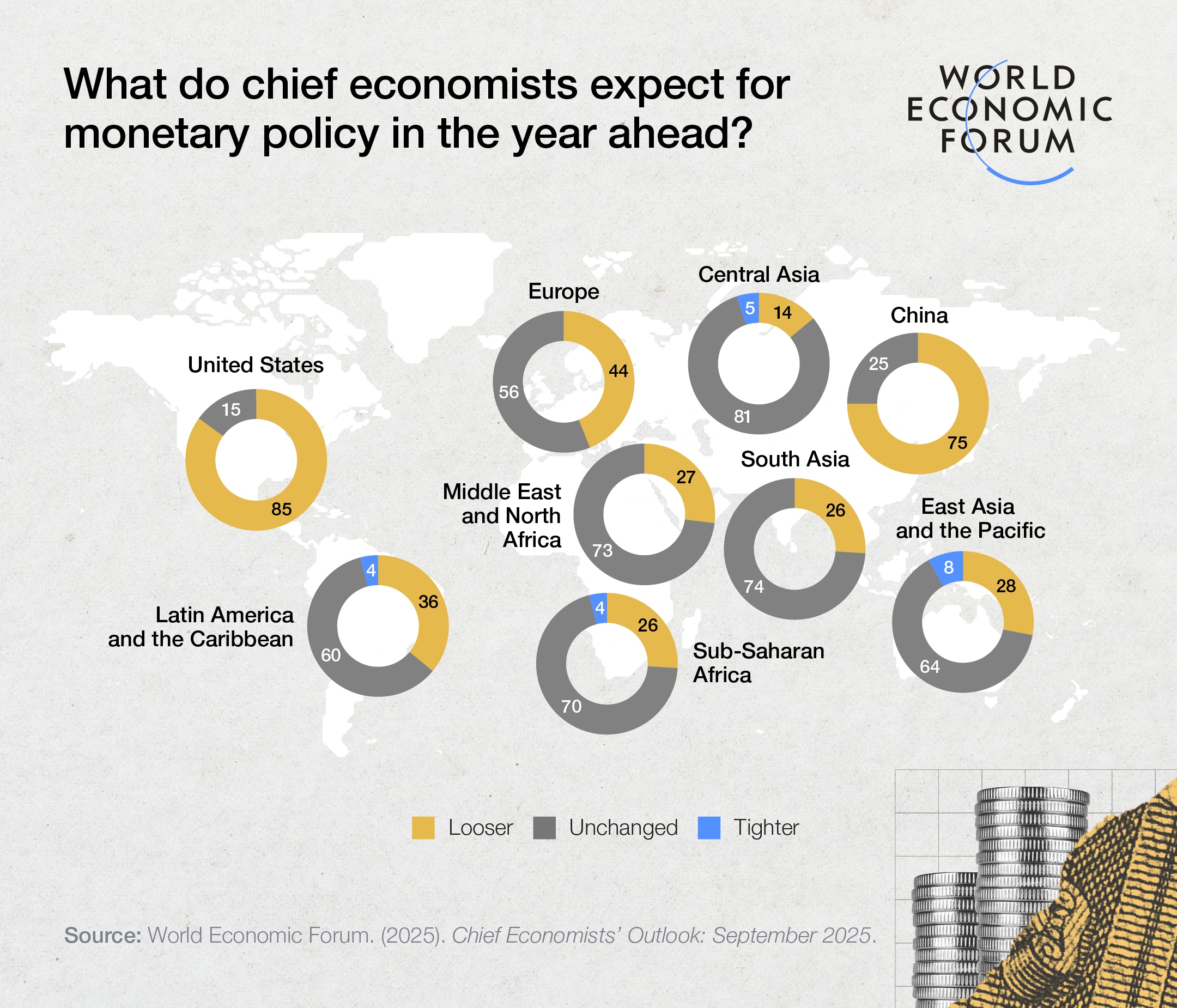
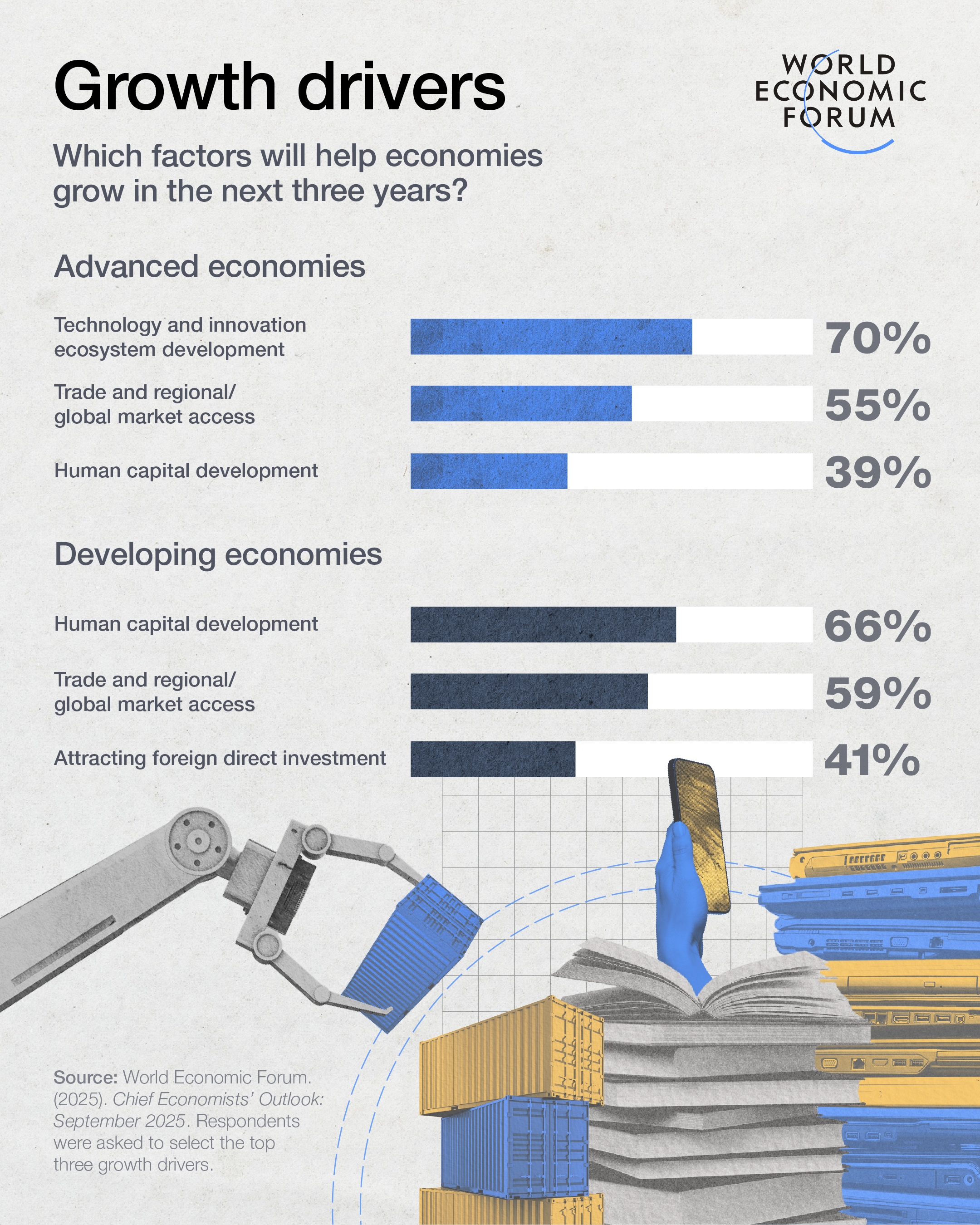
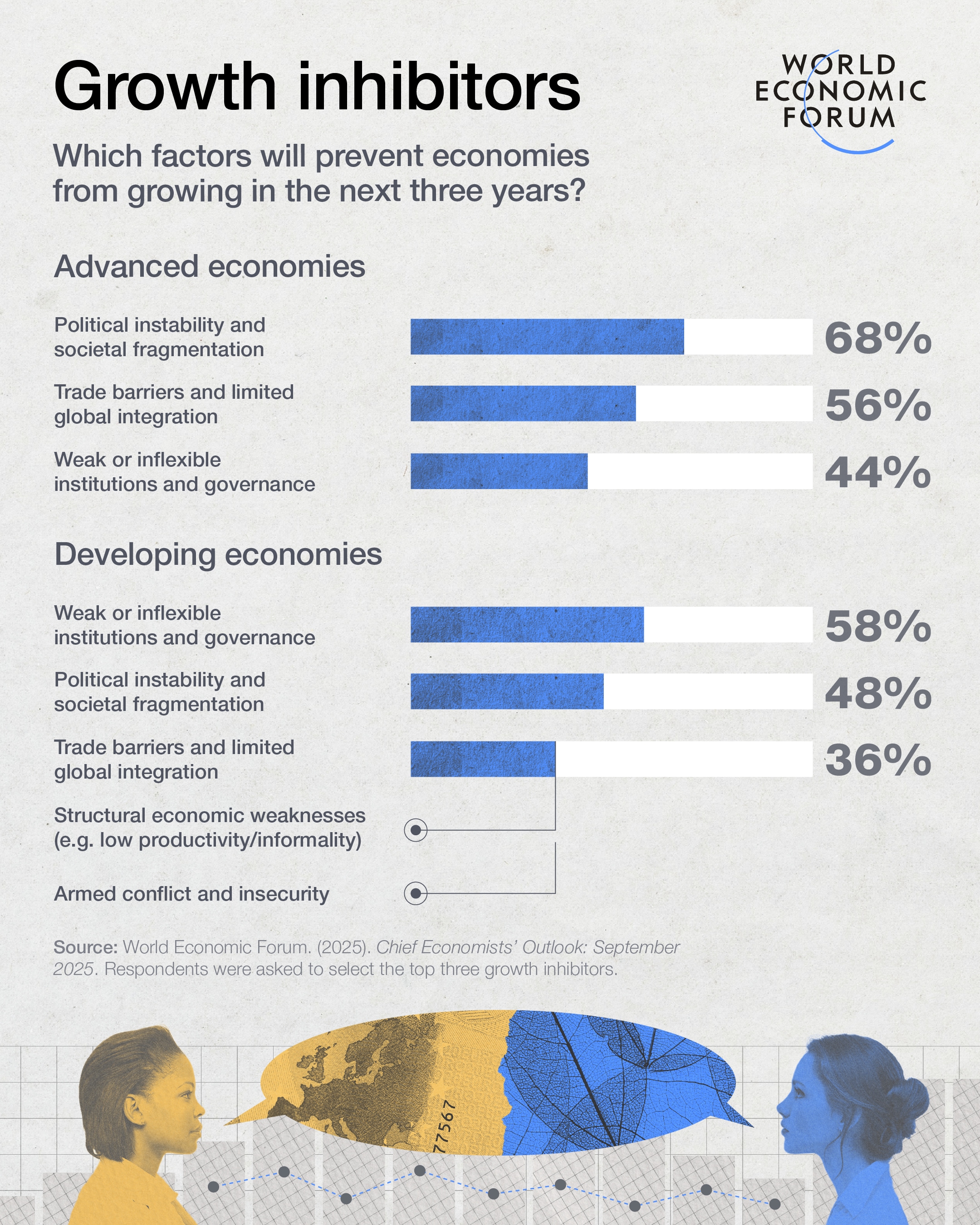
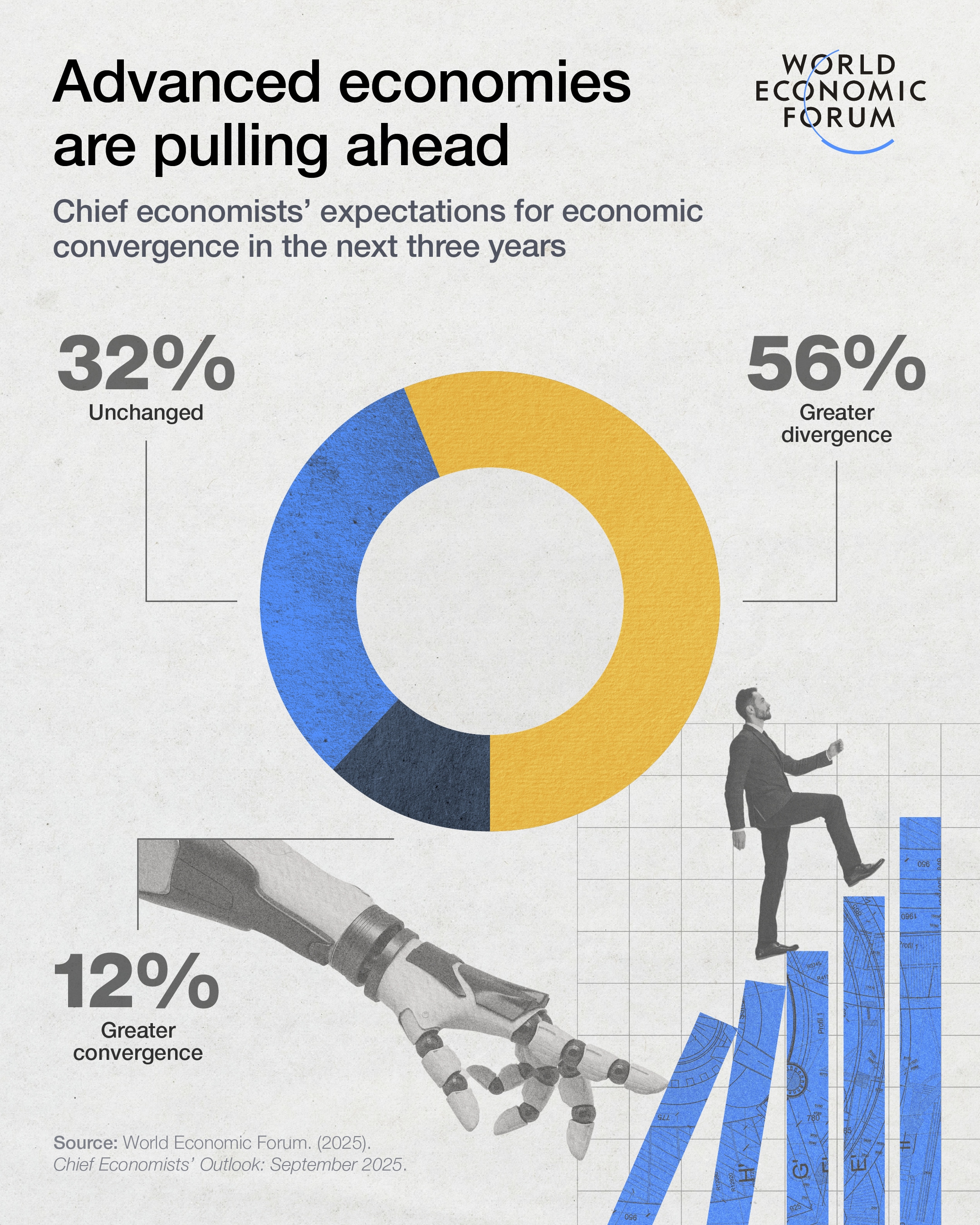
The global economy is undergoing a period of profound transformation, marked by persistent short-term disruption and heightened uncertainty as well as long-term structural change. Regional outlooks are divergent: the US faces subdued prospects and inflationary pressures; Europe shows fragile but improving growth; China confronts deflationary headwinds; and emerging regions such as Sub-Saharan Africa and the Middle East and North Africa project stronger momentum. This edition explores the long-term reconfiguration of the global order, where trade realignments, fiscal imbalances and AI-driven transformation present systemic risks and new opportunities. By recognizing these interlinked forces and preparing adaptive strategies, businesses and policy-makers can better navigate a global economy in flux.





Further reading
All related content 
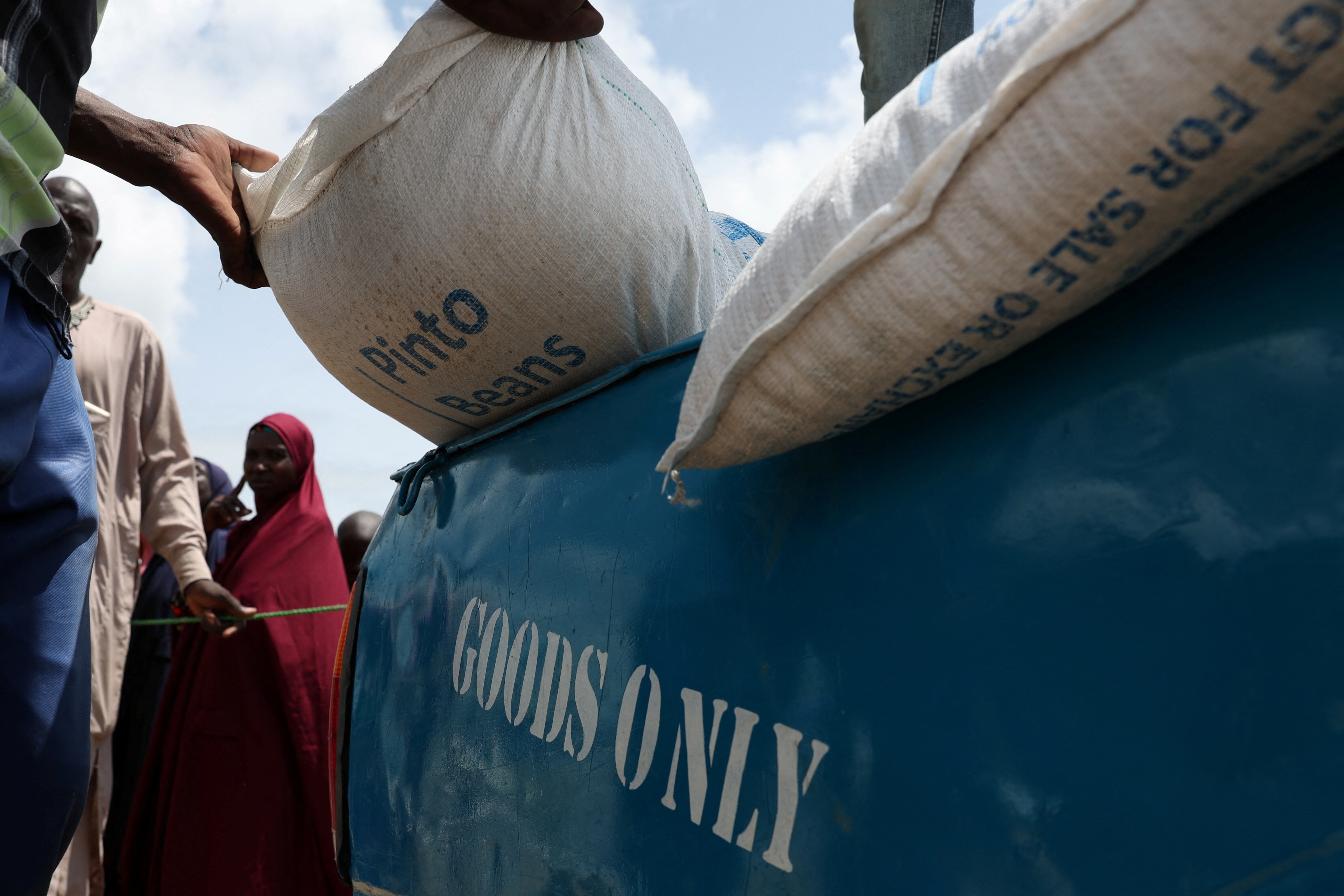

‘Kicking away the ladder’: How to redesign development aid for a new reality
Wealthy countries are slashing budgets for global development aid. In an interdependent world that may prove to be short-sighted, writes Pedro Conceição.
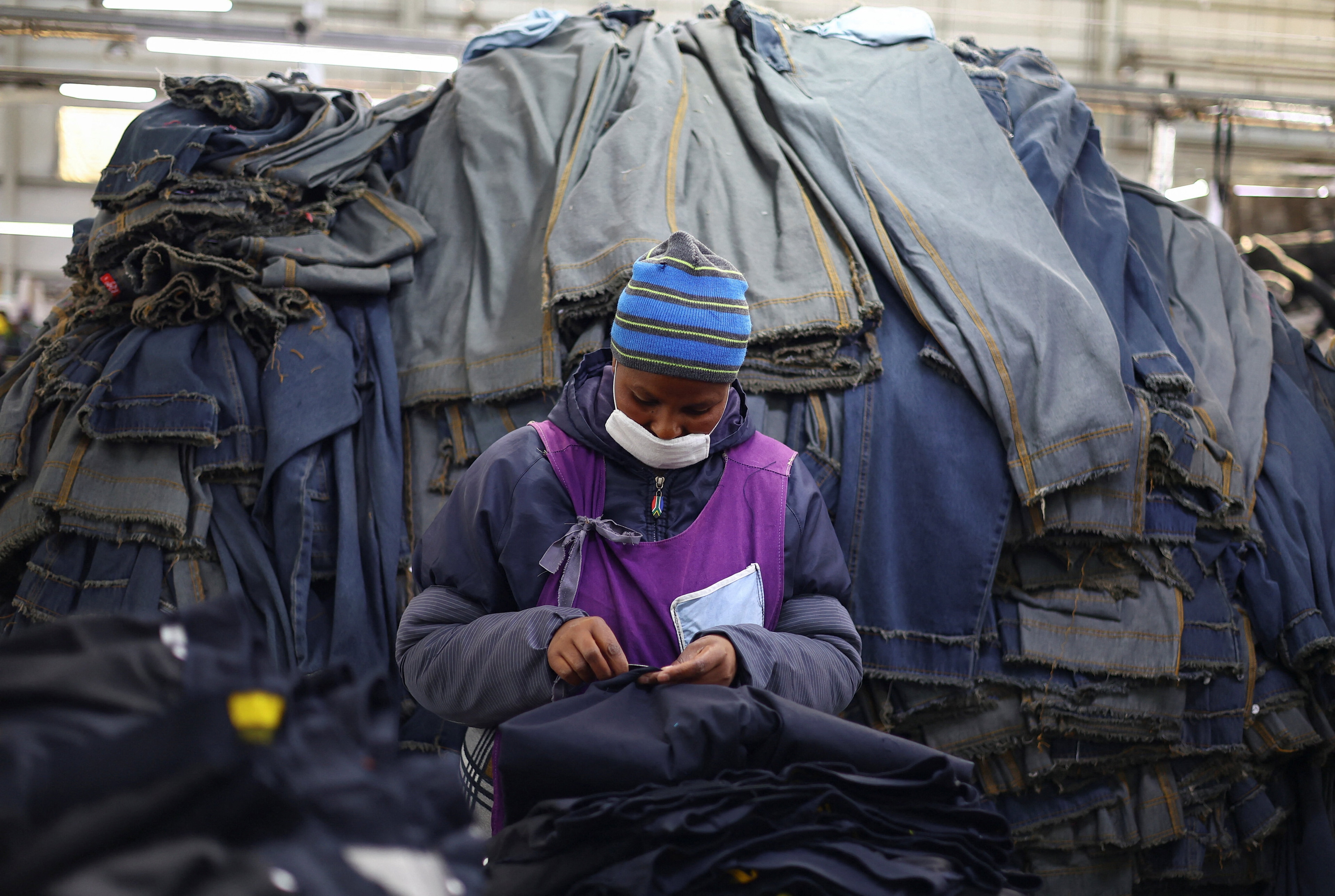

The good news is the World Bank's list of the poorest countries thinned... but what now?
The number of countries labelled 'low income' by the World Bank has declined sharply in the past few decades. That's the good news, but what happens now?
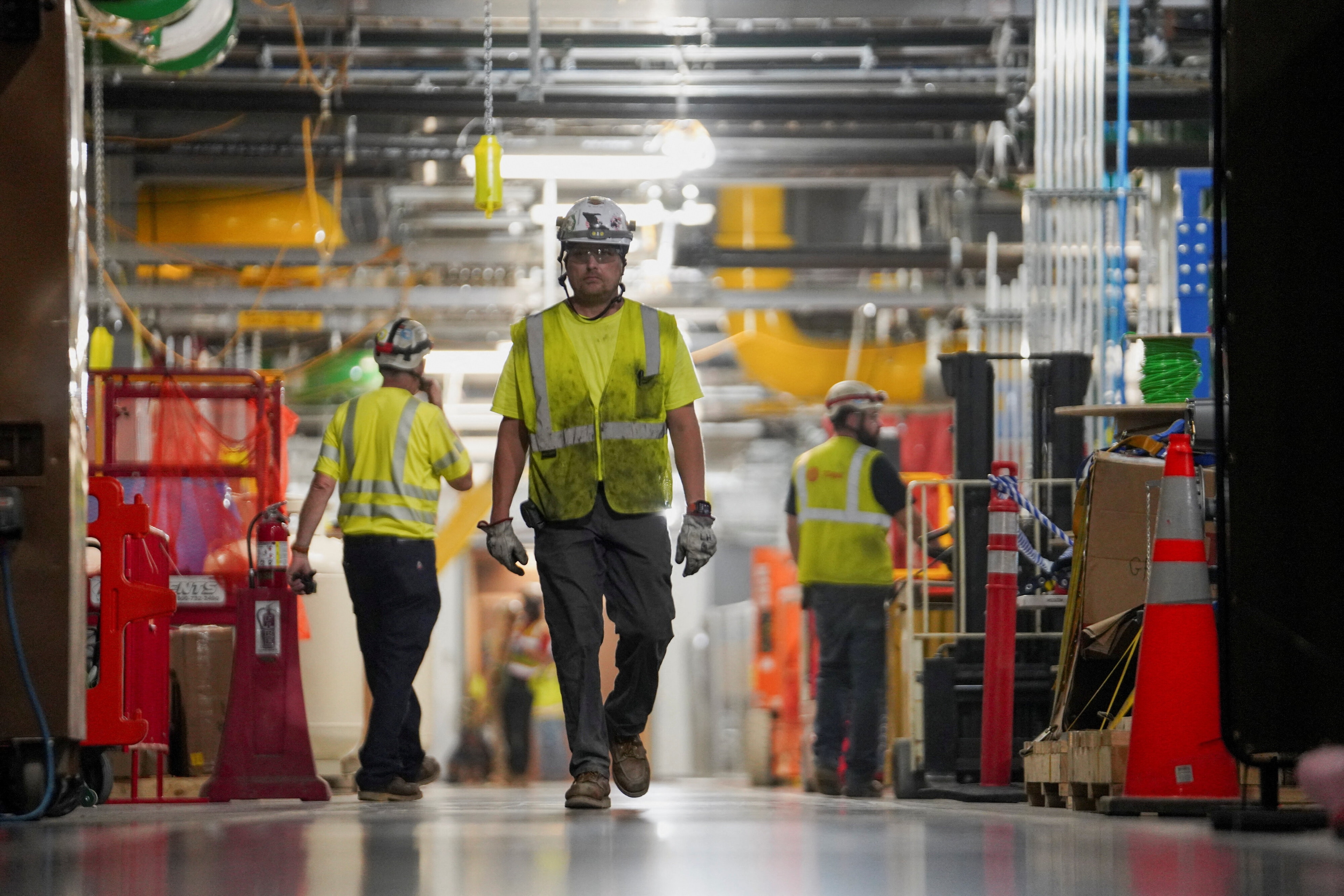

Artificial Intelligence: ‘Less a bubble and more a boom’ - why market optimism for AI’s future is justified
The AI-fueled surge in equity markets isn't really a bubble, it's more of ‘a boom underpinned by fundamentals,’ writes Allianz Chief Economist Ludovic Subran.