First Movers Coalition for Food: CEO Lessons for the Future of Food Procurement
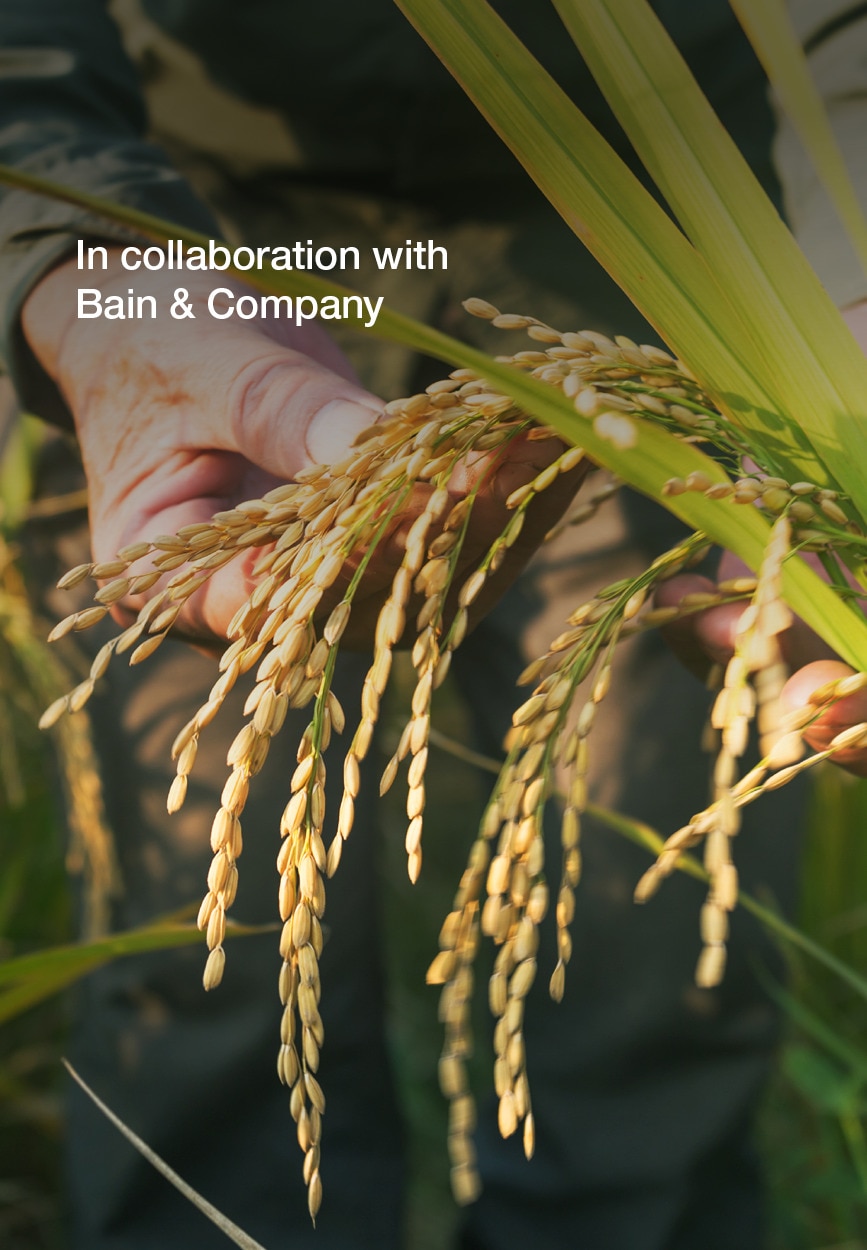

Global food supply chains are being challenged by pressures ranging from geopolitical shifts and population growth to rising climate and nature impacts. Businesses face growing urgency to adapt, driving demand for resilient solutions. This report offers a vision for food procurement that recognizes and learns from the economic priorities of quality, availability and cost, while ensuring continuity of supply, addressing sustainability needs and safeguarding nature.
Global food supply chains are being challenged by pressures ranging from geopolitical shifts and population growth to rising climate and nature impacts. Businesses face growing urgency to adapt, driving demand for resilient solutions. This report offers a vision for food procurement that recognizes and learns from the economic priorities of quality, availability and cost, while ensuring continuity of supply, addressing sustainability needs and safeguarding nature.
Proven solutions, from regenerative farming practices in row crops to water management and lower-methane approaches in rice, are ready to expand. Yet too many fail to move past the pilot stage. What’s often missing is bold demand-side leadership: strong, credible market signals that unlock finance, align value chain partners and give farmers the confidence to invest.
This paper, published by the First Movers Coalition for Food, outlines why traditional approaches can fall short, which pathways can drive best practice in procurement and how leaders can implement them. Drawing on in-depth interviews with chief procurement officers (CPOs) and multiple case studies, it shows how CEOs and senior leaders can use procurement to manage risk in their supply chains, move faster on sustainability and resilience outcomes, and deliver tangible value for their organizations, suppliers and the global food system.
Further reading
All related content 
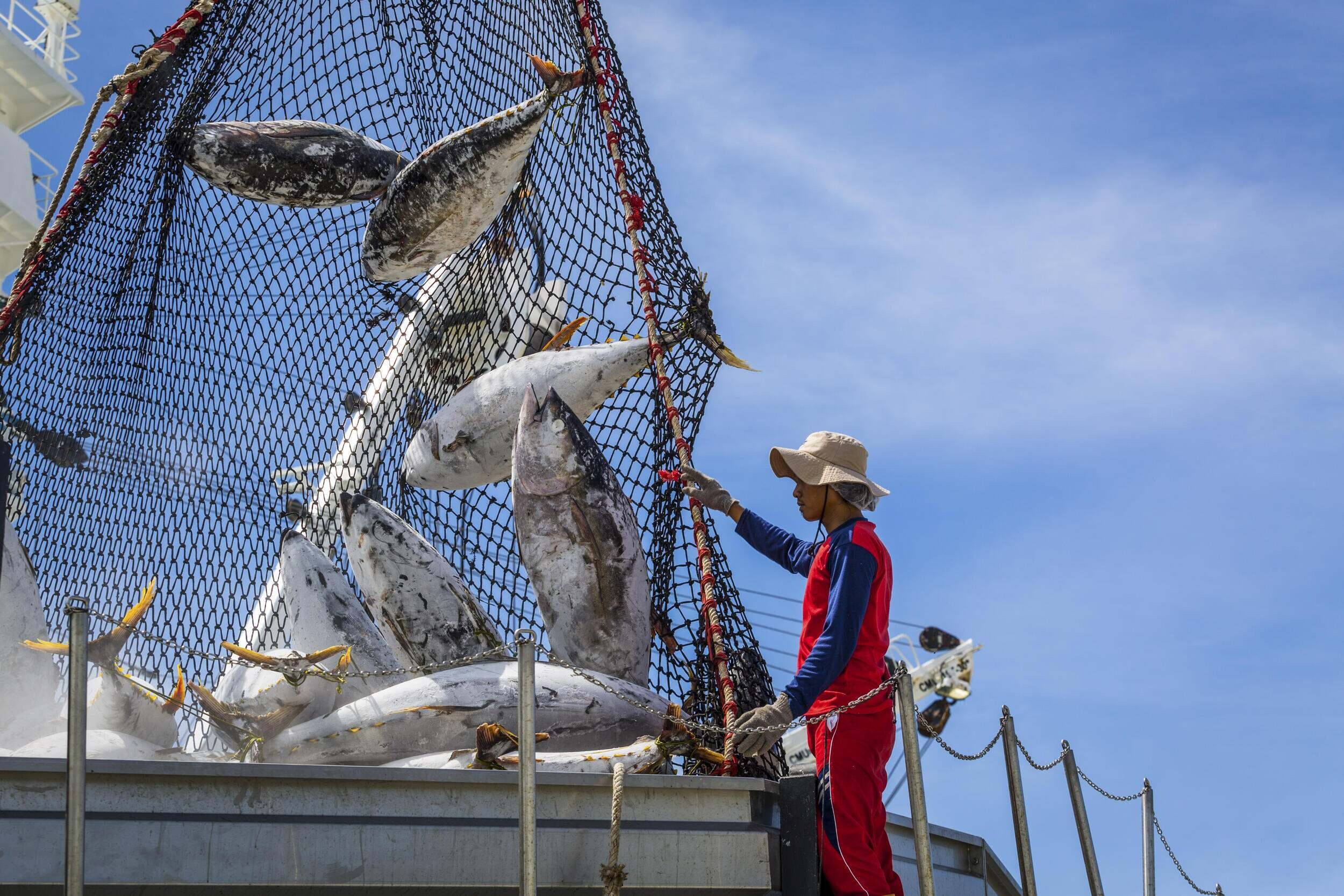

AI can be harnessed to protect nature and strengthen food security. Here's how
Without using technology strategically, our shared vision for sustainable tuna fisheries, job security, and cultural traditions will remain aspirational.
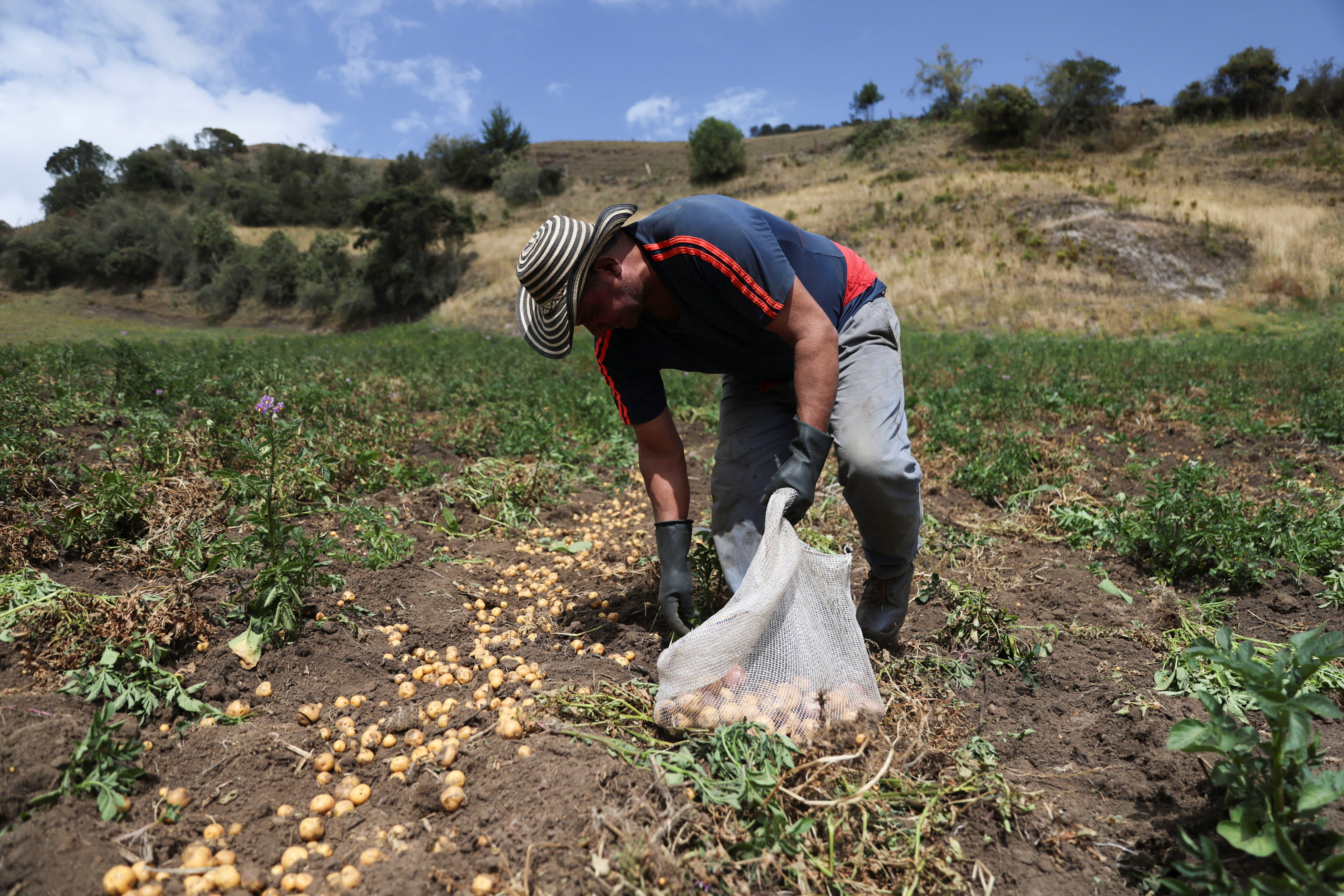

How partnerships can help decarbonize food value chains
One project highlights why collaboration is key to meeting rising global demand for nutrition while reducing the food system's impact on the environment.