From Blueprint to Reality: A Stronger Business Case for Shared Energy Infrastructure


A global industrial transformation is underway. Shifting geopolitics are pushing energy security and competitiveness up corporate agendas. Supply chains are reconfiguring as resources become more constrained. Successful economies will combine industrial efficiency, local value creation and innovation in cleaner production. Industrial clusters offer a powerful pathway for transformation.
A global industrial transformation is underway. Shifting geopolitics are pushing energy security and competitiveness up corporate agendas. Supply chains are reconfiguring as resources become more constrained. Successful economies will combine industrial efficiency, local value creation and innovation in cleaner production. Industrial clusters offer a powerful pathway for transformation.
Investment in transforming industry remains inadequate, at just $30-50 billion annually. Projects essential to decarbonize hard-to-abate sectors – the backbone of growth, jobs and trade – struggle to reach financial close. Closing this gap requires systemic innovation in how industries, value chains, governments and financiers align and deliver together. Well-organized industrial clusters have a key role to play. By aggregating demand and supply, sharing infrastructure and coordinating investment in a defined geography, clusters make industrial transformation more bankable while safeguarding jobs.
This report shares success stories from the World Economic Forum’s Transitioning Industrial Clusters initiative – a global community offering ~877 million tonnes of CO2e abatement potential, contributing $508 billion to global GDP and supporting 4.6 million jobs. The report distils lessons on how to organize clusters, structure risk-sharing and finance shared infrastructure. It offers a practical resource for policy-makers, financiers and industry leaders seeking to turn targets into competitive advantage and deliver industrial transformation that is both economically robust and environmentally sustainable.
Further reading
All related content 
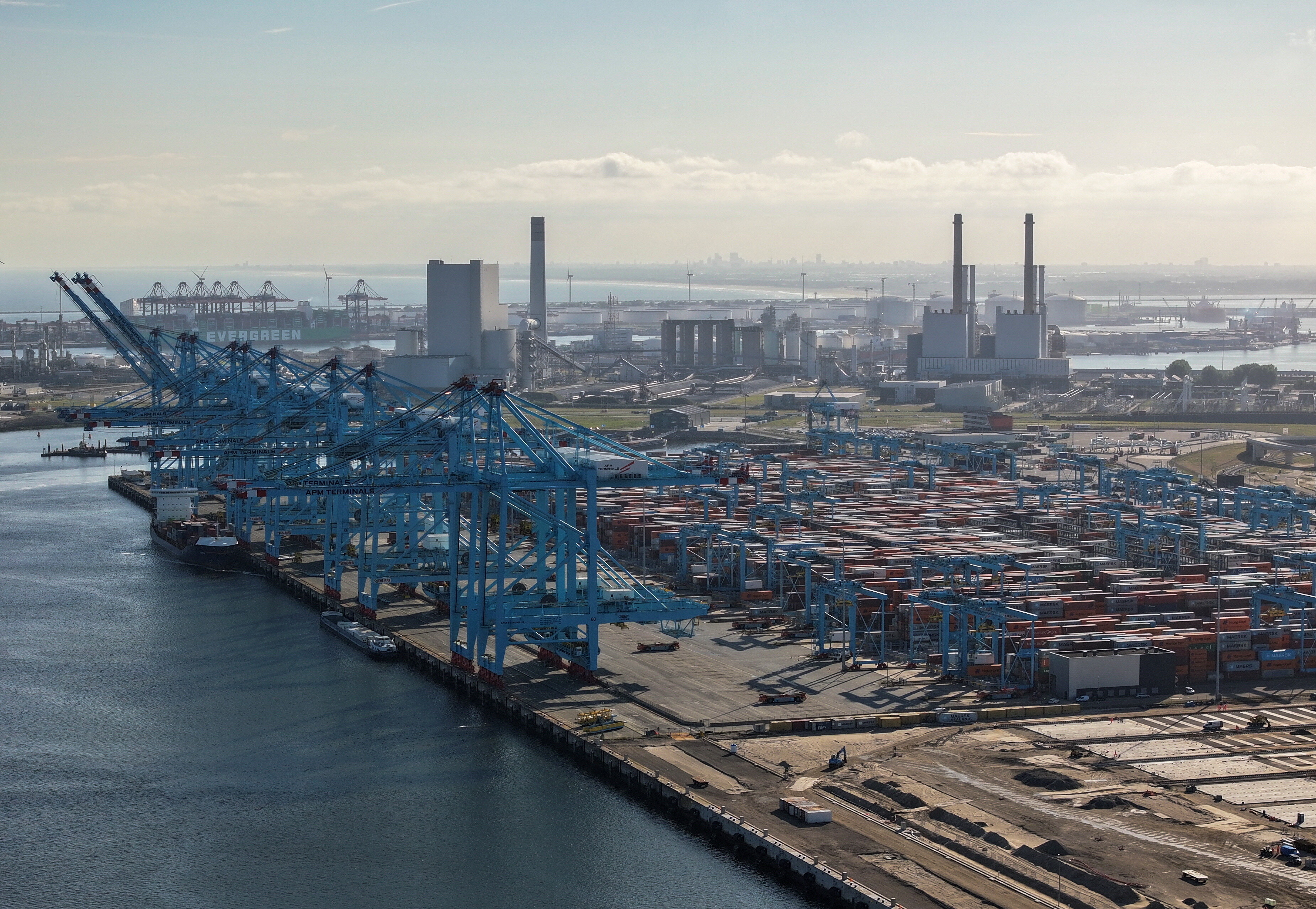

The clean energy fast lane: How clusters speed up the industrial transformation
Decarbonizing heavy industrial transformation is a priority in global efforts to mitigate climate change. Industrial clusters are a fast track to low-carbon transformation.
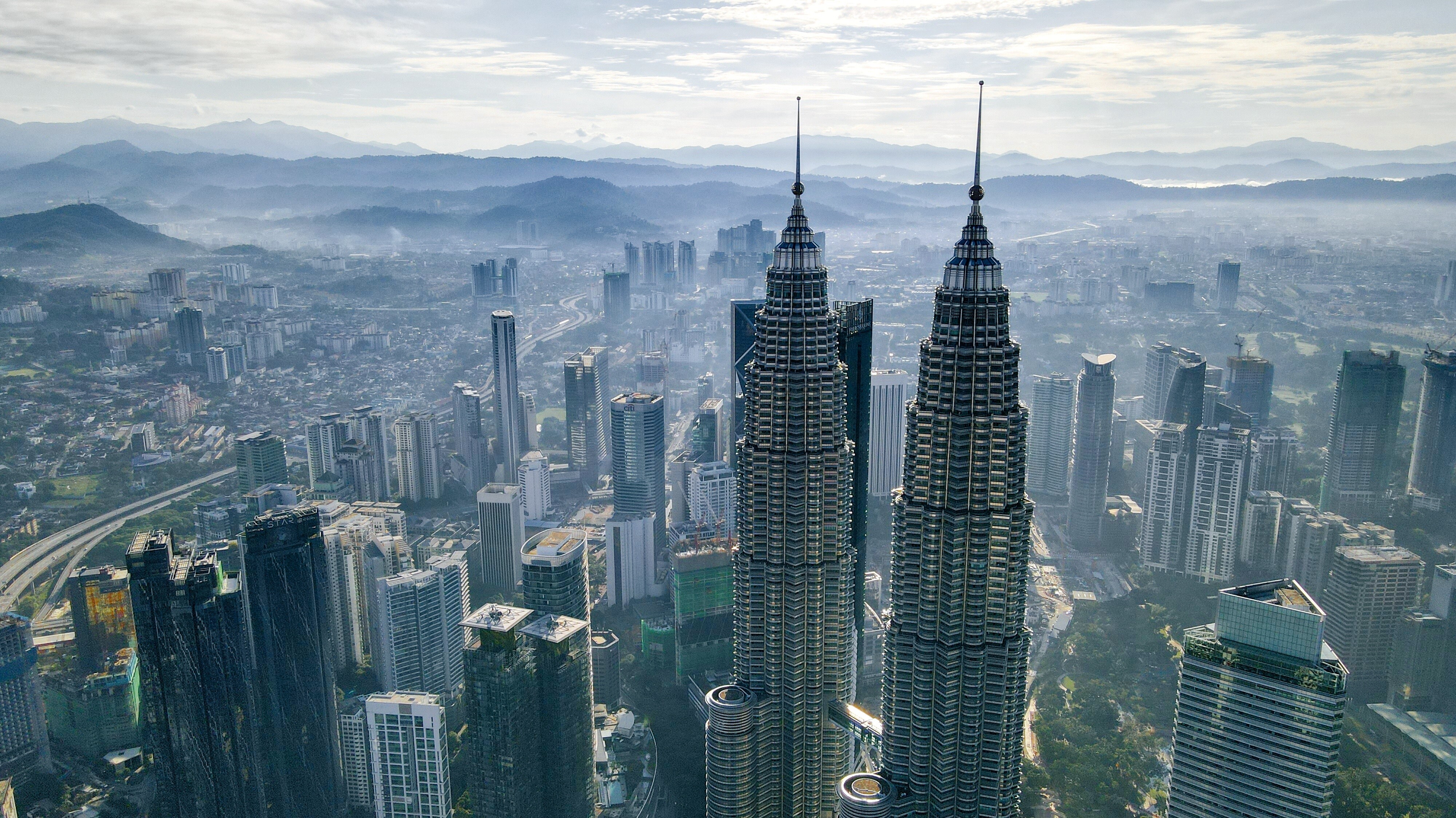

Malaysia adopts the Transitioning Industrial Clusters framework – here's what that means
Malaysia has adopted the Transitioning Industrial Clusters framework as a national agenda – but what is it and what has it achieved so far?


Here's how industrial clusters in China are moving towards energy self-sufficiency
Industrial clusters can be heavy emitters, but sites in China show how they provide important opportunities for reducing Scope 2 emissions