Could adding Buy Now Pay Later data into credit scores turn microloans into macro risks?
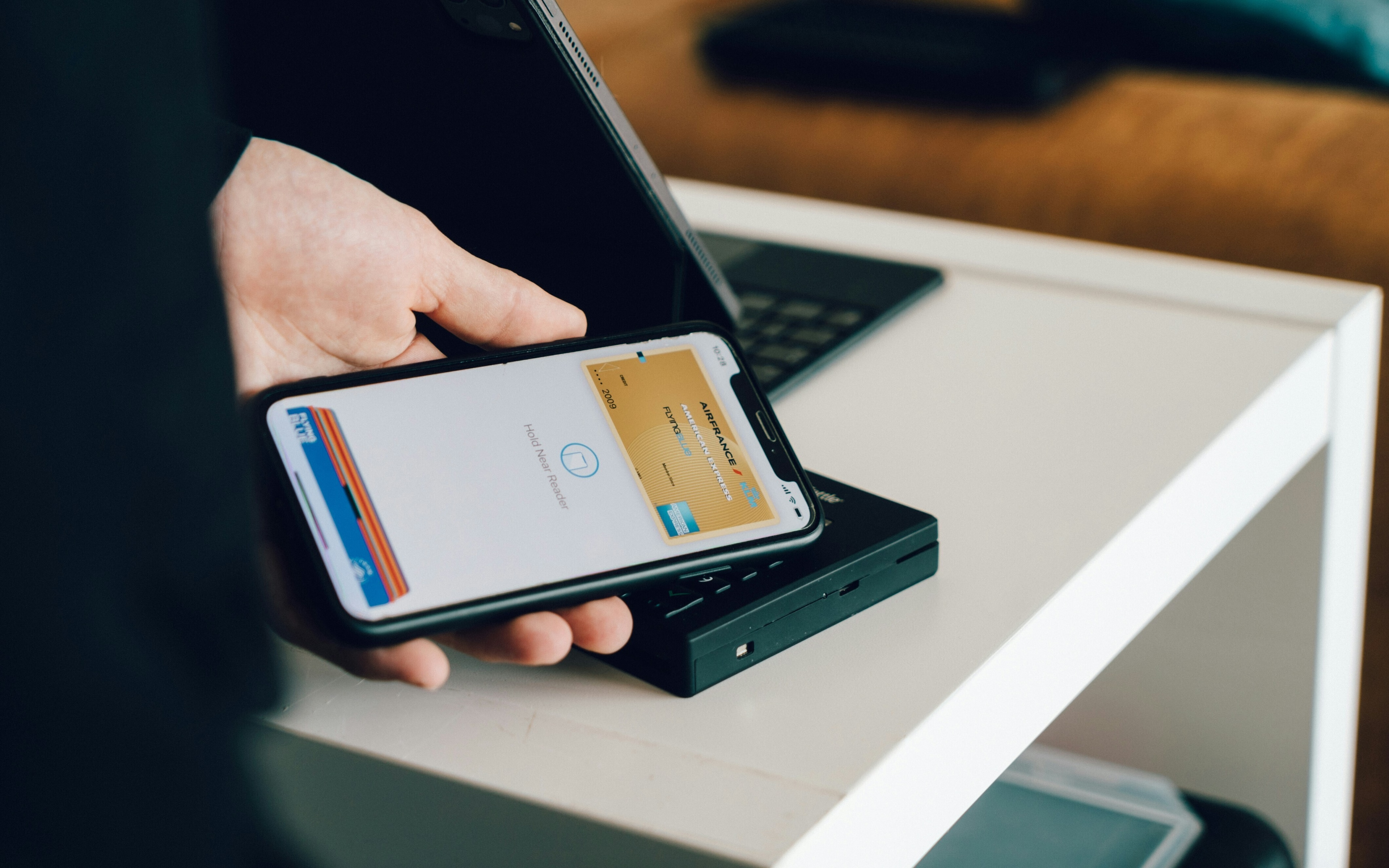
Lessons need to be learnt to use Buy Now Pay Later responsibly. Image: CardMapr.nl/Unsplash
- US credit scoring agency FICO recently announced that it will begin incorporating Buy Now Pay Later data into credit scores.
- Whether this change leads to more equitable access to credit or deepens existing disparities will depend on the speed and effectiveness of financial education and platform transparency.
- When microloans can carry macro risks, access to credit without access to understanding is not inclusion, it’s exposure.
A quiet update to credit scoring is underway and it calls for a loud change in financial education. US credit scoring agency FICO recently announced that it will begin incorporating Buy Now Pay Later data into credit scores for the first time, transforming how short-term digital borrowing shapes long-term financial outcomes. The new model will begin rolling out in Autumn 2025.
Although widespread adoption may take time as credit bureaus decide whether to make the data visible, the shift surfaces more immediate questions about credit literacy, rising household debt and long-term financial stability. Whether this change leads to more equitable access to credit or deepens existing disparities will depend on the speed and effectiveness of financial education and platform transparency.
Buy Now Pay Later can influence financial habits for life
For millions of users, especially Gen Z, Buy Now Pay Later has served as a first introduction to the financial system. Many users built financial habits around these microloans and operated under the assumption that they carried no lasting credit consequences. Some argue the new FICO model may expand financial inclusion by giving users an opportunity to build a formal credit history. However, others claim it risks penalties for late or overlapping payments they did not realize were being tracked. This lack of clarity highlights the need for robust financial education to help users navigate Buy Now Pay Later responsibly and to equip them with the knowledge they need to manage credit effectively throughout their lives.
Products like Buy Now Pay Later have the potential to advance financial inclusion, but only when paired with clear guidance that helps users manage risk. Without accessible education, the tools can unintentionally deepen financial vulnerability. In the US, for example, where credit scores shape access to everything from housing to cars to education, the stakes are high. Lenders are already reporting elevated loan rejection rates and widespread credit score declines. Incorporating Buy Now Pay Later data into credit scores could amplify harm to borrowers who were never taught how to use credit responsibly.
Beyond individual risks, the combination of widespread financial products and limited financial education can fuel harmful debt cycles and weaken economic resilience on a much broader scale. In the US, household borrowing and consumer debt is surging. According to the latest Federal Reserve Bank of New York’s report on household debt and credit, delinquent consumer debt has returned to COVID-19-era levels. Serious credit card delinquencies in the US are the highest in 14 years, matching rates from the aftermath of the Great Recession of 2007-2009.
Access to credit must come with access to guidance
As the average US household spends over $1,500 per month on debt payments, consumer spending declined in May by the most since the start of the year. Since consumer spending powers more than two-thirds of US economic activity, even a modest pullback could dampen growth and increase unemployment. Rising consumer debt and its potential to suppress demand have serious implications for GDP growth.
This economic backdrop underscores the urgent need to pair easy access to credit with equally accessible financial education to prevent deeper disparities. Buy Now Pay Later's popularity among first-time borrowers shows how easily unsustainable financial habits can form when long-term consequences are unclear. Credit literacy should be embedded in schools, community programmes and digital platforms to meet users where they are. Individuals need accessible tools to navigate the modern credit landscape and understand how short-term borrowing shapes future financial well-being.
Credit card and Buy Now Pay Later ads are everywhere – on billboards, public transport, social media feeds and even inside your mailbox. Financial education tools, however, are nowhere near as widely available. When microloans can carry macro risks, access to credit without access to understanding is not inclusion, it’s exposure.
Don't miss any update on this topic
Create a free account and access your personalized content collection with our latest publications and analyses.
License and Republishing
World Economic Forum articles may be republished in accordance with the Creative Commons Attribution-NonCommercial-NoDerivatives 4.0 International Public License, and in accordance with our Terms of Use.
The views expressed in this article are those of the author alone and not the World Economic Forum.
Stay up to date:
Data Science
Related topics:


Forum Stories newsletter
Bringing you weekly curated insights and analysis on the global issues that matter.
More on Financial and Monetary SystemsSee all

Larry Fitzgerald Jr and Kelvin Beachum Jr
April 6, 2026


