How Europe and Africa can unlock tech opportunities through stronger collaboration
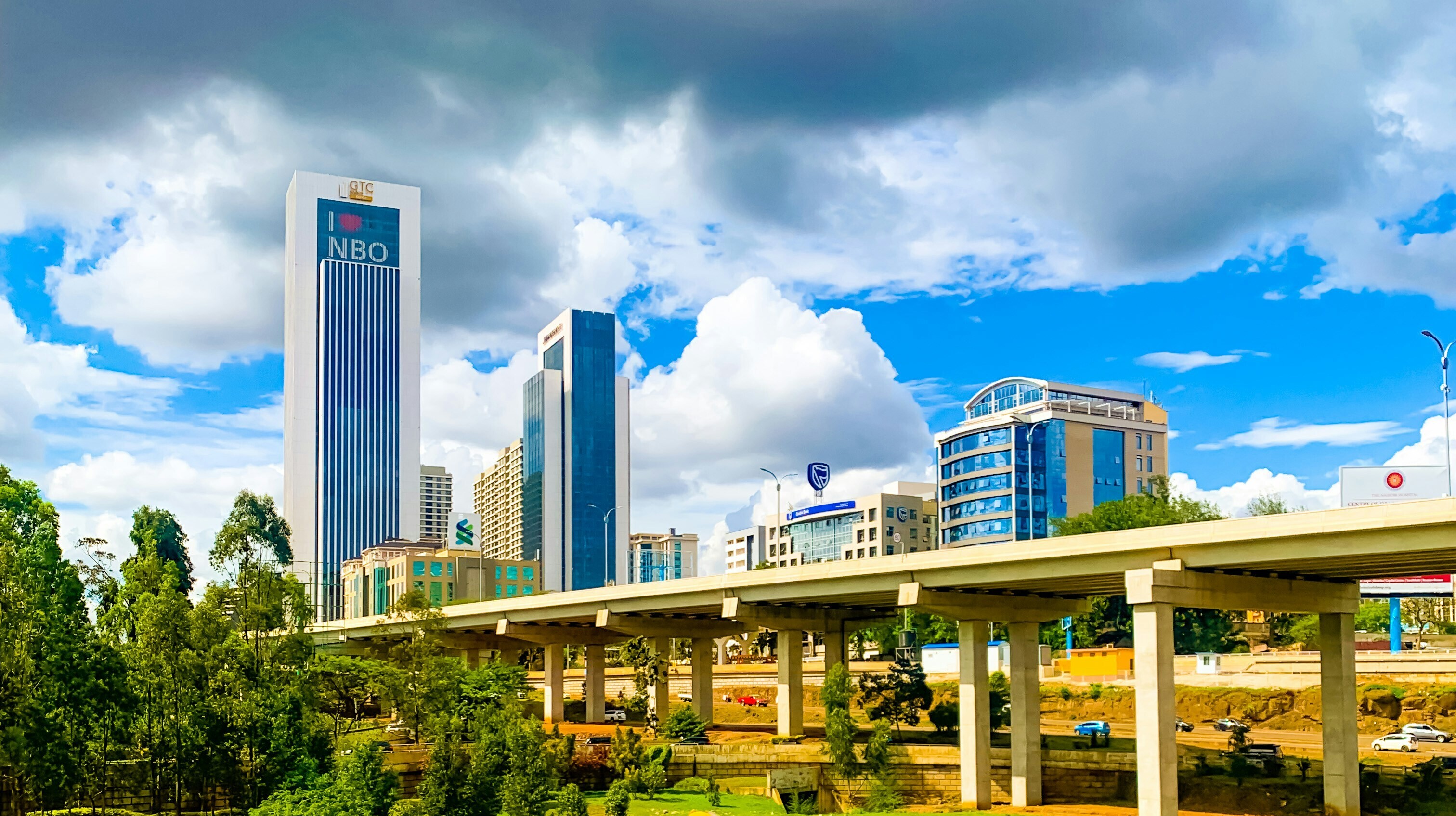
Nairobi is emerging as a strong regional tech hub Image: Waibu/Unsplash
- Europe and Africa should tap into shared interests to develop digital infrastructure, data centres, green industries and tech talent.
- Africa’s dynamism and economic potential position it as a key emerging partner for Europe's values-based digital future.
- EuroStack can achieve greater impact by expanding beyond Europe to help shape a fairer, more democratic technological order.
As global technology competition intensifies, a perilous new fault line is emerging: the temptation of digital protectionism. In the rush to attain "tech sovereignty" – the capacity to determine their own digital and manufacturing destinies – governments risk succumbing to a futile and dangerous game of isolation.
For Europe, which has championed a values-based digital future, this is a moment of profound choice. Will it retreat into itself and risk becoming a technological dependency or will it pioneer a new model of sovereignty built not on walls, but on a network of global trust and collaboration? The most promising path lies in constructing a different type of link. A link that extends across nations, unites diverse centres of innovation and embraces talent. This is a tech sovereignty built through synergy and cooperative interdependence, not division.
This vision extends beyond Europe's borders. It necessitates a new paradigm for collaboration with the Global South and a strategic approach to attracting skilled talent from established economies. With Washington's reorganization of the public sector, American professionals in fields like technology, engineering and research are facing uncertainty. Europe has a unique chance to attract this talent, foster transatlantic partnerships and significantly enhance its own innovation environment.
EuroStack: A foundation with a global vision
The EuroStack initiative is a bold first step in Europe’s ambition to create a homegrown, resilient digital infrastructure. It is the architectural blueprint for a cohesive, end-to-end digital value chain. It joins logical infrastructures like AI models and data spaces with physical infrastructures such as cloud computing and hardware manufacturing. By prioritizing open standards, data protection and interoperability, EuroStack serves as a powerful framework for a values-driven digital economy.
Yet, to truly succeed, this vision cannot remain inward-focused. EuroStack’s greatest vulnerabilities and opportunities extend far beyond its borders. To thrive, it must embrace a global perspective and form alliances that diversify supply chains, expand talent pools and enhance its resilience against geopolitical disruptions.
Why Africa is indispensable to Europe’s tech future
A deeper, more collaborative partnership with Africa is not just an option, it is an indispensable component of this strategy. The continent is home to a rapidly growing, digitally savvy population and a burgeoning ecosystem of innovation.
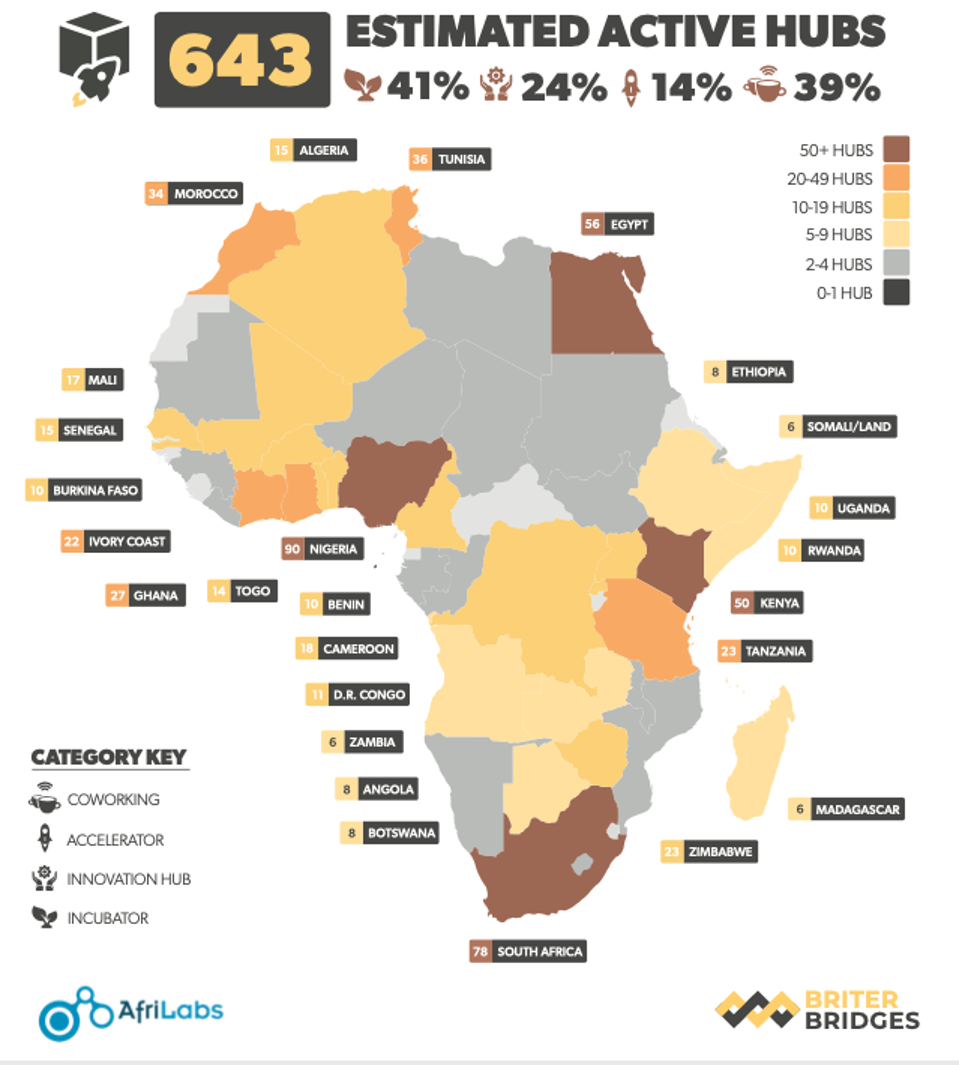
A reservoir of talent: Africa is home to the world's youngest population, with 70% of sub-Saharan Africa under the age of 30. Tech hubs like Nairobi, Lagos and Accra are attracting hundreds of millions in venture capital and producing thousands of startups. Collaborating with these hubs offers Europe an opportunity to tap into talent and innovation while addressing its demographic constraints.
A source of critical resources: The continent holds 30% of the world’s known critical mineral reserves, including resources essential for clean energy technologies and advanced manufacturing. This includes cobalt in the Democratic Republic of Congo and rare earth elements in Burundi. These minerals are the lifeblood of technological advancement and a partnership built on mutual respect can secure these supply chains for a shared future.
Green energy potential: Countries like Morocco and Egypt are making great strides in renewable energy, offering the potential to become leaders in hosting environmentally-friendly data centres that can serve both African and European markets. This would reduce Europe’s carbon footprint.
From extraction to co-creation
Europe has a historic opportunity to decisively break from the old model of extraction, where raw resources are exported from developing countries and value creation remains offshore. A new approach must focus on:
AI co-development: Establish joint AI research hubs in countries like Kenya, Nigeria, Morocco and Ghana. These partnerships can leverage European expertise and investment alongside African innovation and data to develop AI solutions for shared challenges in agriculture, healthcare and finance.
Green data centres: Co-invest in and build renewable-energy-powered data centres in countries like Morocco and Egypt, creating regional hubs that cater to both African and European cloud computing needs.
Advanced manufacturing: Invest in assembly, testing and packaging (ATP) facilities for semiconductors in African countries with favourable industrial policies. This would help diversify supply chains that are dangerously overconcentrated in East Asia.
Global talent mobility: Europe can strengthen its research, development and manufacturing sectors by combining African ingenuity with the expertise of displaced American workers. Creating specialized visa programs and incentives can attract these highly qualified engineers, AI and cybersecurity professionals, promoting the sharing of knowledge and forging a stronger, more diverse talent pool.
This is not about replicating old aid models or engaging in a new form of neo-colonialism. It is about cooperative interdependence, where both sides share risk, reward and responsibility.
How the Forum helps leaders connect frontier technologies to real-world challenges
From vision to action
Sovereignty built on isolation is brittle; sovereignty built on trusted interdependence is resilient. The path of digital protectionism is short-sighted and ultimately self-defeating. Cooperative sovereignty allows partners to retain control over strategic assets while aligning on standards, sharing infrastructure, co-developing technologies and integrating talent flows from around the world. This model strengthens resilience while building diplomatic capital in a world where technology is increasingly used as a tool of statecraft.
To move from vision to execution, Europe should:
Globalize EuroStack’s mandate: Expand its remit to explicitly include joint digital infrastructure projects with African partners. This would make it a truly global standard, ensuring robust technology transfer and capacity building.
Align standards and governance: Collaborate with African governments and their global diaspora to develop shared frameworks for AI ethics, data governance and cybersecurity.
Promote regional advanced manufacturing hubs: Develop industrial clusters that serve both African and European markets, especially in clean energy tech and electronics.
Leverage global talent displacement: Create specialized visa programs to attract top-tier global talent, including from the US, to accelerate Europe’s digital ambitions.
True sovereignty is not about absolute control, it’s about creating a robust, diversified network of trusted partners and a rich reservoir of talent. EuroStack's principles of interoperability to Africa and the wider Global South should be expanded. It should actively attract top-tier talent from around the world to secure Europe’s digital future while also shaping a fairer, more democratic technological order.
Embracing cooperative interdependence is not merely a tactic, but rather Europe's most promising opportunity to establish a strong and truly sovereign digital economy.
Don't miss any update on this topic
Create a free account and access your personalized content collection with our latest publications and analyses.
License and Republishing
World Economic Forum articles may be republished in accordance with the Creative Commons Attribution-NonCommercial-NoDerivatives 4.0 International Public License, and in accordance with our Terms of Use.
The views expressed in this article are those of the author alone and not the World Economic Forum.
Stay up to date:
The Digital Economy
Related topics:


Forum Stories newsletter
Bringing you weekly curated insights and analysis on the global issues that matter.
More on Global CooperationSee all

Alireza Haghighi and Khalid Alaamer
February 24, 2026


