International Day of the World's Indigenous Peoples: 5 ways to support Indigenous trade and communities
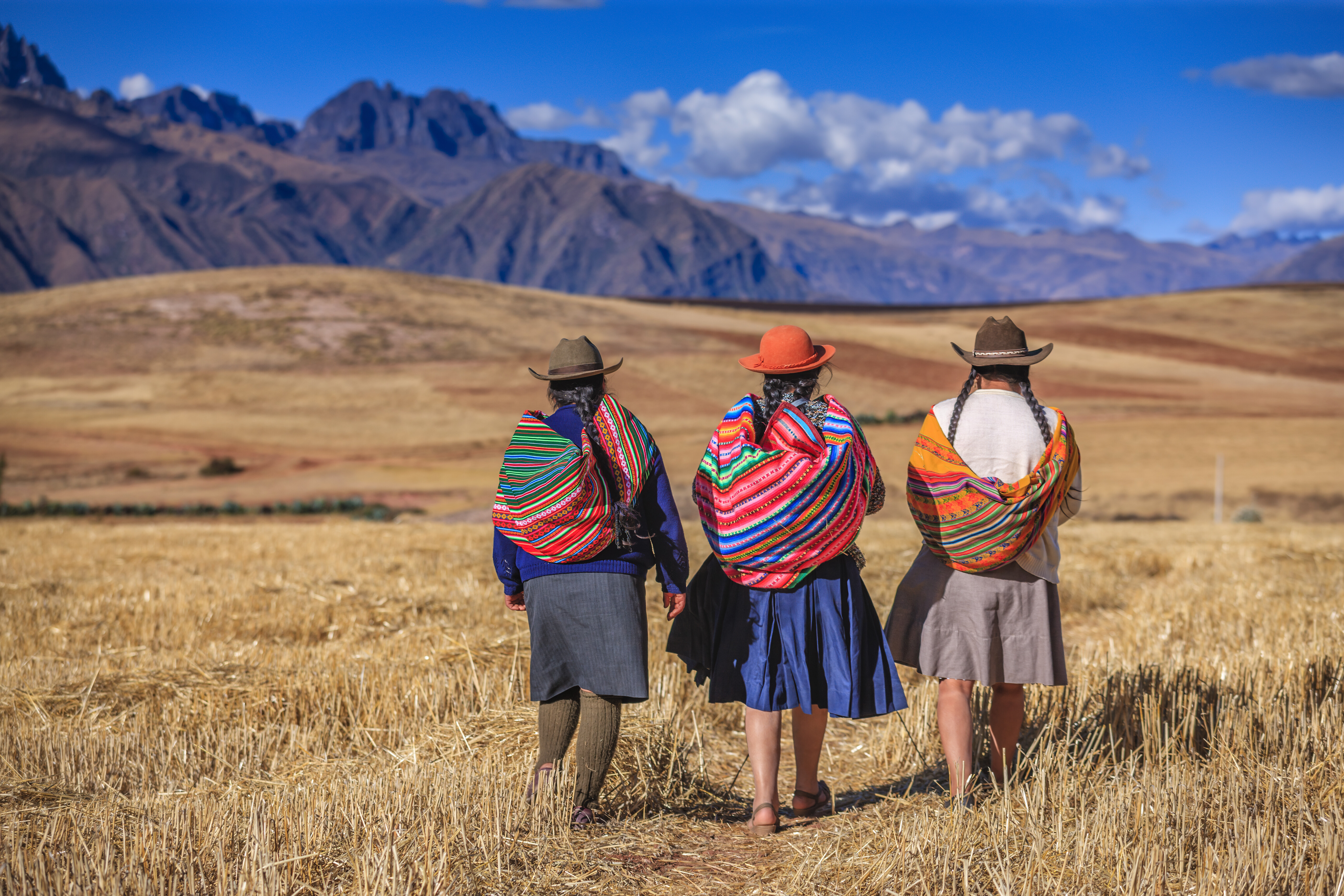
Indigenous involvement in constructing tailored trade policies is vital for “implementing good practices”. Image: Getty Images
- The International Day of the World’s Indigenous Peoples is marked every year on 9 August, acknowledging a global community representing more than a quarter of the world’s land.
- While Indigenous Peoples’ link to biodiversity is now well-known, less is understood about their contribution to international trade and the economy.
- Governments must adopt five key strategies to ensure Indigenous businesses are not being held back, argues the World Economic Forum’s report, Enabling Indigenous Trade: Actionable Guidance for Governments.
It’s quite something to consider that while Indigenous Peoples represent 6% of the global population, their land encompasses well over a quarter of the world, and they are custodians of 11% of global forests, as well as a significant portion of the world’s remaining biodiversity, says the United Nations (UN).
It’s one of many reasons why the UN marks, each 9 August, the International Day of the World's Indigenous Peoples, which in 2025 will focus on how AI is impacting this vital global community.
The climate crisis has, in recent years, shone a spotlight on Indigenous communities, due to their expert stewardship of the land. However, Indigenous Peoples’ economics is a topic less widely discussed. After decades of advocacy and international pressure to enshrine fundamental Indigenous rights, trade rights for Indigenous communities still have a way to go.
This is despite the fact that “Indigenous trade has always occurred over millennia,” as Traci Houpapa, Chair of the Federation of Māori Authorities, points out. One issue, she says, is that Indigenous Peoples are often boxed into a ‘crafts and culture’ section of the economy when, in New Zealand, for example, Māori represent almost 50% of the forestry and 30-35% of the red meat and dairy exports.
Another barrier is limited access to international markets, finance structures, as well as complex trade regulations, finds the World Economic Forum’s report, Enabling Indigenous Trade: Actionable Guidance for Governments. “Indigenous Peoples’ inclusion in international trade is critical for achieving sustainability, protecting culture and language and reducing global economic disparities,” it says.
The report sets out five key strategies that governments can adopt to increase Indigenous inclusion in trade – and highlights economies where they are already in place.
1. Trade agreements
Including Indigenous communities in international trade agreements “ensures that their unique economic rights and interests are recognized and protected within these frameworks”. It also enables Indigenous businesses to access new markets, safeguard their unique knowledge and heritage, as well as promote economic prosperity within their communities.
Over the past 20 years, more than 31 trade agreements have “included provisions concerning cultural intellectual property, traditional knowledge, folklore, traditional cultural expressions and genetic resources”. The Comprehensive and Progressive Trans-Pacific Partnership Agreement has Indigenous-specific provisions, as does the Regional Comprehensive Economic Partnership.
But the Indigenous Peoples Economic and Trade Cooperation Arrangement (IPETCA) goes several steps further. A collaboration between New Zealand, Australia, Canada and Chinese Taipei, “IPETCA sets a powerful example for the inclusion of Indigenous Peoples in international trade,” says the Forum’s report. Among its commitments are that participating economies ensure that their trade policies support and, crucially, do not harm the rights and interests of Indigenous Peoples, and that there are Indigenous representatives from each economy at the Partnership Council.
2. Indigenous involvement in trade policy-making
As IPETCA makes clear, Indigenous involvement in constructing tailored trade policies is vital for “implementing good practices” in line with the UN Declaration on the Rights of Indigenous Peoples (UNDRIP). Some countries have already instigated measures that ensure Indigenous communities are both consulted and represented in decision-making.
Indigenous business in Australia is said to generate around AUD$16 billion ($10.3 billion) a year – yet it was only in 2023 that the country appointed its first ambassador for First Nations People. The role involves collaborating with the National Indigenous Australians Agency as well as the Australian government to ensure that the interests of First Nations Australians are incorporated into foreign policy and that trade and development opportunities are accessible to First Nations communities.
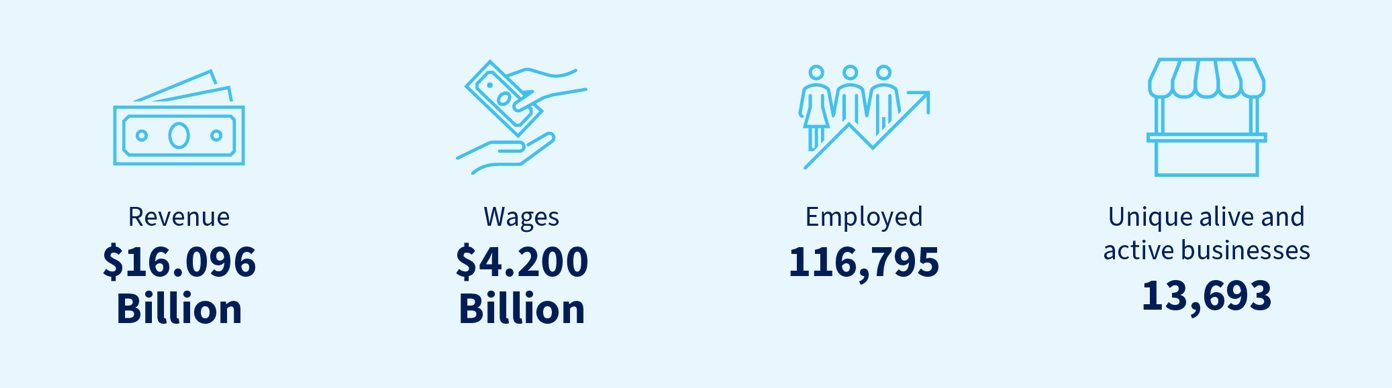
In neighbouring New Zealand, where the Māori economy was valued at NZD$126 billion ($74 billion) in 2023, the Foreign Affairs and Trade (MFAT) department works with Te Taumata, a group that represents Māori on trade matters, to ensure that “Māori tribal, community, business and economic interests” are represented in trade discussions.
3. Trade promotion and facilitation
Empowering Indigenous businesses is a win-win move, says the report: Indigenous communities are supported, both economically and culturally, while national economies also benefit.
Trade-facilitation measures aim to remove some of the technical and bureaucratic barriers inherent in international trade processes, so that Indigenous businesses are not disadvantaged.
While trade promotion is about supporting Indigenous businesses to reach new markets and stimulate economic growth. It can simultaneously “enhance cultural exchange and political relationships, which are critical for advancing Indigenous Peoples’ inclusion in the global economy”.
But promotion can only get businesses so far. They must then make the leap to actually exporting their goods. And cross-border trade by Indigenous businesses can be hampered by a number of factors:
- Lack of awareness of public services
- Inability to access funding
- Lack of familiarity with export processes
- Mistrust of the global trade system.
This is where governments and stakeholders can make a difference, again to everyone’s benefit. “By integrating more Indigenous businesses into global supply chains, companies can diversify their supply sources, reducing the risks from geopolitical tensions, natural disasters or localized issues.”
It’s an approach adopted by ProChile, part of the Pacific Alliance formed in 2011 by Chile, Mexico, Peru and Colombia, which supports companies where at least half of the members belong to recognized Indigenous groups.
4. Government financing and investment
A lack of access to finance, as well as the accompanying infrastructure, is one of the main barriers to economic growth faced by Indigenous Peoples. This is why government funding initiatives like grants, low-interest loans and financial-inclusion programmes are crucial next steps.
Some countries already have measures in place. In 2023, the Australian government committed US$8.6 million (AUD$13.4 million) over four years to boost First Nations trade and investment as well as support Indigenous collaboration across the Indo-Pacific region. Colombia hosted the 2022 World Indigenous Business Forum and, separately, invested in over 900 projects benefitting more than 1,500 Indigenous Colombians. While in Chinese Taipei, the Indigenous Comprehensive Development Fund prioritizes tribal members for business loans.
How the Forum helps leaders navigate economic transformation for people and work
5. National legislation
Intellectual property (IP) is an important right to protect when it comes to trade, as the recent Prada sandal controversy attests. Traditional knowledge stretching back generations, as well as unique products, must be protected from misuse or exploitation via the implementation of effective IP measures, says the report.
National legislation is the foundation for protecting this and other rights and interests of Indigenous Peoples. “[It] can result in greater economic empowerment, the preservation of cultural heritage and improved socioeconomic conditions for Indigenous communities.”
Peru’s 2002 law ensures that any commercial use of traditional knowledge fairly benefits the Indigenous community it originated from, while also penalizing any unauthorized use. And in the Philippines, the 1997 Indigenous Peoples’ Rights Act enshrined and protected community IP rights.
But there is some way to go before Indigenous trade rights are fully protected. “Ultimately, the path to meaningful Indigenous inclusion in international trade lies in collaborative, innovative and culturally aligned strategies that respect and amplify Indigenous voices, uphold their rights and support their economic aspirations,” says the report. “Advancing these objectives moves the world closer to a future in which global trade is truly inclusive and reflective of the diverse contributions of all peoples.”
Don't miss any update on this topic
Create a free account and access your personalized content collection with our latest publications and analyses.
License and Republishing
World Economic Forum articles may be republished in accordance with the Creative Commons Attribution-NonCommercial-NoDerivatives 4.0 International Public License, and in accordance with our Terms of Use.
The views expressed in this article are those of the author alone and not the World Economic Forum.
Stay up to date:
Trade and Investment


Forum Stories newsletter
Bringing you weekly curated insights and analysis on the global issues that matter.
More on Trade and InvestmentSee all

Robert Muggah
March 31, 2026


