How AI is powering grassroots solutions for underserved communities
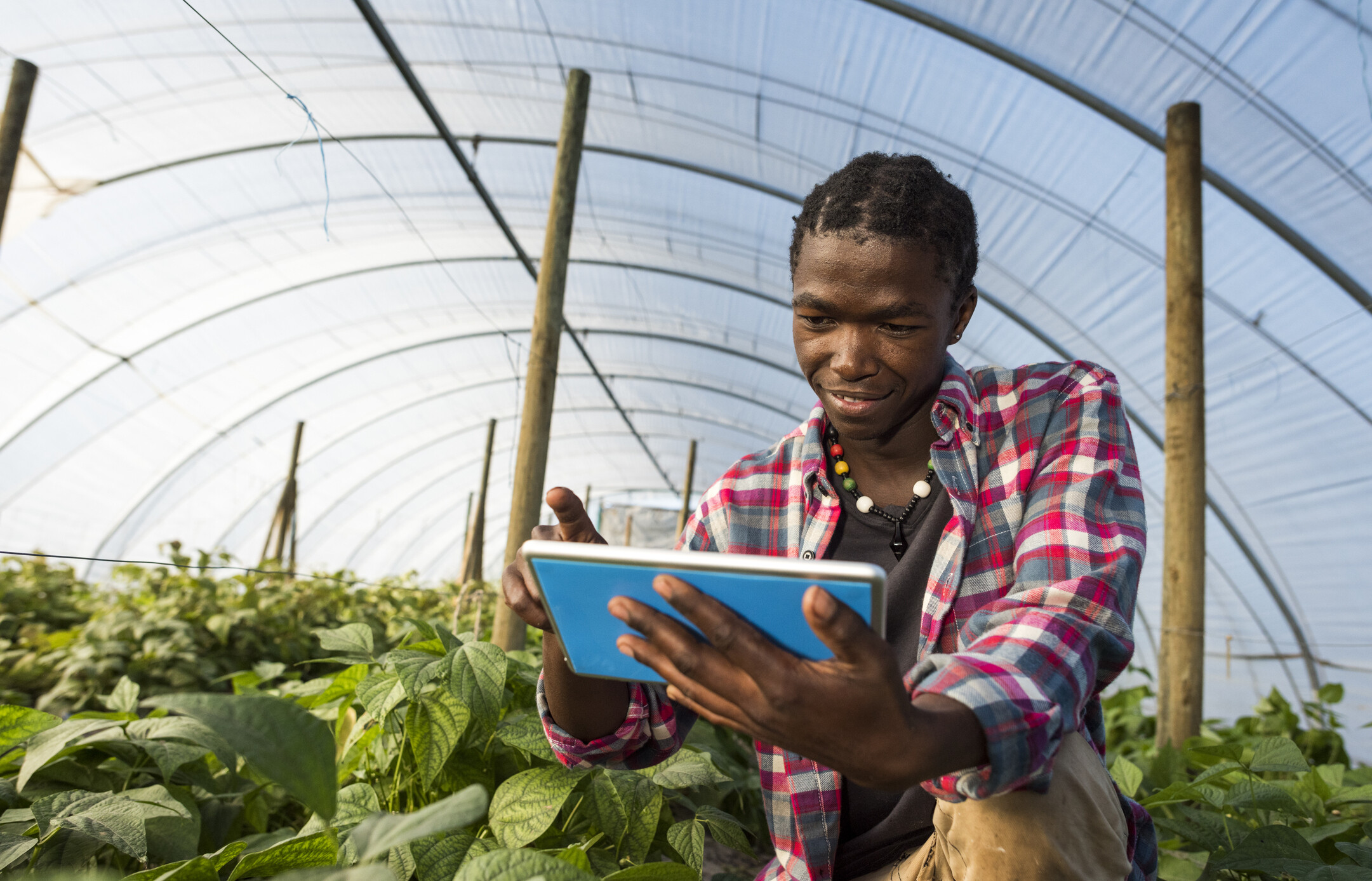
AI has the potential to make underserved communities better heard Image: Getty Images
- From plotting missing bridges in Rwanda to community championed geospatial initiatives in Nigeria, AI is tackling decades-old local issues.
- AI-supported platform Darli, which supports 20+ African languages, has given over 110,000 farmers access to advice, logistics and finance.
- Tailoring AI to underserved areas creates scalable public benefits, fosters equity and offers frameworks for sustainable digital transformation.
Frontier technologies for artificial intelligence (AI) often involve large models, global competition and governance risks. Another story unravelling today, however, is at the grassroots, where AI is already improving daily life in underserved communities.
AI is tackling issues that have long held back local development - from infrastructure planning in Rwanda to farmer advisory services in Ghana and inclusive digital tools in Nigeria. At this critical moment, as governments and communities interrogate the responsible use of AI, the world must also explore examples that prove the proficiency of the technology for the creation of scalable public benefits.
Mapping the uncharted: AI for last-mile infrastructure
Many rural regions in the developing world are cut off from the world by a missing bridge, resulting in exclusion from healthcare, markets and education. Bridges to Prosperity has spent years tackling this issue, building over 450 pedestrian bridges in 21 countries, including Bolivia and Rwanda.
This work is set to be revolutionized by the integration of AI. This is evident from the development of such projects as the Fika Map and Waternet. Aided by machine learning and satellite imagery, these platforms can pinpoint ideal potential bridge sites, map out the potential beneficiaries and recognize waterway barriers on a national scale.
Earlier this year, Bridges to Prosperity stated that its AI tools have helped document over 75 million miles of unmapped waterways. This information now guides governmental plans across East Africa. What would have previously meant years of bureaucracy and costly surveys can now be achieved in a couple of months, even with accountable impact assessments that are verifiable by donors and ministries.
This AI-driven layer builds on a proven community model. In Bolivia, Bridges to Prosperity bridges in Mojocoya, Kayarani and Chillcani now ensure safer access year round. Through a combination of local construction and predictive data, Bridges to Prosperity models show the importance of technology in accelerating infrastructural equity from Latin America to Africa.
Farming in your local language
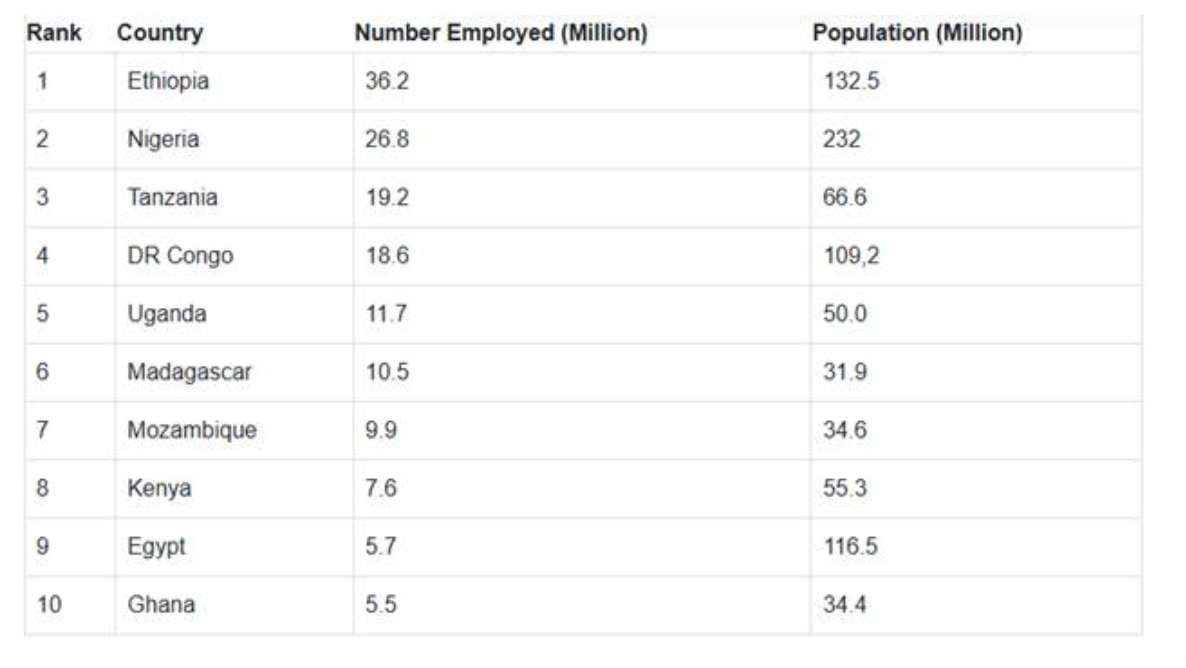
Agriculture remains one of the major cruxes of most African economies. Small-scale farmers, however, often face the incessant tripartite barriers of knowledge, finance and logistics. AI holds promise on allaying these challenges.
Darli AI, developed by Ghana-based Farmerline, is a WhatsApp-accessible chatbot that offers direction and expert advice on pest management, crop rotation, logistics and fertilizer application. It supports 27 languages, including 20 African languages, giving farmers the leeway to interact in Swahili, Yoruba, Twi and many others.
Since its creation in March, 2024, Darli has aided over 110,000 farmers across Ghana, Kenya and other African nations. The platform was recognized as one of the best inventions of 2024 and has been touted as an exemplar of how inclusive design can aid the democratization of access to agricultural advice and finance.
The lesson is clear; we must meet people where they are and this can be done through platforms like WhatsApp using local languages. AI bridges barriers of literacy, geography and affordability. It's a crucial ingredient for any government or development partner seeking inclusive digital transformation.
GeoAI and linguistic inclusion: Nigeria’s push for digital equity
The role of AI in community empowerment is very visible in Nigeria. In the heart of Lagos lies the Makoko settlement, referred to by many as the Venice of Africa as it is a slum built on water. This area was excluded from official maps until a team of tech-savvy individuals teamed up to train residents on high-resolution cartography and drone mapping. This resulted in a community-produced data set that the residents now use to advocate for proper climate adaptation planning and services.
These project examples demonstrate how GeoAI (a combination of geospatial data and machine learning) can empower communities to own their data and choose how they tell their stories.
In the same vein, the Nigerian Centre for Digitization of Indigenous African Language has created an indigenous mobile and AI-enhanced keyboard that covers almost 180 African languages. These AI tools help government and civic organizations deliver informative and educational services without excluding individuals who don’t speak global languages. So, in this instance, rather than undermining equity, language-inclusive AI and grassroots mapping collectively reinforce the strength of digital transformation.
Turning local AI into lasting global impact
When AI is tailored and properly channelled to local realities, it creates lasting solutions with global relevance. To tap into the full potential of grassroots innovations, however, intentional support systems are essential.
Governments worldwide and development partners must create proper digital and regulatory infrastructure for the adoption of AI in rural and underserved communities. They must also invest in digital public goods, i.e. open-source AI models for health and agriculture, to help democratize access.
Funding initiatives, such as blended finance, grants and public/private partnerships, must be prioritized locally to significantly co-develop AI initiatives that respond to crucial community needs. Development banks and global networks also have a pivotal role to play in reducing risks regarding private investments.
Training initiatives must properly equip local innovators, NGOs and government agencies with the necessary development skills and AI literacy. It is also imperative that strong ethical and governance frameworks ensure that community data is used judiciously to help bolster trust in AI solutions.
Platforms, such as the World Economic Forum's Global Govtech network, can help augment the cases of underserved areas. They can do this by becoming a bridge that connects them with scaling opportunities and global policy discussions.
Cross-border collaboration will aid all parties to replicate successful local AI models in other regions of the Global South.
Don't miss any update on this topic
Create a free account and access your personalized content collection with our latest publications and analyses.
License and Republishing
World Economic Forum articles may be republished in accordance with the Creative Commons Attribution-NonCommercial-NoDerivatives 4.0 International Public License, and in accordance with our Terms of Use.
The views expressed in this article are those of the author alone and not the World Economic Forum.
Stay up to date:
Africa
Related topics:


Forum Stories newsletter
Bringing you weekly curated insights and analysis on the global issues that matter.
More on Social InnovationSee all

Marcela Guerrero Casas, Mikhail Manuel and Shabari Shaily-Gerber
March 3, 2026


