What a game of Two Truths and a Lie can teach us about humanitarian aid
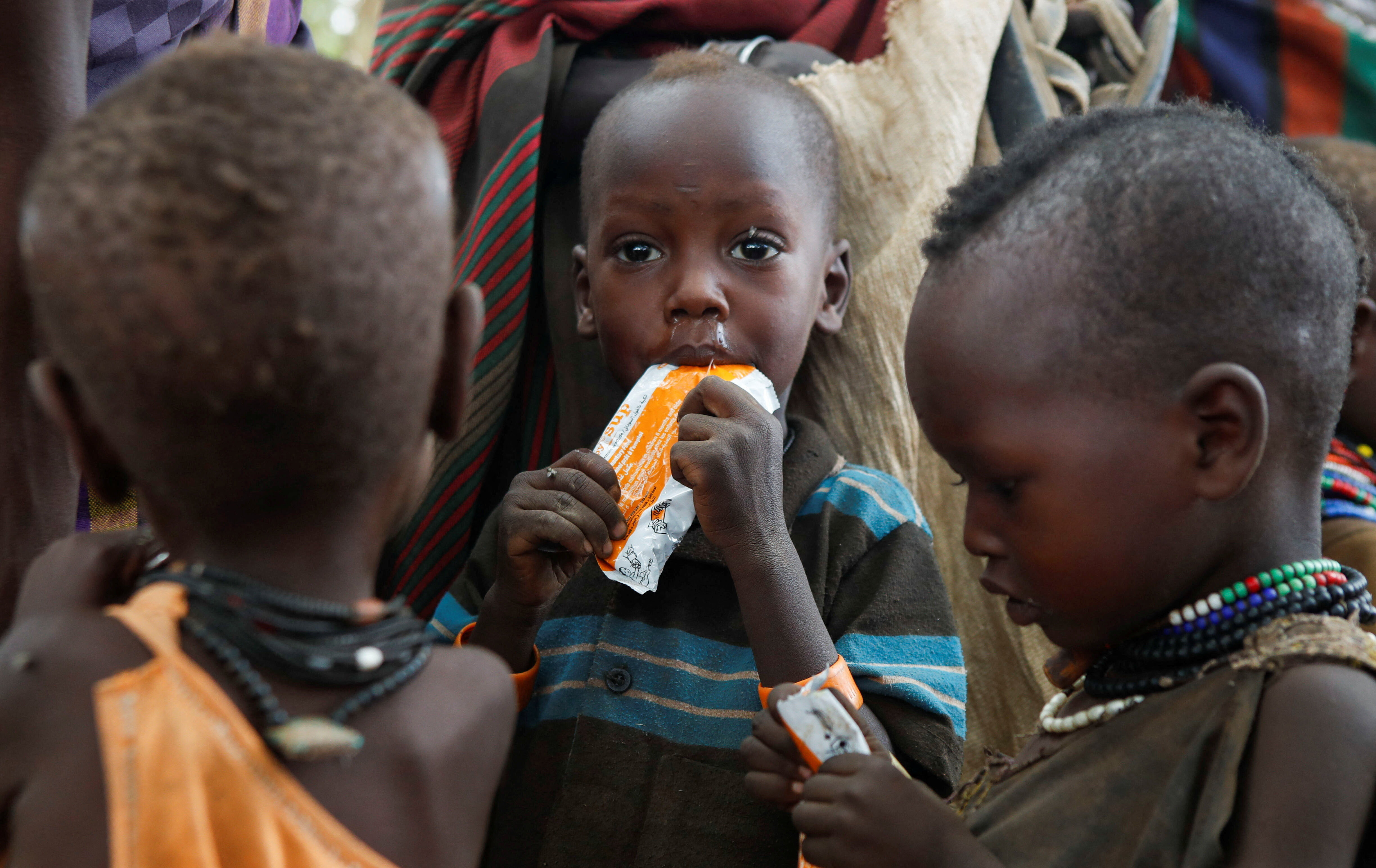
The game Two Truths and a Lie mirrors how debates on humanitarian aid often unfold. Image: Reuters/Monicah Mwangi
- The game Two Truths and a Lie illustrates how differently people can read the same facts – with perspective shaping everything.
- This mirrors how debates over humanitarian aid often unfold, as what may be seen as the way forward to one person may appear naive to another.
- The mismatches between different stakeholders are what will shape the future architecture of aid – not only the availability of funding.
I’ve used the classic icebreaker ‘Two Truths and a Lie’ countless times with senior leaders. It never fails to illustrate how differently we read the same facts. What sounds like an obvious lie to one person can feel like an undeniable truth to another. Perspective shapes everything.
In the game, you share two true statements and one false and the group guesses the lie. The trick is that the false statement sounds plausible, and the truths often sound improbable.
This is more than a game here. It mirrors how debates on humanitarian aid often unfold. What some see as the only way forward, others see as naïve or dangerous. And what feels like common sense in Geneva or New York might look very different in Bamako, Beirut or Bogotá. Truth is as much about collective belief as about facts.
So, let’s play.
The three statements on humanitarian aid
Statement 1
Giving local and national actors more authority to make their own decisions will speed up aid while making it more efficient, relevant and trusted.
Statement 2
Using market tools and funding tied to results will shape the next wave of humanitarian aid, cutting long-term reliance on government grants.
Statement 3
A mixture of partnerships across sectors, digital innovation and improved coordination mechanisms will help transform the humanitarian sector.
Each of the above statements is plausible. Each reflects different assumptions about power, resources and trust in the humanitarian system. Which you pick as “the lie” reveals what kind of future you think is possible.
1. The localization dilemma
For many, Statement 1 is not just true but long overdue. Localization has been promised for decades, yet international actors still dominate.
But risks are real. Donor compliance, fiduciary oversight and political instability complicate how money flows. Those who dismiss this as a lie often doubt whether large-scale shifts in power will ever materialize.
2. The promise and peril of innovative finance
Statement 2 divides opinion. Advocates point to insurance schemes, cash transfers, blended finance and programmes that only get paid if they succeed, as early wins.
Yet sceptics caution against overstating these examples. The flow of viable projects is still limited, markets often fail in fragile contexts, and ethical concerns persist about profiting from a crisis. For some, this is the obvious lie; for others, it is the clearest pathway to long-term impact.
3. The coordination conundrum
Statement 3 highlights partnerships, digital tools and new incentives. Tools like AI maps of crisis zones, early-release funding pilots, and digital cash transfers are already changing how aid works.
But ‘coordination fatigue’ is real. If you mark this as a lie, you may believe politics between big organizations will always get in the way of working together. If you see it as true, you may be betting on a tipping point where technology and new incentives finally change the game.
Different visions of how humanitarian aid should evolve
None of these statements is neutral. Each implies different reallocations of power, resources and trust. Each highlights tensions between global aspirations and local realities. Each reflects a different vision of who should lead, who should finance and how the humanitarian “system” should evolve.
The real lesson of Two Truths and a Lie is not finding the “false” statement but understanding why people disagree.
The mismatches between donors and implementers, between headquarters and field offices, between international agencies and local responders, are what will shape the future architecture of aid – not only the availability of funding.
Don't miss any update on this topic
Create a free account and access your personalized content collection with our latest publications and analyses.
License and Republishing
World Economic Forum articles may be republished in accordance with the Creative Commons Attribution-NonCommercial-NoDerivatives 4.0 International Public License, and in accordance with our Terms of Use.
The views expressed in this article are those of the author alone and not the World Economic Forum.
Stay up to date:
Humanitarian Action
Related topics:


Forum Stories newsletter
Bringing you weekly curated insights and analysis on the global issues that matter.
More on Sustainable DevelopmentSee all

Alastair Green, Ishaan Nangia and Nicola Sandri
March 23, 2026