Harnessing the energy nexus for good needs systems leadership
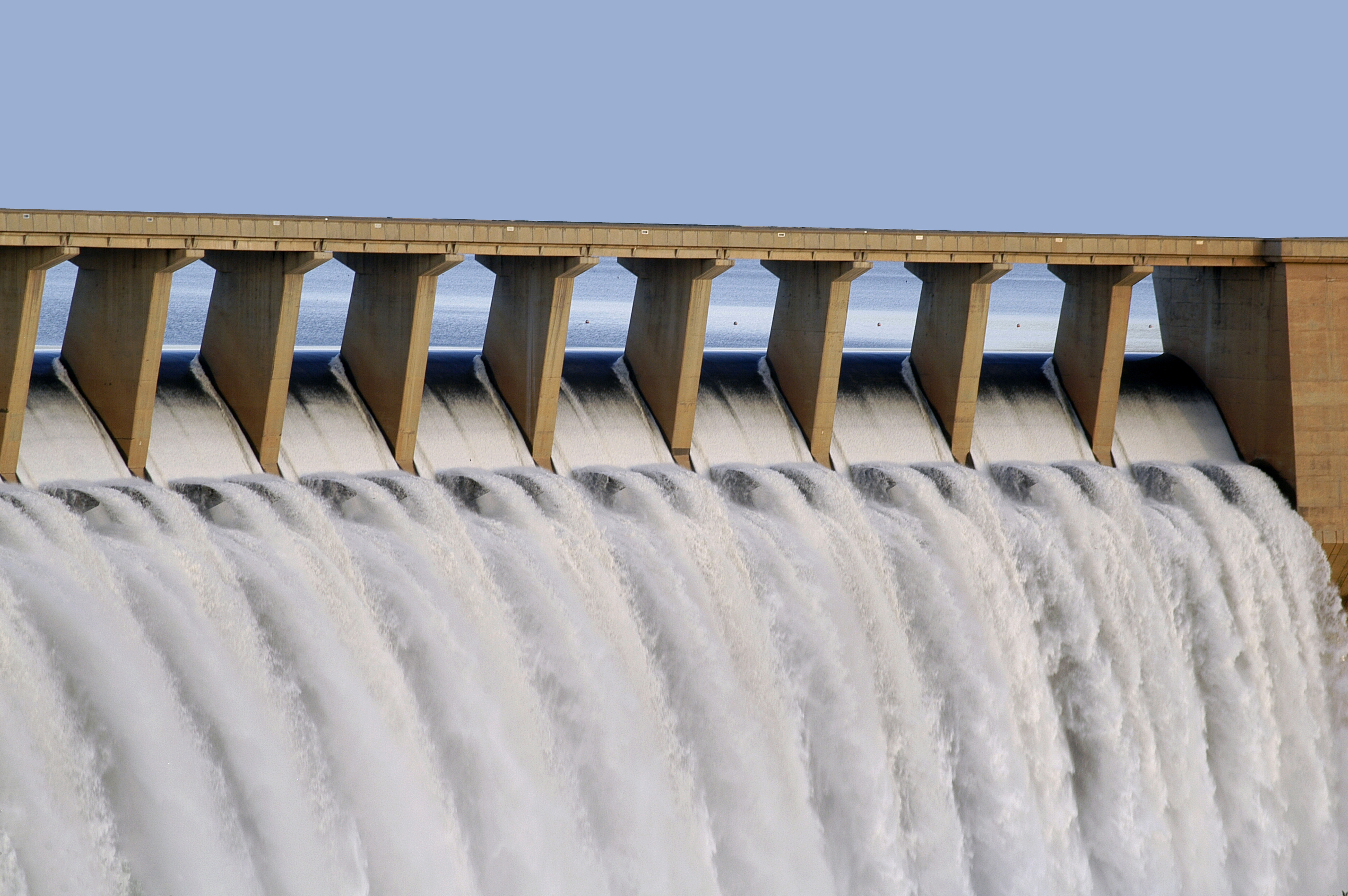
Systems leadership is perfectly placed to deliver on the opportunities - and avoid the pitfalls - of the energy nexus. Image: Shutterstock
Tafadzwanashe Mabhaudhi
Professor of Climate Change, Food Systems, and Health, London School of Hygiene and Tropical Medicine- The energy nexus articulates how many sectors and different parts of our lives the energy industry touches.
- Understanding the energy nexus is crucial for delivering a just and sustainable climate transition.
- Adopting a systems leadership approach is crucial for delivering an energy transition that accounts for the complexity of the global energy system.
Modern challenges, such as the triple planetary crisis, are closely interconnected. Driven by unsustainable practices, challenges like climate change, biodiversity loss and pollution intensify each other and generate compounding impacts on both people and the planet.
For example, the extraction of fossil fuels pollutes the air, water and land. Burning them for energy generation releases greenhouse gases that drive global warming and climate change, which destabilize ecosystems and livelihoods, and accelerate biodiversity loss. The combination of these factors has significant effects on human health and well-being, and threatens to undermine sustainable development efforts.
Likewise, sectors such as water, energy and food, as well as the strategic natural resources that underpin their security, are interconnected and interdependent in a nexus. Decisions and management practices within one sector inevitably generate a ripple effect across the others, producing either beneficial synergies or adverse trade-offs.
Defining the energy nexus
The energy nexus expresses the interactions, interconnections and interdependences between energy and other sectors and resources such as water, food, environment and health. The energy nexus accentuates the centrality of energy as an enabler and driver of resource security, climate action and sustainable development.
In the energy nexus, the tentacles of energy extend beyond water and food/agriculture to include the environment and human health, among others. For example, energy generation contributes to greenhouse gas emissions, while the type of energy affects air quality, human health and mortality.
Achieving SDG7 on affordable and clean energy affects the achievement of almost all SDGs, including those related to food, water, human health, climate change and land.
As an integrated approach, the energy nexus seeks to understand the interconnections between energy and other resources and sectors. It should inform synergies, minimize trade-offs and harmonize actions to enhance resource security. The goal is economically efficient, socially equitable and environmentally sustainable development.
Harnessing the energy nexus for good
The interconnections between climate change, pollution and food security hold potential not just for negative feedback loops, but also for positive change in one area to spread to others.
Deployment of renewable energy solutions, both centralized and decentralized, improves not only energy supply but also access to clean cooking, heating and lighting for improved air quality and human health.
Replacing fossil-based energy with renewable energy in the energy mix reduces greenhouse gas emissions, which is essential for climate action and environmental protection.
Productive appliances powered by renewable energy enhance water access and agricultural productivity, reducing food losses and waste while generating income among smallholder farmers in the Global South.
This approach is paying off real time in South Africa. Over about a decade, a large-scale plan to build out renewable energy capacity has also increased the share of renewable electricity in the total electricity output, created employment opportunities, bolstered socioeconomic development, helped enterprise development, upped wealth creation, helped to offset carbon dioxide emissions and led to water savings.
This is all good news – but a balance must be struck. Pushing too far in one way can have knock-on effects in the wider system.
Renewable energy development can generate competition for land resources and often entails high maintenance costs to ensure efficient operation, for example. The adoption of energy-efficient technologies or appliances may be financially unfeasible, especially for smallholder farmers with limited economic capacity.
Thus, a just energy transition framework should be considered to balance objectives, priorities and interests between people’s jobs and livelihoods, planetary health and general prosperity.
An integrated nexus approach to energy interventions necessitates understanding interconnections and interdependences for creating and strengthening synergies, and minimizing trade-offs such as intensive groundwater use and groundwater depletion that may arise from electrification, energy subsidies and solar water pumps. Leaders must understand these opportunities and tensions.
The problem is, right now, leadership remains in silos. Institutions are usually structured in a functional and sectoral manner, and too often develop incoherent policies that are implemented through unaligned strategies that miss cross-sectoral co-benefits. This is evidenced by persistent resource insecurity and unsatisfactory progress in achieving SDGs.
This calls for systems leadership in the energy sector and beyond to secure resources and advance sustainable development for all through integrated approaches such as nexus planning.
How the Forum helps leaders navigate the transition of energy and materials systems
Navigating the energy nexus with systems leadership
Compared to traditional leadership, systems leadership entails an individual or organization seeking to enact systems-level change by combining collaborative leadership, coalition-building and systems insight that provokes innovation and action.
Systems leadership brings diverse institutions to the table and applies holistic planning, policymaking and implementation towards sectoral alignment, coherence, harmonization and reinforcement. It does this through existing structures such as inter-ministerial, agency and departmental committees, commissions and task forces, as well as activities such as policy dialogues.
Collaboration across disciplines is critical for creating balances between climate action and biodiversity protection, and between people, planet and prosperity.
That’s why, when it comes to energy, leaders must unite diverse actors from academia, policy-makers, decision-makers, practitioners and society to bridge the persistent science-policy-implementation gap. Such widening of participation at the science-policy-practice interface creates collective ownership and builds trust and consensus. In this way, researchers will provide relevant scientific and empirical evidence that responds to governance and practice needs and address pressing challenges.
Multistakeholder platforms and forums should include communities and marginalized stakeholders to cater for their interests and priorities, for example in planning for a people-centred just energy transition that considers human rights, justice and equity in leaving no one behind.
Applying this kind of leadership to the energy transition can help seize advantages that a siloed approach may not. But it requires a new set of skills, too.
Systems integration, systems thinking and boundary spanning are all core skills for leaders. Academic institutions must be a part of the capacity building across these skills, and should be supported by financial resources from international organisations, including development banks.
This is necessary for shaping leaders who are willing and ready to cross boundaries, working with government, international organizations and the private sector.
Don't miss any update on this topic
Create a free account and access your personalized content collection with our latest publications and analyses.
License and Republishing
World Economic Forum articles may be republished in accordance with the Creative Commons Attribution-NonCommercial-NoDerivatives 4.0 International Public License, and in accordance with our Terms of Use.
The views expressed in this article are those of the author alone and not the World Economic Forum.
Stay up to date:
Just Transition


Forum Stories newsletter
Bringing you weekly curated insights and analysis on the global issues that matter.