Nobel honours discovery of regulatory T cells, and other health stories

The laureates identified regulatory T cells, known as the immune system’s “security guards”, which monitor other immune cells and ensure that the body defends against infections without harming itself. Image: TT News/Claudio Bresciani/Reuters
Shyam Bishen
Head, Centre for Health and Healthcare; Member of the Executive Committee, World Economic Forum- This global round-up brings you health stories from the past fortnight.
- Top health news: Nobel win for immune system breakthrough; COVID-19 cases on the rise; Smoking down but tobacco addiction persists worldwide.
1. Nobel Prize for Medicine 2025 goes to immune system breakthrough
The 2025 Nobel Prize in Physiology or Medicine has been awarded to Mary E. Brunkow, Fred Ramsdell and Shimon Sakaguchi for their discoveries on peripheral immune tolerance, the mechanism that prevents the immune system from attacking the body’s own tissues.
The laureates identified regulatory T cells, known as the immune system’s “security guards”, which monitor other immune cells and ensure that the body defends against infections without harming itself. Beginning in 1995, their work has opened a new field of research and is guiding the development of treatments for autoimmune diseases, cancer and improved organ transplant outcomes.
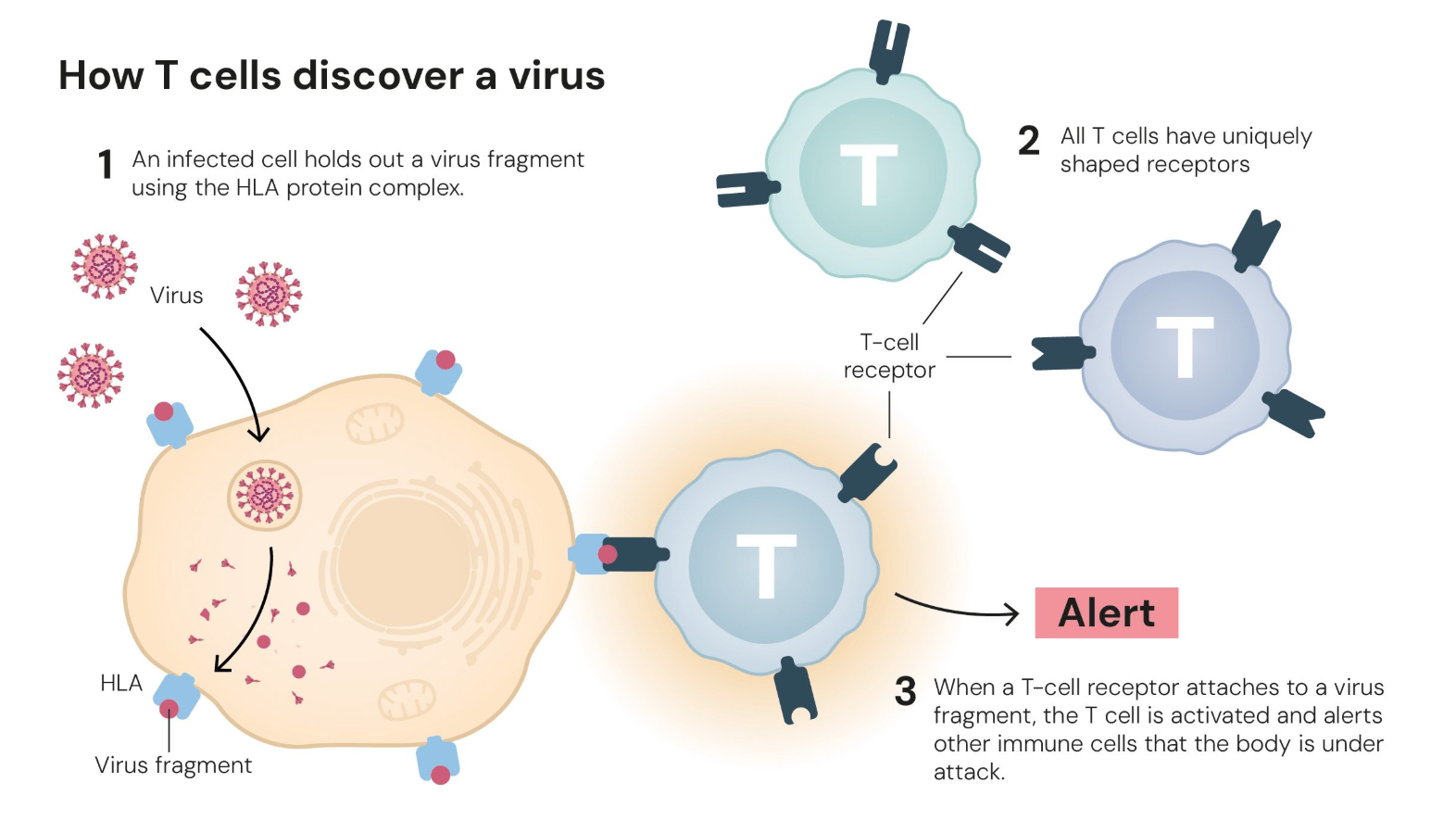
Olle Kämpe, chair of the Nobel Committee, said the discoveries “have been decisive for our understanding of how the immune system functions and why we do not all develop serious autoimmune diseases”.
The prize, totalling 11 million Swedish kronor ($1.2 million), will be shared equally among the three scientists.
2. COVID-19 infections begin to climb as new variants take hold globally
COVID-19 cases are rising once again across the UK and other regions as temperatures drop - here's what you need to know about the latest variants.
XFG (Stratus) and NB.1.8.1 (Nimbus) are now the most common strains circulating in the UK, the BBC reports. These variants do not appear to cause more severe illness than previous strains, according to experts, though small changes in the virus may make infections slightly more likely.
Some people report a hoarse voice or a “razor blade” sore throat, but as with previous variants, common symptoms such as headache, cough, runny nose and exhaustion can make it hard to distinguish from a cold or flu, they say.
Rates are increasing, especially among the very young and the elderly, and hospital admissions linked to COVID-19 are also on the rise. Health authorities advise anyone feeling unwell to stay home, avoid contact with vulnerable people and wear a face covering if leaving the house.
This trend is appearing globally, with both highly transmissible variants driving up cases, the latest data from the World Health Organization shows. Some regions, including Europe and the Americas, which are entering the season for respiratory illness, have reported case rises of over 10%.
3. News in brief: Health stories from around the world
Tobacco decline masks enduring addiction crisis: Global smoking rates continue to drop, but tobacco and nicotine addiction remain a major health threat, according to a new World Health Organization (WHO) report. The number of tobacco users has fallen from 1.38 billion in 2000 to 1.2 billion in 2024, yet one in five adults worldwide still uses tobacco. Here are the report's key stats:
- Global tobacco use has dropped 27% since 2010, preventing millions of deaths.
- E-cigarette use is rising sharply, with over 100 million users, including 15 million adolescents.
- Women are quitting faster than men, reaching global reduction goals five years early.
- Men still make up 80% of users, with progress too slow to meet 2025 targets.
- WHO urges governments to tighten tobacco and nicotine regulation, raise taxes, ban advertising and expand quitting support.
Gavi sets record for lives saved through vaccines: Immunization programmes in lower-income countries supported by Gavi, the Vaccine Alliance, saved a record 1.7 million lives in 2024 – 400,000 more than in 2023, according to its latest Annual Progress Report. The rollout of malaria vaccines across 23 African countries and gains in conflict-affected regions drove the rise. Vaccination also generated nearly $20 billion in economic benefits last year, bringing total returns since 2000 to $280 billion.
Japan sees record hospitalizations for heatstroke: More than 100,000 people were hospitalized for heatstroke in Japan between 1 May and early October as the country experienced its hottest summer on record. Authorities have urged stronger public health protections, including cooling centres and workplace safety measures, as climate change continues to intensify heat waves, says the Japan Times.
US drugmakers move on pricing and manufacturing: Pfizer has agreed to lower prescription drug prices in the Medicaid programme to match prices in other developed countries, the first such deal with the Trump administration, Reuters reports. The company will also offer similar pricing on new drugs in the US, with other drugmakers expected to follow. Meanwhile, Eli Lilly plans to invest over $1 billion in India to expand manufacturing of key medicines, including treatments for diabetes, cancer and Alzheimer’s, aiming to strengthen global supply and access.
Americas at risk of losing measles-free status: Measles is spreading in Canada, Mexico and the US, threatening the region’s measles-free designation. Countries must eliminate outbreaks within 12 months to retain the status, with Canada’s deadline at the end of this month.
Child brain development linked to societal inequality: A study of over 10,000 US children found that growing up in more unequal states affects brain development and mental health, regardless of family wealth, the Guardian reports. Researchers from King’s College London, Harvard and the University of York measured inequality across states, noting greater effects in New York, California, Connecticut, and Florida.
How the Forum helps leaders strengthen health systems through collaboration
4. More on health from Forum Stories
Reimagining cancer care for women in Kenya: Breast and cervical cancer are taking a huge toll on women in the east African country and the government there has set an ambitious goal to reduce mortality from these cancers by one-third by 2028. Helping them in this endeavour is the Afya Dada Project, a Forum collaboration which aims to improve the prevention and early detection of breast and cervical cancer by decentralizing cancer services in Kenya.
World-first robotic heart transplant: Surgeons in Saudi Arabia used fully robotic surgery to give a 16-year-old boy a new heart – no chest opening, less pain and faster recovery. Learn how a Riyadh hospital is now pioneering robotic liver transplants, heart pump implants, and other digital health innovations to make surgery safer and more accessible worldwide:
Japan’s exercise habits show the power of movement: Despite rising sedentary time, more than half of Japanese adults play sports weekly, boosting healthy ageing, workplace productivity and community resilience. Naoko Tochibayashi, the Forum's Communications Lead for Japan, highlights how long-standing practices like radio taiso, school sports festivals and Sports Day contribute to physical and mental wellbeing, even as remote work reduces daily steps.
Is AI leaving billions behind in healthcare? Most AI health systems are trained on data from high-income countries, meaning nearly 5 billion people in low- and middle-income countries risk misdiagnosis or exclusion. Experts warn that diverse global datasets, local digital infrastructure, and fair governance are essential to ensure AI truly narrows – rather than widens – global health inequalities.
License and Republishing
World Economic Forum articles may be republished in accordance with the Creative Commons Attribution-NonCommercial-NoDerivatives 4.0 International Public License, and in accordance with our Terms of Use.
The views expressed in this article are those of the author alone and not the World Economic Forum.

Forum Stories newsletter
Bringing you weekly curated insights and analysis on the global issues that matter.
More on Health and Healthcare SystemsSee all

Hervé Balzano
April 13, 2026


