The future of health is built with patients, not for them
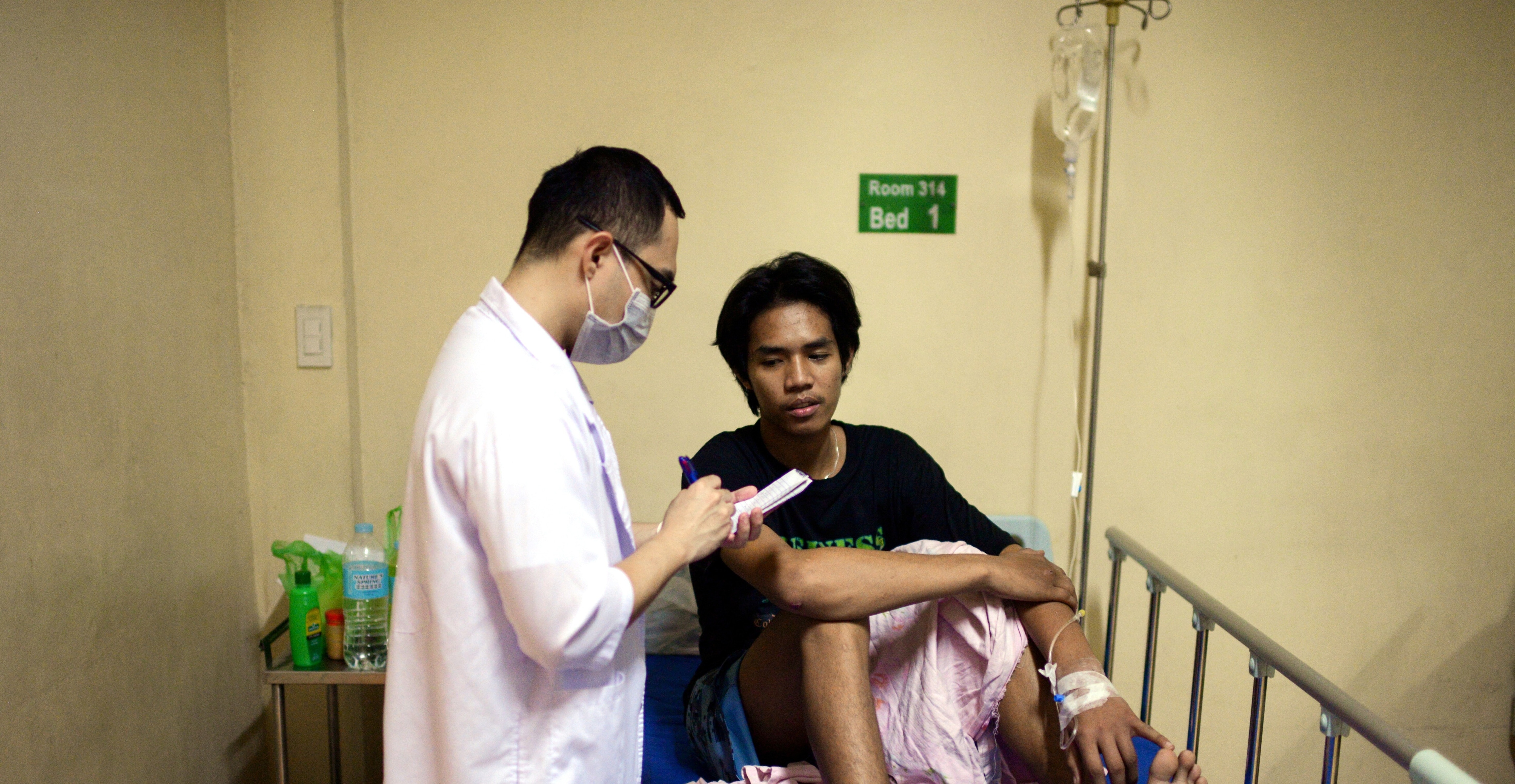
Patient-centred healthcare is crucial in developing economies. Image: REUTERS/Eloisa Lopez
- Almost two-thirds of patients feel confident and informed in their healthcare decisions
- However, in the Asia-Pacific, Middle East and African regions, patients still often struggle to guide their own care.
- Delivering patient-centred healthcare in these regions is essential for better outcomes.
Across much of history, patients often have no agency over their treatment, relying on decisions made by doctors and on government policies to guide the treatment journey. Socioeconomic barriers and systemic inequities in regions like Asia-Pacific, the Middle East and Africa show that the journey towards inclusive and patient-centred health systems still has ways to go. Amid ageing populations, rising rates of non-communicable diseases and mounting strains on healthcare systems, the need for change is clear.
Patients are eager to play an active role, in their personal care and in shaping the health system. In a recent Edelman Trust Barometer survey of 15,000 people, almost two-thirds reported feeling confident, informed and in control of their health decisions.
The boom in artificial intelligence (AI), social media and digital tools is also altering the way many – particularly tech-enabled youths – are approaching their health, with two in three young people readily engaging with health information on social media or other independent platforms.
Additionally, telemedicine and digitalization are rapidly transforming healthcare and the patient journey. These shifts present an incredible opportunity to co-create personalized care and health systems with those who directly benefit from them.
We also know that co-creation in healthcare improves patient satisfaction, enhances population health outcomes and strengthens public trust. Global frameworks such as the WHO’s Integrated People-Centred Health Services (IPCHS) already underscore their importance.
Yet, moving from consultation to co-design requires a fundamental shift in mindsets and systems that have long been top-down and led mainly by healthcare providers.
Keeping up with the pace of change in Asia-Pacific, Middle East and Africa
The Asia-Pacific, Middle East and African regions still face challenges in meeting patients where they are, and in building future-ready systems that truly place patients at the centre.
Many health systems across these regions still lack formalized processes for incorporating patient perspectives, even though patient engagement is increasingly acknowledged in areas like clinical trial design, care delivery and health technology assessments. Embedding the patient voice is not a peripheral consideration, but a critical component of modern healthcare infrastructure.
Patient perspectives bring lived experience, cultural insight and real-world relevance that no clinical metric can replicate. This is especially vital in the Asia-Pacific, Middle East and Africa, where vast diversity and disparities in access, socioeconomic realities and health literacy demand inclusive approaches.
Yet patient-centred care remains underdeveloped in these regions, often constrained by cultural norms such as autonomy influenced by gender, deference to medical authority and more.
A WHO policy brief covering 34 countries in South Asia, East Asia and the Pacific found inadequate research investments and low prioritization for patient-centred primary healthcare (PHC) policies. Stakeholder consultations identified limited engagement with health sector actors as key barriers. More must be done to shift both mindsets and infrastructure to ensure patient perspectives become a core pillar of health system design.
Regional successes are there to be built on
While frameworks in the West, such as the UK-based Experience-Based Co-Design, have demonstrated success, we can be optimistic about scalable models emerging from elsewhere, too:
Singapore: The Consumer Engagement and Education team involves patients’ caregivers in the Agency for Care Effectiveness’s work, enabling participation in Health Technology Assessment processes.
Saudi Arabia: The Ministry of Health’s Patient Experience Measurement Program engages patients and families through surveys and using the data for quality improvement of health services.
Australia: Co-design programmes move beyond tokenism to authentic partnership.
These represent important strides in our collective effort to ensure that patient voices are meaningfully embedded into healthcare decision-making as a source of insight, accountability and innovation. To truly meet the evolving needs of our communities, healthcare systems must be designed and operated with a deep understanding of the local realities people face, including cultural, economic and social contexts.
Making healthcare personal
Healthcare transformation takes time, especially across diverse contexts and varying levels of healthcare system maturity. Initiatives like the Alliance & Partnerships for Patient Innovation & Solutions (APPIS) matter because they elevate patient voices and foster cross-sector collaboration to overcome barriers to access.
APPIS enables cross-border learning, helping groups from different geographies share insights and scale successful models. Through long-term commitment by individuals and organizations from across the healthcare ecosystem, we can move beyond symbolic gestures to ensuring co-design is a structural priority to drive meaningful change for patients.
Co-design sustainable healthcare systems
The future of healthcare depends on our ability to move from consultation to true collaboration. Systems that endure will welcome patients not just as voices to be heard or stakeholders to be consulted, but as true partners – co-creators driving impact to improve outcomes.
To build health systems that are fit for the future, we must start by listening to those who live within them. This means:
- Institutionalizing patient involvement across the healthcare journey, ensuring that patient perspectives are embedded from policy development and research to service design, delivery and evaluation.
- Supporting collaboration and platforms that enable regional and local collaboration and innovation with patients at the centre.
- Investing in evidence-based frameworks for patient engagement to generate measurable insights, build institutional credibility and demonstrate the tangible impact of embedding patient perspectives throughout the healthcare journey.
Embedding patient perspectives is a structural imperative for improving the quality, relevance and sustainability of healthcare. Patients are not passive recipients of care; they are experts in their own lived experience. Their insights must shape everything from policy and service design to system reform.
Meaningful patient involvement leads to better outcomes, more efficient resource use and stronger public trust. Health systems in Asia-Pacific, the Middle East and Africa have the opportunity to carve their own path, one that reflects the unique cultural, social and economic contexts of their populations. By embedding patient perspectives at every level, these regions can lead the way in building inclusive, resilient and future-ready healthcare systems.
Don't miss any update on this topic
Create a free account and access your personalized content collection with our latest publications and analyses.
License and Republishing
World Economic Forum articles may be republished in accordance with the Creative Commons Attribution-NonCommercial-NoDerivatives 4.0 International Public License, and in accordance with our Terms of Use.
The views expressed in this article are those of the author alone and not the World Economic Forum.
Stay up to date:
Artificial Intelligence-Facilitated Healthcare

Forum Stories newsletter
Bringing you weekly curated insights and analysis on the global issues that matter.
More on Health and Healthcare SystemsSee all

Shyam Bishen
April 9, 2026


