Protecting Europe's green future: Why climate resilience in energy infrastructure can't wait
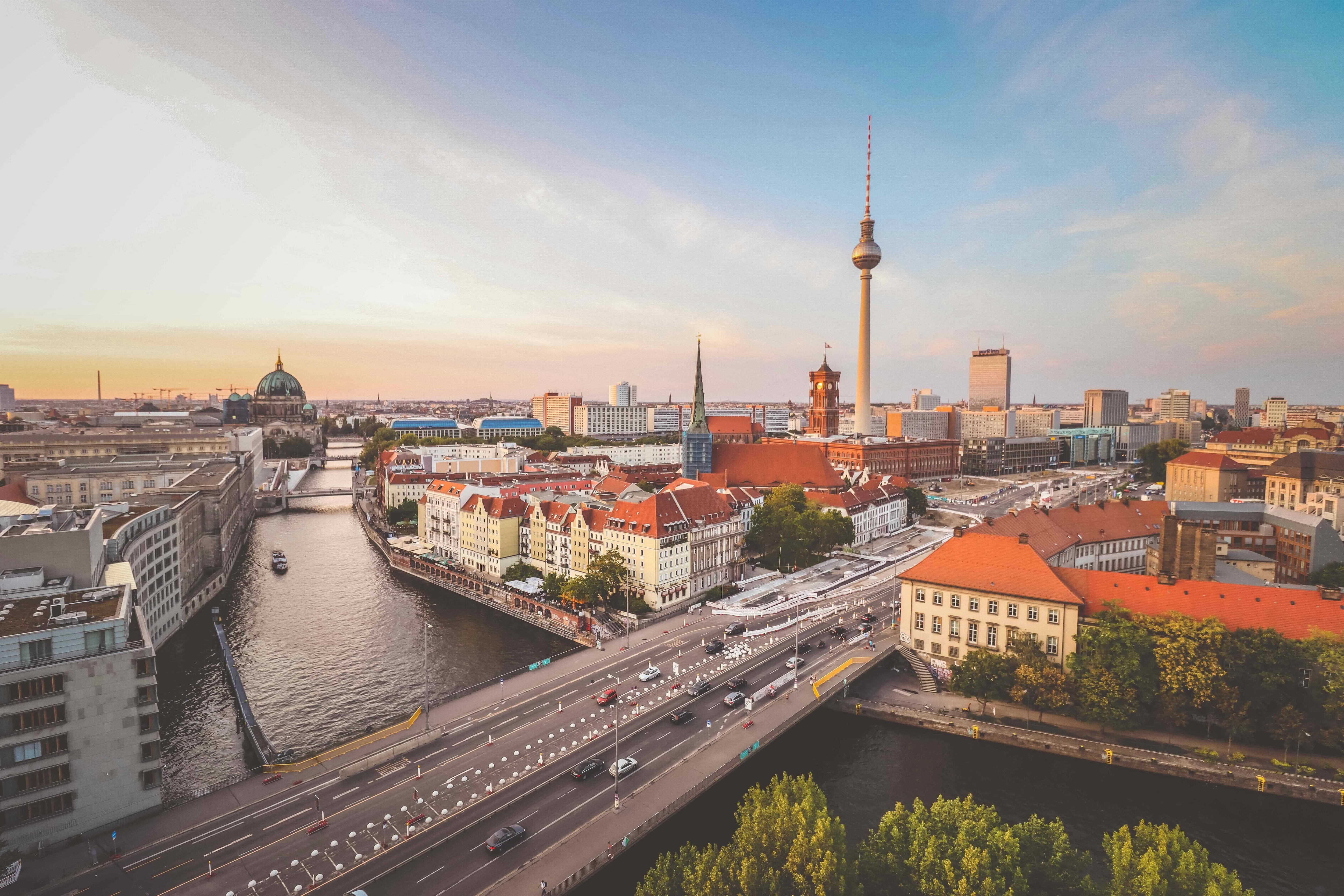
Europe’s clean energy transition is accelerating, but climate risks threaten its foundations. Image: Florian Wehde/Unsplash
- Europe’s renewable energy infrastructure is increasingly exposed to extreme climate risks.
- Resilience measures are affordable, proven and critical to unlocking long-term investment.
- Policy, insurance strategies and private capital must align to build climate-ready energy systems.
Europe stands at a critical juncture. Achieving net zero emissions requires a rapid and extensive transition to clean energy. At the same time, powering the continent with homegrown, renewable sources will strengthen supply security. As European Commission President Ursula von der Leyen recently highlighted, we are entering a new age of renewable abundance – a future shaped by our commitment to wind, solar and hydropower.
Yet, as we accelerate this vital shift, we face a paradox: the very infrastructure designed to deliver our low-carbon future is increasingly vulnerable to the escalating climate risks it aims to mitigate. We must safeguard our energy transition by deploying resilience solutions to protect that infrastructure and support investment.
The good news is that technical solutions are available and cost efficient. A more conducive policy framework – with resilience related incentives for companies and climate adaptation embedded in planning – would allow their broader and systematic implementation.
Action on climate resilience needs to happen now
Due to evolving climate patterns, extreme weather events are becoming more extreme and severe. Recent Zurich research, which analysed over 25,000 energy generation and storage facilities across major European countries, demonstrated that renewable assets, which are set to become increasingly crucial to the region’s low-carbon future, are highly vulnerable to these extreme weather events. 83% of operating renewable capacity and 92% of storage assets are at high-risk. Of the existing renewable capacity, almost half (46%) are at critical risk.
Without urgent action, Europe's energy transition could stall. Inaction could result in damages exceeding €270 billion by 2050. On tops of this, supply disruptions will provoke security, economic and social implications.
The challenge is compounded by the fact that approximately 60% of climate-related losses globally – 75% in Europe – are uninsured. Companies cannot afford to simply rely on insurers to "build back better" after disaster strikes. Resilience must be embedded from the outset, ensuring that new infrastructure is designed to withstand future climate shocks. With energy generation capacity from renewable assets set to increase by almost two-thirds (62%) by 2030, there is an opportunity to make the clean energy transition “resilient by design”.
Securing a resilient energy system for Europe’s future
Understanding risk is the first step to building resilience. Insurers can play an important role by using their advanced modelling to map evolving risks for specific assets over time – as we have shown in our research.
The second step is taking action to prevent and minimize risks before perils hit. Strengthening the resilience of renewable energy infrastructure can greatly reduce expected losses, keep insurance available and encourages investment in new and existing assets. Only infrastructure designed to withstand future risks will attract the long-term capital needed to power our future. Once more, insurers can help by deploying their risk management expertise to direct policymakers and companies towards the most effective resilience measures in specific contexts, from elevated equipment to reinforced structures of wind farms or solar parks.
The business case for resilience is clear: a proactive spending of just 2-5% of a capital expenditure budget can reduce expected losses by up to 50%. Insurers can support companies in measuring the financial benefits of risk reduction measures. This information is crucial for business planning, to guide decisions on capital expenditures aligned with risk tolerance.
The path forward: a collaborative imperative
To deliver the resilient energy infrastructure that Europe needs to pursue a fast and steady transition, decisive action is required. We must:
Improve the climate resilience of existing assets. For example, building solar farms on stilts in flood-prone areas or designing wind turbines to withstand increased storm intensity will be no longer optional, but essential. The uptake of these measures by corporates should be incentivized by national governments and European authorities. Policymakers also have a major role to play in creating adequate conditions for innovative technologies to emerge, become commercially viable and be scaled up.
Adopt climate stress testing for new generation and storage assets. With an expected 36% growth in European electricity generated from renewable energy by 2030, we must ensure new infrastructure are built to last in a changing climate. Every policy and every project should be stress-tested against scenarios with a 3.5°-4° temperature increase, considering that Europe is the fastest warming continent in the world.
Embed resilience in planning and design processes. Governments must champion resilience as a core principle in the rollout of all new energy infrastructure, for instance by relying on climate risk modelling when taking location decisions.
Unlock investment in resilience measures. Policymakers must explore and leverage blended finance solutions to crowd in private capital and collaborate with financial institutions and energy companies to create a pipeline of investable resilience assets. Insurance can be decisive to improve the risk profile of projects and unlock loans or investments.
Now is the moment to act. Together, we can build an energy system that not only delivers on Europe’s climate goals but also safeguards economic growth and prosperity for generations to come.
Don't miss any update on this topic
Create a free account and access your personalized content collection with our latest publications and analyses.
License and Republishing
World Economic Forum articles may be republished in accordance with the Creative Commons Attribution-NonCommercial-NoDerivatives 4.0 International Public License, and in accordance with our Terms of Use.
The views expressed in this article are those of the author alone and not the World Economic Forum.
Stay up to date:
Energy Transition


Forum Stories newsletter
Bringing you weekly curated insights and analysis on the global issues that matter.